
Theta partners with XYO to verify AI agent workloads on EdgeCloud through blockchain technology
CommissionedDisclaimer: Press release commissioned by our commercial partners.
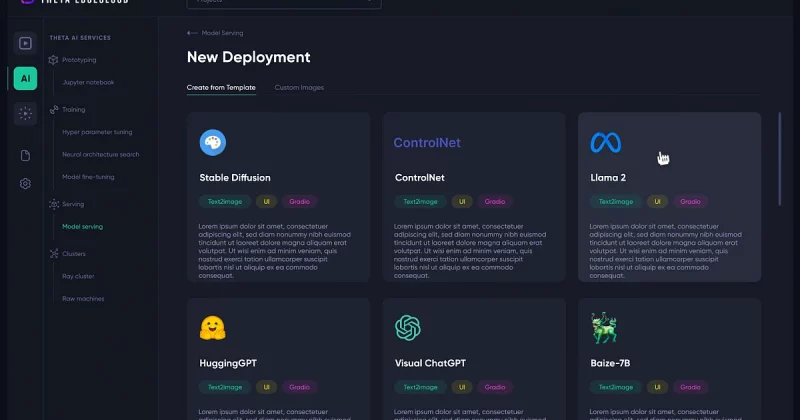
Theta and XYO have announced a partnership to build a blockchain-based verification layer for AI workloads running on Theta EdgeCloud. The system will provide independent, cryptographic proof that AI infrastructure is actually performing as advertised, covering metrics like uptime, latency, and throughput.
The partnership, announced on May 28, combines XYO’s decentralized data verification technology, specifically its Proof of Origin framework, with Theta’s hybrid cloud-edge AI platform. For industries where auditable records aren’t just nice to have but legally and operationally necessary, this could matter quite a bit.
Why verification matters when everyone’s running AI
According to Stanford research, 88% of organizations had adopted AI technologies by 2025. Of those adopters, 23% were actively working on scaling agentic AI systems, meaning nearly a quarter of AI-using companies are deploying autonomous agents that make decisions and take actions without constant human oversight.
Theta Labs CEO Mitch Liu and XYO co-founder Markus Levin have both emphasized the need to move from trust-based systems to ones grounded in verifiable outcomes. The target market includes sectors where AI deployment auditing isn’t optional. Sports and entertainment organizations already using Theta’s infrastructure, including clients like Olympique de Marseille and the Houston Rockets, represent the kind of enterprise customers that need clean paper trails for their tech stacks.
What each side brings to the table
Theta EdgeCloud launched on May 1, 2024, as a platform that blends Nvidia-managed GPUs, accessed through collaborations with Google Cloud and AWS, with a decentralized edge network. The platform represented a strategic pivot for Theta, which originally built its reputation in decentralized media streaming before shifting toward AI compute workloads.
The news moving money, markets, and the world—before your day starts.
Daily. Free. Join 34,000+ readers across crypto, finance, and policy.
Theta’s enterprise validator council includes Google, Samsung, and Binance. XYO, founded in 2018, built its reputation on Proof of Location and Proof of Origin capabilities. Applied to AI infrastructure monitoring, XYO’s technology can independently attest that performance metrics weren’t fabricated or manipulated after the fact.
The integration will embed XYO’s monitoring capabilities directly into real-time AI deployments on EdgeCloud, providing continuous, cryptographically secured attestations of how infrastructure is actually behaving.
What this means for investors and the broader market
For THETA and XYO token holders, the partnership represents a potential demand driver, but with important caveats. No pilot projects or technical milestones have been publicly disclosed yet. The announcement establishes intent, not execution. Traders should watch for follow-up announcements about integration timelines, specific enterprise deployments, and any on-chain activity that suggests the verification layer is actually being used in production.