
Nexo Earn with Nexo
Tron surpasses Solana with 4 million daily active users, powered by stablecoin dominance

Tron surpasses Solana with 4 million daily active users, powered by stablecoin dominance

The network Justin Sun built in 2017 is now processing nearly $20 billion in daily USDT transfers, quietly becoming crypto's most-used payments rail.

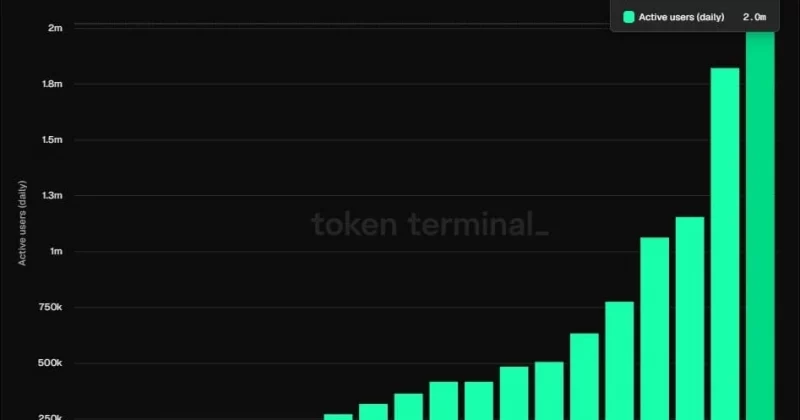
Tron has crossed 4 million daily active users, edging past Solana to claim the top spot among Layer-1 networks in what might be the least glamorous way possible: moving stablecoins.

While Solana has grabbed headlines with memecoins and NFT culture, Tron has been doing something decidedly less exciting but arguably more consequential. It’s become the default infrastructure for USDT transfers, particularly in emerging markets where cheap, fast cross-border payments aren’t a nice-to-have but a necessity.

The numbers behind Tron’s quiet takeover

According to Artemis analytics, Tron recorded approximately 4.35 million active addresses in a recent 24-hour snapshot. That same window saw nearly 13 million transactions processed on the network.

The lifetime figures are even more striking. Tron has amassed over 383 million total accounts and processed 14.1 billion transactions since its mainnet launched in 2018.

Advertisement

But the real story is stablecoins. The total supply of USDT on Tron exceeded $75 billion as of May 2025, representing more than half of the entire global USDT supply.

Daily USDT transfer volume on Tron averages nearly $20 billion. Over 1 million unique accounts engage in USDT transactions every single day.

The network’s user engagement has been remarkably consistent, regularly hovering between 3.8 million and 4.35 million active addresses. This isn’t a spike driven by a token launch or airdrop farming. It’s sustained, organic usage driven by people actually moving money.

Why stablecoins, and why Tron

Tron’s dominance in stablecoin transfers isn’t accidental. The network offers significantly lower transaction fees compared to Ethereum, which historically charged users anywhere from a few dollars to absurd amounts during congestion periods. For someone sending $200 in remittances from Dubai to Manila, paying $15 in gas fees isn’t just inconvenient. It’s a dealbreaker.

What this means for investors

Tron’s milestone forces a reassessment of how the market values Layer-1 networks. Solana commands a significantly higher market cap and cultural cachet, yet Tron is now matching or exceeding it on the metric that arguably matters most: how many people actually use the thing every day.

For TRX holders, the stablecoin thesis is compelling but comes with caveats. Tron’s revenue model benefits directly from transaction fees generated by USDT transfers. More users moving more stablecoins means more fees burned or distributed.

But concentration risk is equally real. When your entire value proposition depends on one stablecoin issuer, Tether, continuing to mint on your chain, you’re one strategic decision away from disruption.

There’s also the Justin Sun factor. Tron’s founder remains one of crypto’s most polarizing figures, and regulatory scrutiny around him and Tether has not exactly disappeared.

Disclosure: This article was edited by Editorial Team. For more information on how we create and review content, see our Editorial Policy.

Tron surpasses Solana with 4 million daily active users, powered by stablecoin dominance

Tron surpasses Solana with 4 million daily active users, powered by stablecoin dominance

The network Justin Sun built in 2017 is now processing nearly $20 billion in daily USDT transfers, quietly becoming crypto's most-used payments rail.

Tron has crossed 4 million daily active users, edging past Solana to claim the top spot among Layer-1 networks in what might be the least glamorous way possible: moving stablecoins.

While Solana has grabbed headlines with memecoins and NFT culture, Tron has been doing something decidedly less exciting but arguably more consequential. It’s become the default infrastructure for USDT transfers, particularly in emerging markets where cheap, fast cross-border payments aren’t a nice-to-have but a necessity.

The numbers behind Tron’s quiet takeover

According to Artemis analytics, Tron recorded approximately 4.35 million active addresses in a recent 24-hour snapshot. That same window saw nearly 13 million transactions processed on the network.

The lifetime figures are even more striking. Tron has amassed over 383 million total accounts and processed 14.1 billion transactions since its mainnet launched in 2018.

Advertisement

But the real story is stablecoins. The total supply of USDT on Tron exceeded $75 billion as of May 2025, representing more than half of the entire global USDT supply.

Daily USDT transfer volume on Tron averages nearly $20 billion. Over 1 million unique accounts engage in USDT transactions every single day.

The network’s user engagement has been remarkably consistent, regularly hovering between 3.8 million and 4.35 million active addresses. This isn’t a spike driven by a token launch or airdrop farming. It’s sustained, organic usage driven by people actually moving money.

Why stablecoins, and why Tron

Tron’s dominance in stablecoin transfers isn’t accidental. The network offers significantly lower transaction fees compared to Ethereum, which historically charged users anywhere from a few dollars to absurd amounts during congestion periods. For someone sending $200 in remittances from Dubai to Manila, paying $15 in gas fees isn’t just inconvenient. It’s a dealbreaker.

What this means for investors

Tron’s milestone forces a reassessment of how the market values Layer-1 networks. Solana commands a significantly higher market cap and cultural cachet, yet Tron is now matching or exceeding it on the metric that arguably matters most: how many people actually use the thing every day.

For TRX holders, the stablecoin thesis is compelling but comes with caveats. Tron’s revenue model benefits directly from transaction fees generated by USDT transfers. More users moving more stablecoins means more fees burned or distributed.

But concentration risk is equally real. When your entire value proposition depends on one stablecoin issuer, Tether, continuing to mint on your chain, you’re one strategic decision away from disruption.

There’s also the Justin Sun factor. Tron’s founder remains one of crypto’s most polarizing figures, and regulatory scrutiny around him and Tether has not exactly disappeared.

Disclosure: This article was edited by Editorial Team. For more information on how we create and review content, see our Editorial Policy.