
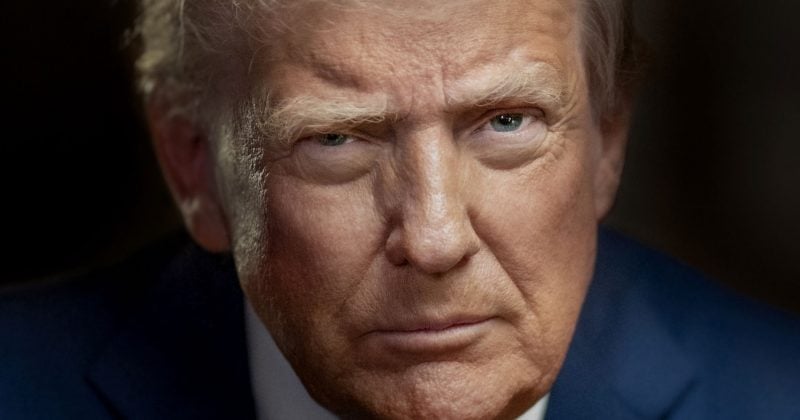
Trump cancels planned US strikes on Iran, maintains naval blockade until deal is signed
The president pulled back a military strike at the request of Gulf allies while keeping economic pressure on Tehran through the Strait of Hormuz blockade.
President Donald Trump announced the cancellation of planned US military strikes on Iran, saying the naval blockade choking off Iranian ports will stay in place until a final agreement is “certified and signed.”
The decision came at the request of key Gulf state allies currently engaged in mediating negotiations between Washington and Tehran.
What happened and why it matters
The US naval blockade of Iranian ports in the Strait of Hormuz began on April 13, 2026, after failed diplomatic negotiations in Islamabad. Since then, over a dozen vessels have been redirected or disabled as part of the enforcement effort.
The economic damage to Iran has been severe. Estimated daily losses to Iran’s oil revenue range from hundreds of millions to billions of dollars, depending on the calculation method.
On May 18, 2026, Trump canceled a military strike at the urging of Gulf allies who argued that bombing runs would undermine the fragile negotiating track.
Intermittent US strikes on Iranian targets have continued even as negotiations proceed.
Macro, rates, and crypto—what moved markets and what matters next.
Daily. Free. Join 34,000+ readers across crypto, finance, and policy.
The Strait of Hormuz, through which roughly a fifth of the world’s oil supply typically flows, remains effectively under US naval control.
Oil markets and the volatility premium
Brent crude prices have shown significant volatility since the blockade began, reacting to every headline about strikes, ceasefires, and negotiation updates.
The negotiations themselves have centered on demands related to reopening the Strait and providing sanctions relief to Tehran.
Crypto catches the shrapnel
Bitcoin and other major tokens have shown clear sensitivity to the US-Iran news cycle, swinging on escalation headlines and recovering on hints of progress.
The US Treasury has frozen approximately $344 million in Iranian digital assets tied to sanctions evasion. That figure represents one of the largest cryptocurrency seizures linked to a geopolitical conflict, and it signals that Washington views digital assets as a front in the economic war.
The freeze highlights a growing reality: sanctions compliance is becoming a crypto problem. Exchanges, DeFi protocols, and stablecoin issuers are all under increased scrutiny as regulators look for channels Iran and other sanctioned entities might use to circumvent the blockade’s economic effects.
What investors should be watching
The $344 million in frozen digital assets is likely the beginning, not the end, of crypto-related enforcement actions tied to the conflict. Investors holding tokens on exchanges that have faced compliance questions should consider the regulatory risk baked into their positions.