
Nexo Earn with Nexo
Trump cancels planned military strikes against Iran

https://time.com/article/2026/05/19/trump-us-iran-israel-war-gulf-states-attack-hormuz/

Trump cancels planned military strikes against Iran

Iran airspace closure by June

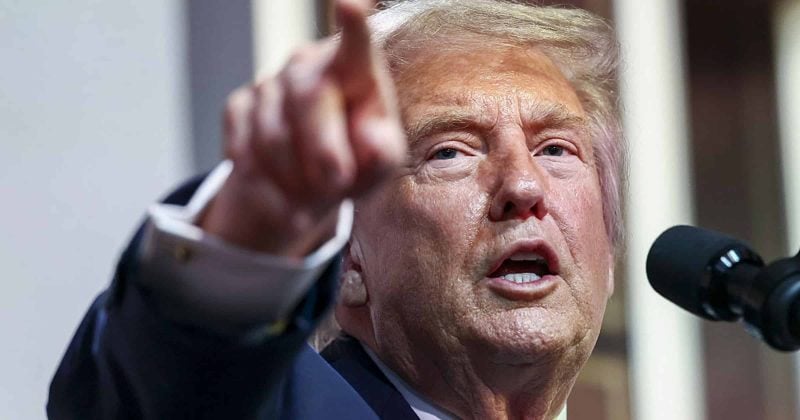
In a surprising move, President Donald Trump announced the cancellation of planned military strikes and bombings against Iran. The decision comes amid escalating tensions between the United States and Iran, with both countries previously engaged in active military exchanges. The planned U.S. strikes were reportedly targeting critical infrastructure in Iran, potentially impacting the country’s energy and power systems. This development appears to be a significant de-escalation in the ongoing military crisis, suggesting a temporary reduction in immediate conflict risk.

Advertisement

Key Takeaways

  • The cancellation appears to significantly reduce the likelihood of Iran closing its airspace imminently, as indicated by a sharp drop in the relevant market odds.
  • Market activity suggests increased confidence in the survival of the Iranian regime, as the immediate threat of U.S. military action has diminished.
  • The probability of the Iranian regime’s fall before 2027 has decreased, reflecting a lower perceived threat level to its stability.

What to Watch

Observers will be closely monitoring any official statements from both the U.S. and Iran for further indications of de-escalation or potential renewed hostilities. Key indicators include any new diplomatic engagements or public statements from Iran’s leadership that could confirm a sustained reduction in tensions. Additionally, changes in military readiness or troop movements by either country could provide further insights into the evolving situation. Markets appear responsive to these developments, which could influence probabilities in related prediction markets.

Get prediction market intelligence as a structured API feed. Early access waitlist.

Disclosure: This article was edited by Estefano Gomez. For more information on how we create and review content, see our Editorial Policy.

Trump cancels planned military strikes against Iran

Trump cancels planned military strikes against Iran

Iran airspace closure by June

https://time.com/article/2026/05/19/trump-us-iran-israel-war-gulf-states-attack-hormuz/

In a surprising move, President Donald Trump announced the cancellation of planned military strikes and bombings against Iran. The decision comes amid escalating tensions between the United States and Iran, with both countries previously engaged in active military exchanges. The planned U.S. strikes were reportedly targeting critical infrastructure in Iran, potentially impacting the country’s energy and power systems. This development appears to be a significant de-escalation in the ongoing military crisis, suggesting a temporary reduction in immediate conflict risk.

Advertisement

Key Takeaways

  • The cancellation appears to significantly reduce the likelihood of Iran closing its airspace imminently, as indicated by a sharp drop in the relevant market odds.
  • Market activity suggests increased confidence in the survival of the Iranian regime, as the immediate threat of U.S. military action has diminished.
  • The probability of the Iranian regime’s fall before 2027 has decreased, reflecting a lower perceived threat level to its stability.

What to Watch

Observers will be closely monitoring any official statements from both the U.S. and Iran for further indications of de-escalation or potential renewed hostilities. Key indicators include any new diplomatic engagements or public statements from Iran’s leadership that could confirm a sustained reduction in tensions. Additionally, changes in military readiness or troop movements by either country could provide further insights into the evolving situation. Markets appear responsive to these developments, which could influence probabilities in related prediction markets.

Get prediction market intelligence as a structured API feed. Early access waitlist.

Disclosure: This article was edited by Estefano Gomez. For more information on how we create and review content, see our Editorial Policy.