
Trump demands Iran curb Hezbollah, threatens new military strikes

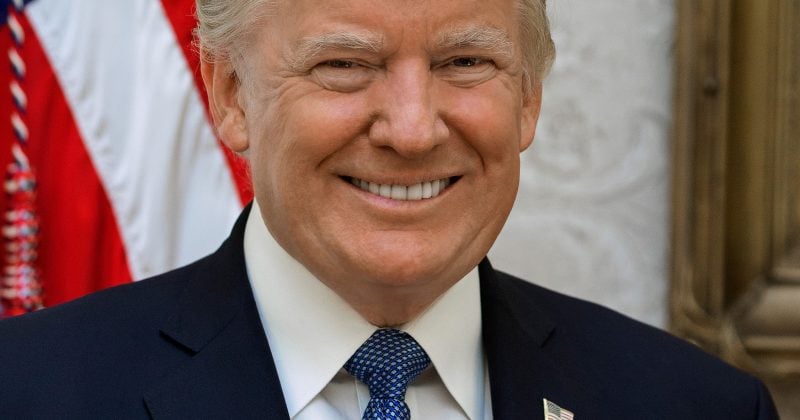
https://commons.wikimedia.org/wiki/File:Donald_Trump_official_portrait.jpg

Trump demands Iran curb Hezbollah, threatens new military strikes

US invasion of Iran

In a recent development, U.S. President Donald Trump has demanded that Iran restrain Hezbollah from causing unrest in the region, warning of potential new military strikes. This announcement comes amid ongoing tensions involving Hezbollah, a group supported by Iran, which has been involved in hostilities with Israel. Trump’s statement underscores a shift from diplomatic efforts to a more confrontational stance, suggesting increased pressure on Iran to influence Hezbollah’s actions. The threat of military action against Iran could indicate an escalation in the broader U.S.-Iran conflict, with implications for regional stability.

Advertisement

Key Takeaways

  • Trump’s threat of new strikes appears to increase the likelihood of U.S. military action against Iran, consistent with scenarios where diplomatic efforts fail.
  • The announcement suggests decreased chances of an imminent U.S.-Iran diplomatic meeting, as it indicates a shift from negotiations to military warnings.
  • Market behavior indicates a reduced probability of a ceasefire extension agreement between the U.S. and Iran, given Trump’s aggressive stance.

What to Watch

Watch for any responses from Iran or Hezbollah that could either escalate or de-escalate the situation. Monitoring statements from the White House and U.S. military movements could provide further indications of potential actions. Any developments in the Israel-Hezbollah conflict may also impact the likelihood of U.S. military involvement. Pay attention to diplomatic channels, as a shift back to negotiations could alter current market perceptions.

Get prediction market intelligence as a structured API feed. Early access waitlist.

Disclosure: This article was edited by Estefano Gomez. For more information on how we create and review content, see our Editorial Policy.

Trump demands Iran curb Hezbollah, threatens new military strikes

Trump demands Iran curb Hezbollah, threatens new military strikes

US invasion of Iran

https://commons.wikimedia.org/wiki/File:Donald_Trump_official_portrait.jpg

In a recent development, U.S. President Donald Trump has demanded that Iran restrain Hezbollah from causing unrest in the region, warning of potential new military strikes. This announcement comes amid ongoing tensions involving Hezbollah, a group supported by Iran, which has been involved in hostilities with Israel. Trump’s statement underscores a shift from diplomatic efforts to a more confrontational stance, suggesting increased pressure on Iran to influence Hezbollah’s actions. The threat of military action against Iran could indicate an escalation in the broader U.S.-Iran conflict, with implications for regional stability.

Advertisement

Key Takeaways

  • Trump’s threat of new strikes appears to increase the likelihood of U.S. military action against Iran, consistent with scenarios where diplomatic efforts fail.
  • The announcement suggests decreased chances of an imminent U.S.-Iran diplomatic meeting, as it indicates a shift from negotiations to military warnings.
  • Market behavior indicates a reduced probability of a ceasefire extension agreement between the U.S. and Iran, given Trump’s aggressive stance.

What to Watch

Watch for any responses from Iran or Hezbollah that could either escalate or de-escalate the situation. Monitoring statements from the White House and U.S. military movements could provide further indications of potential actions. Any developments in the Israel-Hezbollah conflict may also impact the likelihood of U.S. military involvement. Pay attention to diplomatic channels, as a shift back to negotiations could alter current market perceptions.

Get prediction market intelligence as a structured API feed. Early access waitlist.

Disclosure: This article was edited by Estefano Gomez. For more information on how we create and review content, see our Editorial Policy.