
Trump’s FIFA intervention puts spotlight on the organization’s crypto partnerships with Kraken and Avalanche
The president's call to reverse a World Cup red card has European politicians demanding investigations into FIFA governance, and that scrutiny could spill over into the organization's blockchain deals.
When the President of the United States personally calls the President of FIFA to get a soccer player’s red card reversed, it tends to raise a few questions. When that same organization has active partnerships with major crypto platforms, those questions start to matter for a completely different audience.
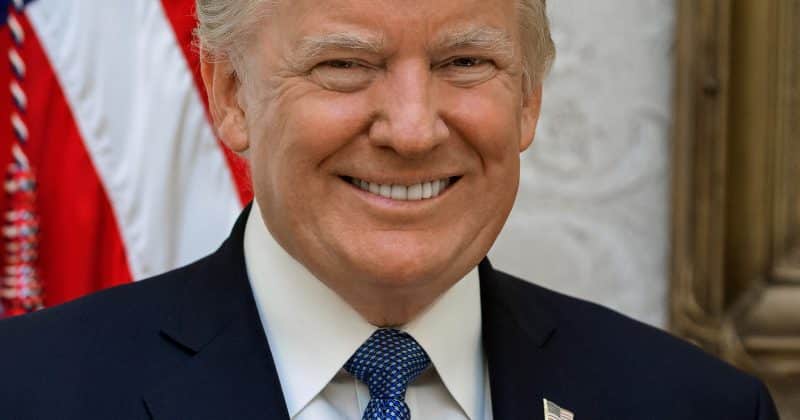
On July 5, 2026, Donald Trump confirmed he contacted FIFA President Gianni Infantino to request a review of the red card issued to US striker Folarin Balogun during a World Cup match against Bosnia and Herzegovina. Balogun had been shown the card for stepping on an opponent’s ankle, which carried an automatic one-game suspension that would have sidelined him for the round-of-16 match against Belgium.
By July 6, FIFA’s disciplinary committee had lifted the ban. It was the first time a red card suspension had been reversed at a World Cup since 1962.
The governance problem
The reversal didn’t exactly go unnoticed. European politicians have initiated calls for an investigation into Infantino’s decision-making, focusing specifically on FIFA’s perceived neutrality. The US is co-hosting the 2026 World Cup alongside Canada and Mexico, which makes the optics of a sitting president successfully lobbying the governing body particularly awkward.
The intervention didn’t exactly deliver a fairy tale ending. The US went on to lose to Belgium 4-1, a scoreline that suggests Balogun’s availability wasn’t the team’s most pressing issue.
The news moving money, markets, and the world—before your day starts.
Daily. Free. Join 34,000+ readers across crypto, finance, and policy.
Rosie O’Donnell, the comedian and longtime Trump critic, publicly denounced the situation, expressing frustration that neither the US team nor the US Soccer Federation pushed back on what she characterized as inappropriate political interference.
Where crypto enters the picture
FIFA maintains official partnerships with Kraken for exchange support and Avalanche for blockchain-based ticketing and digital collectibles. Visa’s collaboration with FIFA also involves USDC stablecoin for settlements, adding another layer of crypto integration to the World Cup ecosystem.
When a platform like Kraken or Avalanche attaches its name to FIFA, it’s borrowing from the organization’s global legitimacy. If that legitimacy comes under sustained political scrutiny, the borrowed goodwill starts to depreciate.
What this means for crypto investors
Avalanche’s blockchain ticketing and collectibles initiative depends on continued FIFA partnership stability. If investigations into FIFA’s governance practices gain momentum, those partnerships could face renegotiation, public backlash, or both. The same logic applies to Kraken, which has been using its FIFA relationship as a brand-building tool in a competitive exchange landscape.
The broader concern is regulatory spillover. European politicians who are already skeptical of crypto don’t need much encouragement to expand governance investigations into adjacent financial partnerships. If FIFA’s crypto deals get pulled into a wider inquiry about the organization’s decision-making integrity, the scrutiny could create headwinds for projects that were counting on World Cup exposure to drive adoption.