
Nexo Earn with Nexo
Trump declares Strait of Hormuz will be permanently toll-free as Iran deal reshapes oil and crypto markets

Trump declares Strait of Hormuz will be permanently toll-free as Iran deal reshapes oil and crypto markets

The agreement to reopen the world's most critical oil chokepoint without transit fees sent Bitcoin higher and oil prices lower, with ripple effects across digital asset markets.

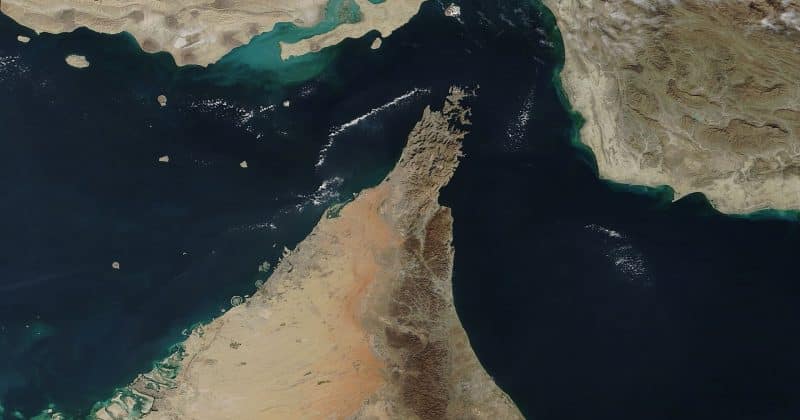
The Strait of Hormuz, the narrow waterway responsible for roughly 20% of the world’s oil shipments, is reopening permanently without any toll fees. That’s the word from President Trump, who announced the deal on June 15 as the culmination of tense negotiations with Iran that, at various points, nearly fell apart over the very question of who gets to charge what for passage.

The agreement marks a dramatic reversal from proposals floated just weeks earlier that would have slapped transit fees on every vessel passing through. Crypto markets noticed immediately, with Bitcoin and other digital assets ticking upward on the news as traders priced in lower geopolitical risk and cheaper energy.

From blockade to open lanes

The deal’s framework includes two major operational components: a phased removal of the US naval blockade and mine clearance operations conducted by Iranian forces. Trump confirmed that shipping lanes are already operational, telling reporters to “let the oil flow.”

Advertisement

Just two months ago, this outcome looked unlikely. In April 2026, Iran was actively exploring the idea of charging transit fees, with proposals floating around $1 per barrel or as much as $2 million per vessel. Those tolls were part of a ceasefire negotiation framework, and Iran had specifically discussed accepting payments in digital assets, a move widely interpreted as an attempt to sidestep US sanctions through crypto rails.

Crypto markets respond to the geopolitical shift

The earlier proposal to accept tolls in digital assets had briefly put crypto infrastructure at the center of a geopolitical standoff. Iran’s interest in using tokens like USDT to collect passage fees highlighted both the utility and the regulatory vulnerability of digital assets in sanctions-heavy environments.

That vulnerability became concrete in early June 2026, when the US sanctioned Nobitex, Iran’s largest cryptocurrency exchange, over alleged ties to the Islamic Revolutionary Guard Corps. The timing wasn’t coincidental. Washington was simultaneously negotiating the Hormuz deal and tightening the screws on Iran’s ability to use crypto as a financial escape hatch.

What this means for investors

The phased removal of a naval blockade and active mine clearance operations mean the reopening is a process, not a switch flip. Any hiccup, whether operational, diplomatic, or military, could briefly reignite supply concerns and whipsaw both oil and crypto markets.

Investors should keep a close eye on two things going forward. The first is whether the Nobitex sanctions expand to other Iranian crypto platforms, which would signal continued US pressure on digital asset infrastructure in sanctioned jurisdictions. The second is the nuclear negotiation timeline. The Hormuz deal explicitly kicked that can down the road, and if nuclear talks stall or collapse, the geopolitical risk premium that just evaporated could come roaring back.

Disclosure: This article was edited by Editorial Team. For more information on how we create and review content, see our Editorial Policy.

Trump declares Strait of Hormuz will be permanently toll-free as Iran deal reshapes oil and crypto markets

Trump declares Strait of Hormuz will be permanently toll-free as Iran deal reshapes oil and crypto markets

The agreement to reopen the world's most critical oil chokepoint without transit fees sent Bitcoin higher and oil prices lower, with ripple effects across digital asset markets.

The Strait of Hormuz, the narrow waterway responsible for roughly 20% of the world’s oil shipments, is reopening permanently without any toll fees. That’s the word from President Trump, who announced the deal on June 15 as the culmination of tense negotiations with Iran that, at various points, nearly fell apart over the very question of who gets to charge what for passage.

The agreement marks a dramatic reversal from proposals floated just weeks earlier that would have slapped transit fees on every vessel passing through. Crypto markets noticed immediately, with Bitcoin and other digital assets ticking upward on the news as traders priced in lower geopolitical risk and cheaper energy.

From blockade to open lanes

The deal’s framework includes two major operational components: a phased removal of the US naval blockade and mine clearance operations conducted by Iranian forces. Trump confirmed that shipping lanes are already operational, telling reporters to “let the oil flow.”

Advertisement

Just two months ago, this outcome looked unlikely. In April 2026, Iran was actively exploring the idea of charging transit fees, with proposals floating around $1 per barrel or as much as $2 million per vessel. Those tolls were part of a ceasefire negotiation framework, and Iran had specifically discussed accepting payments in digital assets, a move widely interpreted as an attempt to sidestep US sanctions through crypto rails.

Crypto markets respond to the geopolitical shift

The earlier proposal to accept tolls in digital assets had briefly put crypto infrastructure at the center of a geopolitical standoff. Iran’s interest in using tokens like USDT to collect passage fees highlighted both the utility and the regulatory vulnerability of digital assets in sanctions-heavy environments.

That vulnerability became concrete in early June 2026, when the US sanctioned Nobitex, Iran’s largest cryptocurrency exchange, over alleged ties to the Islamic Revolutionary Guard Corps. The timing wasn’t coincidental. Washington was simultaneously negotiating the Hormuz deal and tightening the screws on Iran’s ability to use crypto as a financial escape hatch.

What this means for investors

The phased removal of a naval blockade and active mine clearance operations mean the reopening is a process, not a switch flip. Any hiccup, whether operational, diplomatic, or military, could briefly reignite supply concerns and whipsaw both oil and crypto markets.

Investors should keep a close eye on two things going forward. The first is whether the Nobitex sanctions expand to other Iranian crypto platforms, which would signal continued US pressure on digital asset infrastructure in sanctioned jurisdictions. The second is the nuclear negotiation timeline. The Hormuz deal explicitly kicked that can down the road, and if nuclear talks stall or collapse, the geopolitical risk premium that just evaporated could come roaring back.

Disclosure: This article was edited by Editorial Team. For more information on how we create and review content, see our Editorial Policy.