
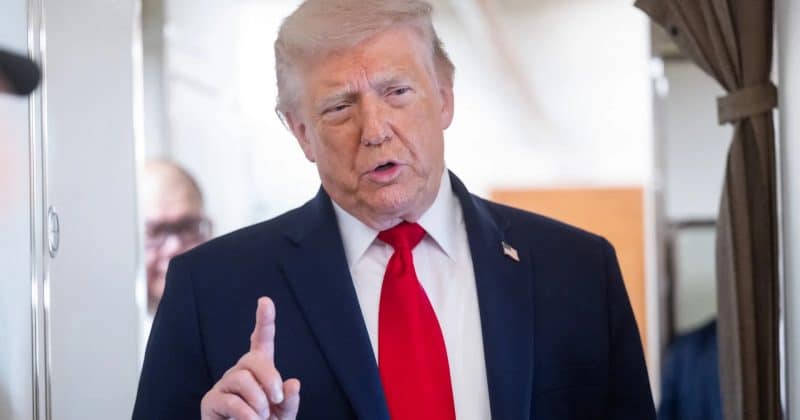
Trump calls 4% inflation data ‘great’, expects drop after Iran war ends
The president is framing near-4% inflation as a win, betting that falling energy prices will do the heavy lifting once geopolitical tensions ease.
President Trump is calling roughly 4% inflation “great,” which is a word that means something different depending on whether you’re the one setting policy or the one buying groceries.
The argument from the White House goes like this: inflation is elevated primarily because of energy costs tied to the ongoing conflict with Iran, and once that situation stabilizes, prices will naturally come down.
The numbers behind the spin
April 2026 data tells a more nuanced story than the president’s one-word review suggests. The personal consumption expenditures index, the Federal Reserve’s preferred inflation gauge, rose 3.8% year-over-year. Core PCE, which strips out volatile food and energy prices, came in at 3.3%.
If you remove energy from the equation and inflation is still running at 3.3%, blaming Iran for the whole problem is a stretch. Core PCE exists specifically to isolate underlying price pressures from temporary commodity swings. A 3.3% reading means inflation has seeped into the broader economy, not just the gas pump.
Gas prices stayed above $4 per gallon for several weeks in May 2026. That’s the kind of sustained energy cost that doesn’t just hit drivers. It ripples through supply chains, shipping costs, and eventually the price of everything from lettuce to laptops.
The OECD has adjusted its US inflation forecast to 4.2% for the full year of 2026.
Macro, rates, and crypto—what moved markets and what matters next.
Daily. Free. Join 34,000+ readers across crypto, finance, and policy.
First-quarter GDP growth was revised down to 1.6%, a figure that puts the economy in uncomfortable proximity to the kind of sluggish expansion that makes “stagflation” start appearing in headlines.
The Iran variable
Companies and economists have already noted that the geopolitical tensions are dragging on economic growth. The combination of higher input costs and uncertainty about future policy is making businesses hesitant to invest and expand.
With PCE running at 3.8% and core at 3.3%, both well above the 2% target, the central bank faces pressure to keep rates elevated.
What this means for crypto investors
Bitcoin has been trading in the $79,000 to $80,000 range during mid-May 2026, and the price action has been tightly correlated with macroeconomic announcements and geopolitical developments.
The real wildcard is Fed policy. If inflation stays sticky above 3%, the central bank has little room to cut rates. Sustained higher rates historically create headwinds for risk assets, including crypto, by making yield-bearing instruments more attractive by comparison.
Crypto markets are going to remain hostage to macro data and geopolitical headlines for the foreseeable future. Investors should be watching PCE prints, energy prices, and Fed meeting minutes as closely as they watch on-chain metrics.