
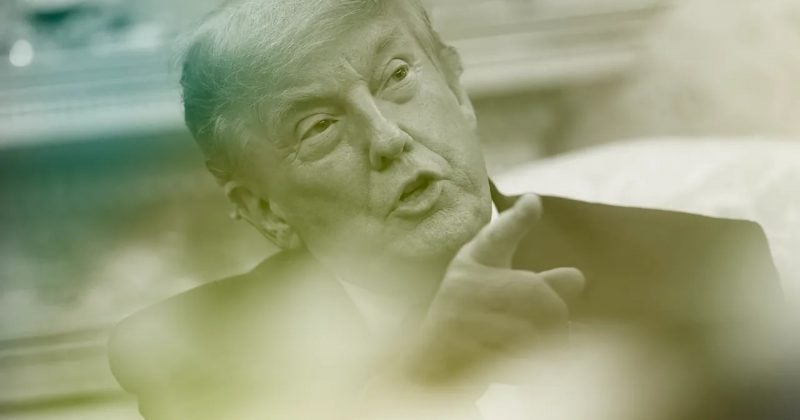
Trump declares US ceasefire with Iran is over, sending Bitcoin down 2% and rattling European markets

Trump declares US ceasefire with Iran is over, sending Bitcoin down 2% and rattling European markets

The collapse of a 60-day truce has triggered risk-off sentiment across crypto and traditional markets, with European leaders scrambling to reassess their strategic dependence on Washington.

President Donald Trump stood at a NATO summit in Ankara on July 8 and told the world the ceasefire with Iran was “over,” calling Iranian leaders “scum” and “sick people.” Within hours, the US launched fresh airstrikes on Iranian positions. Bitcoin dropped more than 2%. The CoinDesk 20 Index fell 2.9%. Oil prices spiked. And European officials started talking very publicly about reducing their military dependence on Washington.

What happened and why it matters

The ceasefire that collapsed was reached in mid-June 2026, meant to cool a period of escalating violence between US and Iranian forces. That violence included US strikes on Iranian nuclear facilities and Iranian retaliatory missile attacks targeting American interests in the region. A similar pattern played out before: a brief ceasefire dubbed the “Twelve-Day War” occurred in late June 2025, and fighting resumed almost immediately after.

Advertisement

This time, Iran responded to Trump’s declaration by targeting US allied assets on the same day. The Strait of Hormuz, through which roughly a fifth of the world’s oil supply flows, has seen Iranian strikes on maritime traffic.

Europe’s strategic rethink

NATO members from the continent signaled a clear desire to reduce military dependence on the United States. Europe imports significant quantities of energy from the Middle East, meaning any sustained disruption to oil flows through the Strait of Hormuz would hit European economies disproportionately hard.

What this means for crypto investors

In the short term, the pattern is well-established. The 2%-plus Bitcoin decline and 2.9% CoinDesk 20 drop on July 8 are textbook examples of escalation producing risk-off selling pressure on volatile assets.

Sustained conflict in the Middle East tends to drive oil prices higher, which feeds inflation, which complicates central bank policy. If the Federal Reserve finds itself unable to cut rates because energy-driven inflation is running hot, that removes one of the primary catalysts that has historically fueled crypto rallies.

Watch the Strait of Hormuz closely. If Iranian attacks on maritime traffic escalate meaningfully, the oil price impact could cascade into a broader market correction. Conversely, any signs of renewed diplomatic engagement could trigger sharp relief rallies.

Disclosure: This article was edited by Editorial Team. For more information on how we create and review content, see our Editorial Policy.

Trump declares US ceasefire with Iran is over, sending Bitcoin down 2% and rattling European markets

Trump declares US ceasefire with Iran is over, sending Bitcoin down 2% and rattling European markets

The collapse of a 60-day truce has triggered risk-off sentiment across crypto and traditional markets, with European leaders scrambling to reassess their strategic dependence on Washington.

President Donald Trump stood at a NATO summit in Ankara on July 8 and told the world the ceasefire with Iran was “over,” calling Iranian leaders “scum” and “sick people.” Within hours, the US launched fresh airstrikes on Iranian positions. Bitcoin dropped more than 2%. The CoinDesk 20 Index fell 2.9%. Oil prices spiked. And European officials started talking very publicly about reducing their military dependence on Washington.

What happened and why it matters

The ceasefire that collapsed was reached in mid-June 2026, meant to cool a period of escalating violence between US and Iranian forces. That violence included US strikes on Iranian nuclear facilities and Iranian retaliatory missile attacks targeting American interests in the region. A similar pattern played out before: a brief ceasefire dubbed the “Twelve-Day War” occurred in late June 2025, and fighting resumed almost immediately after.

Advertisement

This time, Iran responded to Trump’s declaration by targeting US allied assets on the same day. The Strait of Hormuz, through which roughly a fifth of the world’s oil supply flows, has seen Iranian strikes on maritime traffic.

Europe’s strategic rethink

NATO members from the continent signaled a clear desire to reduce military dependence on the United States. Europe imports significant quantities of energy from the Middle East, meaning any sustained disruption to oil flows through the Strait of Hormuz would hit European economies disproportionately hard.

What this means for crypto investors

In the short term, the pattern is well-established. The 2%-plus Bitcoin decline and 2.9% CoinDesk 20 drop on July 8 are textbook examples of escalation producing risk-off selling pressure on volatile assets.

Sustained conflict in the Middle East tends to drive oil prices higher, which feeds inflation, which complicates central bank policy. If the Federal Reserve finds itself unable to cut rates because energy-driven inflation is running hot, that removes one of the primary catalysts that has historically fueled crypto rallies.

Watch the Strait of Hormuz closely. If Iranian attacks on maritime traffic escalate meaningfully, the oil price impact could cascade into a broader market correction. Conversely, any signs of renewed diplomatic engagement could trigger sharp relief rallies.

Disclosure: This article was edited by Editorial Team. For more information on how we create and review content, see our Editorial Policy.