
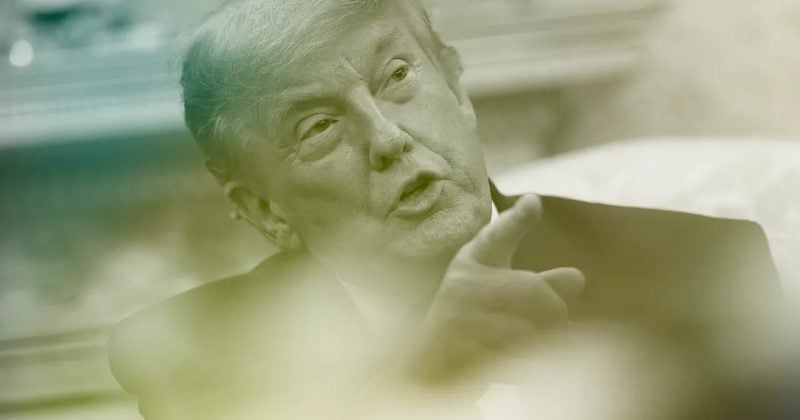
Trump declares US-Iran ceasefire over as Bitcoin slides toward $60K

Trump declares US-Iran ceasefire over as Bitcoin slides toward $60K

Renewed hostilities between Washington and Tehran are rattling energy markets and sending crypto investors toward the exits.

The 60-day ceasefire between the United States and Iran is officially over, at least according to President Donald Trump. His declaration, made around July 8, marked a hard pivot from a mediated pause that had briefly calmed one of the most volatile geopolitical flashpoints of 2026 back into active military engagement, and markets felt it immediately.

Bitcoin, which had climbed above $72K earlier in the year partly on relief that a US-Iran deal was holding, reversed course sharply, falling toward and below the $60K level as the ceasefire collapsed. That is a drop of more than 16% from its 2026 peak.

What actually happened

The ceasefire was part of a broader series of mediated pauses that had been brokered in the earlier months of 2026, aimed at containing a conflict centered on Iranian missile capabilities, nuclear proliferation concerns, and, critically, strategic control of the Strait of Hormuz.

Advertisement

The Strait of Hormuz matters enormously. Roughly one-fifth of the world’s oil supply passes through that narrow chokepoint.

US strikes on Iranian targets and Iranian retaliatory responses broke the fragile truce. Trump’s announcement formalized what the exchange of fire had already made obvious: the ceasefire was done. He left one diplomatic door slightly ajar, noting that negotiations could still proceed through intermediaries, but the language of active hostility had returned.

Pakistan has reportedly been among the mediating parties attempting to bring both sides back to the table.

Why crypto traders are watching oil prices

Oil prices surged on the renewed conflict, and that ripple hit crypto almost immediately. When oil spikes on conflict risk, it signals a broader repricing of global uncertainty. Institutional investors, who now hold significant crypto exposure, tend to reduce risk across their portfolios simultaneously. Bitcoin gets sold alongside equities, high-yield bonds, and other assets perceived as volatile.

Bitcoin’s slide toward $60K is a meaningful psychological threshold. Earlier in 2026, the asset had rallied above $72K, with the conditional ceasefire and a generally risk-on environment providing fuel.

The Strait of Hormuz angle adds another layer of complexity for energy-intensive industries, including crypto mining. A sustained oil shock that translates into broader energy price increases puts upward pressure on mining costs, which can reduce miner profitability and, in a prolonged scenario, affect the hash rate and network security dynamics of proof-of-work blockchains like Bitcoin.

What investors should watch next

The nuclear dimension cannot be ignored either. The original ceasefire framework was designed partly around constraining Iranian missile and nuclear programs. A full breakdown of that framework reopens questions about nuclear proliferation that markets had tentatively set aside.

Disclosure: This article was edited by Editorial Team. For more information on how we create and review content, see our Editorial Policy.

Trump declares US-Iran ceasefire over as Bitcoin slides toward $60K

Trump declares US-Iran ceasefire over as Bitcoin slides toward $60K

Renewed hostilities between Washington and Tehran are rattling energy markets and sending crypto investors toward the exits.

The 60-day ceasefire between the United States and Iran is officially over, at least according to President Donald Trump. His declaration, made around July 8, marked a hard pivot from a mediated pause that had briefly calmed one of the most volatile geopolitical flashpoints of 2026 back into active military engagement, and markets felt it immediately.

Bitcoin, which had climbed above $72K earlier in the year partly on relief that a US-Iran deal was holding, reversed course sharply, falling toward and below the $60K level as the ceasefire collapsed. That is a drop of more than 16% from its 2026 peak.

What actually happened

The ceasefire was part of a broader series of mediated pauses that had been brokered in the earlier months of 2026, aimed at containing a conflict centered on Iranian missile capabilities, nuclear proliferation concerns, and, critically, strategic control of the Strait of Hormuz.

Advertisement

The Strait of Hormuz matters enormously. Roughly one-fifth of the world’s oil supply passes through that narrow chokepoint.

US strikes on Iranian targets and Iranian retaliatory responses broke the fragile truce. Trump’s announcement formalized what the exchange of fire had already made obvious: the ceasefire was done. He left one diplomatic door slightly ajar, noting that negotiations could still proceed through intermediaries, but the language of active hostility had returned.

Pakistan has reportedly been among the mediating parties attempting to bring both sides back to the table.

Why crypto traders are watching oil prices

Oil prices surged on the renewed conflict, and that ripple hit crypto almost immediately. When oil spikes on conflict risk, it signals a broader repricing of global uncertainty. Institutional investors, who now hold significant crypto exposure, tend to reduce risk across their portfolios simultaneously. Bitcoin gets sold alongside equities, high-yield bonds, and other assets perceived as volatile.

Bitcoin’s slide toward $60K is a meaningful psychological threshold. Earlier in 2026, the asset had rallied above $72K, with the conditional ceasefire and a generally risk-on environment providing fuel.

The Strait of Hormuz angle adds another layer of complexity for energy-intensive industries, including crypto mining. A sustained oil shock that translates into broader energy price increases puts upward pressure on mining costs, which can reduce miner profitability and, in a prolonged scenario, affect the hash rate and network security dynamics of proof-of-work blockchains like Bitcoin.

What investors should watch next

The nuclear dimension cannot be ignored either. The original ceasefire framework was designed partly around constraining Iranian missile and nuclear programs. A full breakdown of that framework reopens questions about nuclear proliferation that markets had tentatively set aside.

Disclosure: This article was edited by Editorial Team. For more information on how we create and review content, see our Editorial Policy.