
Trump declares US ceasefire with Iran is over, sending oil prices surging and crypto sliding

Trump declares US ceasefire with Iran is over, sending oil prices surging and crypto sliding

Bitcoin and Ether both dropped more than 2% as the collapse of a year-old diplomatic agreement rattled global markets and threatened one of the world's most critical energy chokepoints.

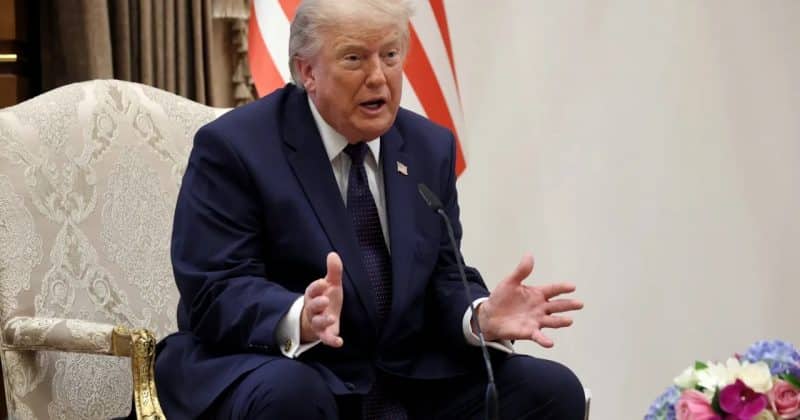
The fragile peace between the US and Iran just shattered, and global markets felt it immediately. President Donald Trump announced on July 8 that the US ceasefire with Iran is “over,” following a string of Iranian attacks on commercial vessels transiting the Strait of Hormuz.

Oil prices surged. US equities dropped. Bitcoin and Ether each declined more than 2% in the hours after the announcement.

What happened in the Strait of Hormuz

Between June 26 and July 7, Iran launched drone and projectile strikes on three to five commercial ships navigating the Strait of Hormuz.

These attacks directly violated a memorandum of understanding established during a ceasefire in June 2025. That agreement, structured as a 60-day MoU, was supposed to guarantee safe naval passage through the strait.

Advertisement

Trump’s response was characteristically blunt. He referred to Iranian leaders as “scum” and warned that additional US military strikes were “very probably” coming. The US has now formally revoked the MoU, effectively returning both nations to a pre-ceasefire posture.

The immediate reaction from the maritime industry has been heightened caution, with some operators reportedly reassessing their routing entirely.

The market fallout across asset classes

US equities took a hit as investor sentiment pivoted into risk-off mode. Bitcoin and Ether both sliding more than 2% reinforces a pattern that has become harder to ignore. During acute geopolitical stress, digital assets tend to behave less like “digital gold” and more like high-beta risk assets.

The US dollar strengthened in the immediate aftermath, which added additional downward pressure on crypto prices.

Why crypto investors should pay attention

Some traders may begin rotating into stablecoins as a way to stay in the crypto ecosystem while reducing directional exposure. Stablecoin market caps tend to swell when spot crypto prices are falling, as investors park capital on the sidelines waiting for clarity.

What makes this moment different from previous Hormuz scares is the diplomatic infrastructure that just collapsed. The June 2025 ceasefire represented a rare moment of structured engagement between Washington and Tehran. Its failure removes a guardrail that gave markets some baseline confidence in passage through the strait.

Traders who remember the early 2020 US-Iran tensions, when Bitcoin initially dropped before recovering, know that the initial instinct is almost always to sell first and ask questions later.

Disclosure: This article was edited by Editorial Team. For more information on how we create and review content, see our Editorial Policy.

Trump declares US ceasefire with Iran is over, sending oil prices surging and crypto sliding

Trump declares US ceasefire with Iran is over, sending oil prices surging and crypto sliding

Bitcoin and Ether both dropped more than 2% as the collapse of a year-old diplomatic agreement rattled global markets and threatened one of the world's most critical energy chokepoints.

The fragile peace between the US and Iran just shattered, and global markets felt it immediately. President Donald Trump announced on July 8 that the US ceasefire with Iran is “over,” following a string of Iranian attacks on commercial vessels transiting the Strait of Hormuz.

Oil prices surged. US equities dropped. Bitcoin and Ether each declined more than 2% in the hours after the announcement.

What happened in the Strait of Hormuz

Between June 26 and July 7, Iran launched drone and projectile strikes on three to five commercial ships navigating the Strait of Hormuz.

These attacks directly violated a memorandum of understanding established during a ceasefire in June 2025. That agreement, structured as a 60-day MoU, was supposed to guarantee safe naval passage through the strait.

Advertisement

Trump’s response was characteristically blunt. He referred to Iranian leaders as “scum” and warned that additional US military strikes were “very probably” coming. The US has now formally revoked the MoU, effectively returning both nations to a pre-ceasefire posture.

The immediate reaction from the maritime industry has been heightened caution, with some operators reportedly reassessing their routing entirely.

The market fallout across asset classes

US equities took a hit as investor sentiment pivoted into risk-off mode. Bitcoin and Ether both sliding more than 2% reinforces a pattern that has become harder to ignore. During acute geopolitical stress, digital assets tend to behave less like “digital gold” and more like high-beta risk assets.

The US dollar strengthened in the immediate aftermath, which added additional downward pressure on crypto prices.

Why crypto investors should pay attention

Some traders may begin rotating into stablecoins as a way to stay in the crypto ecosystem while reducing directional exposure. Stablecoin market caps tend to swell when spot crypto prices are falling, as investors park capital on the sidelines waiting for clarity.

What makes this moment different from previous Hormuz scares is the diplomatic infrastructure that just collapsed. The June 2025 ceasefire represented a rare moment of structured engagement between Washington and Tehran. Its failure removes a guardrail that gave markets some baseline confidence in passage through the strait.

Traders who remember the early 2020 US-Iran tensions, when Bitcoin initially dropped before recovering, know that the initial instinct is almost always to sell first and ask questions later.

Disclosure: This article was edited by Editorial Team. For more information on how we create and review content, see our Editorial Policy.