
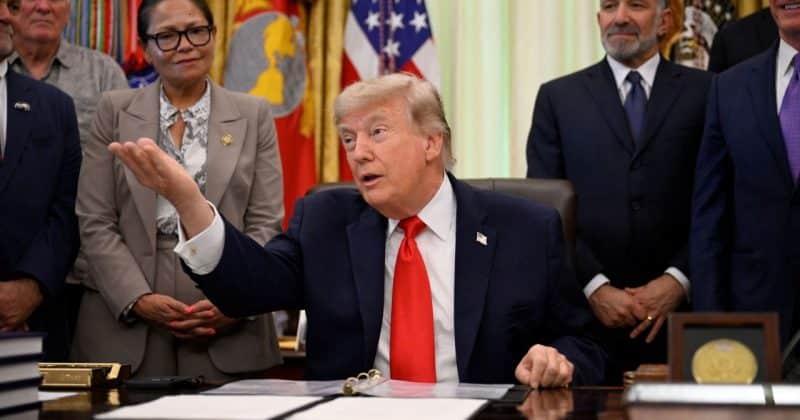
Donald Trump’s deal to end Iran war awaits approval from officials
A tentative 60-day ceasefire framework hangs in limbo as Iranian security officials withhold final sign-off, leaving crypto markets in a geopolitical guessing game.
President Trump says the deal is done. Iran says not so fast.
That’s the gap at the center of what could be the most consequential diplomatic development of 2026. A tentative framework agreement between the US and Iran, brokered with help from Pakistan and Qatar, includes a 60-day memorandum of understanding meant to extend a ceasefire and open formal discussions on Iran’s nuclear program. But Iranian security officials have not approved the deal, mediators confirmed, leaving the entire arrangement in a state of diplomatic purgatory.
Trump has publicly claimed the deal was approved by all parties and suggested a signing could take place in Europe within days. Iranian sources, including semi-official agencies like Fars, have pushed back, stating that no final decision has been reached and that the agreement remains under review.
How the conflict got here
The war between the US and Iran began in February 2026, when US and Israeli forces launched strikes on Iranian targets.
Negotiations toward a ceasefire picked up momentum in late May. On May 28, 2026, US and Iranian negotiators reached a tentative framework for a 60-day ceasefire, with Pakistan and Qatar serving as intermediaries. The framework was designed as a confidence-building measure, not a comprehensive peace deal, but rather a structured pause that would create space for deeper talks about Iran’s nuclear activities.
As of June 11-12, 2026, Trump was projecting confidence that a signing was imminent, while Iranian officials were signaling that their security establishment had not yet given the green light. Trump also made headlines by canceling previously scheduled military strikes, a move widely interpreted as a gesture of good faith aimed at keeping negotiations alive.
What crypto markets are hearing
Bitcoin showed a notable rebound following Trump’s comments about canceling military strikes and his optimistic framing of the deal, rising 5% amidst the diplomatic negotiations in June 2026. The broader digital asset market followed suit, with major tokens posting gains tied to de-escalation prospects and reduced geopolitical uncertainty.
During the initial escalation in February 2026, risk assets broadly sold off. As ceasefire talks gained traction in late May, the trend reversed.
What this means for investors
If the deal gets approved, risk assets likely rally further. If Iranian security officials reject the framework, or if negotiations collapse over nuclear program specifics, the reversal could be sharp.
The 60-day ceasefire framework, if approved, would represent the most significant de-escalation since the conflict began. Iranian security officials operate on their own timeline and their own strategic calculus, and Trump’s public optimism may actually complicate their internal deliberations.
For crypto investors specifically, the playbook is to watch two things: the official Iranian response and the trajectory of US military posture. If both move toward de-escalation simultaneously, the risk-on trade has legs.