
Trump believes Iran’s supreme leader approved deal with US, and crypto markets are paying attention
A potential ceasefire and the unfreezing of $24 billion in Iranian assets could reshape risk sentiment across digital asset markets.
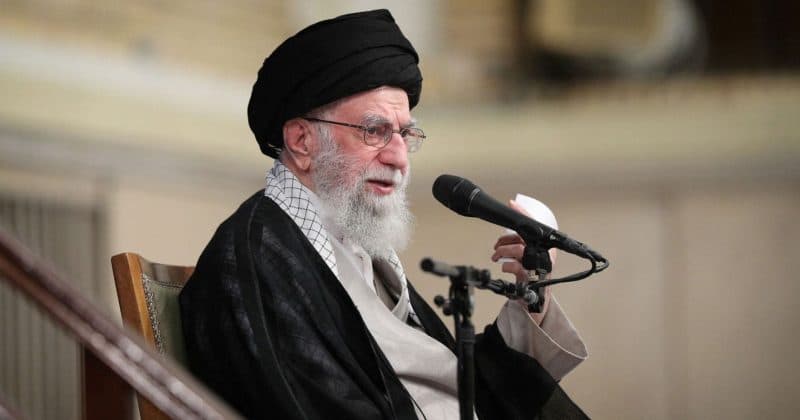
President Donald Trump announced on June 4-5 that he believes Iran’s supreme leader, Ayatollah Mojtaba Khamenei, has approved a framework deal with the United States. The proposed agreement, described as a memorandum of understanding, would mark a dramatic pivot in a conflict that has stretched into its fourth month.
The deal reportedly includes a 60-day ceasefire extension, the reopening of the Strait of Hormuz, limitations on Iran’s nuclear program, and the potential release of roughly $24B in frozen Iranian assets.
What the deal looks like
The US-Iran conflict escalated sharply after the killing of Ayatollah Ali Khamenei on February 28, 2026. His successor, Mojtaba Khamenei, has now reportedly given the green light to a diplomatic framework that would pull both countries back from the brink.
Trump described the deal drafts as being in “pretty final shape” but indicated he has requested amendments, particularly around stronger nuclear safeguard provisions. A signing could occur imminently, according to the president’s own characterization of the timeline.
The negotiations themselves have been indirect. Omani and Pakistani mediators have served as go-betweens, a setup that reflects just how far apart the two sides remain on direct engagement.
The Strait of Hormuz element is arguably the most economically significant piece of the puzzle. Roughly 20% of the world’s oil passes through that narrow waterway. Its closure has sent shockwaves through energy markets for months, and its reopening would relieve pressure on global supply chains in ways that extend well beyond petroleum.
The news moving money, markets, and the world—before your day starts.
Daily. Free. Join 34,000+ readers across crypto, finance, and policy.
Why crypto cares about Middle East diplomacy
Bitcoin prices rose meaningfully on peace signals back in May 2026, when early indications of diplomatic progress first surfaced. Prediction markets have added another layer to this dynamic. Traders on those platforms expressed optimism about the diplomatic negotiations, creating a feedback loop where betting market sentiment reinforced spot market activity.
Oil prices factor in too. A reopened Strait of Hormuz would likely push energy costs down, easing inflationary pressures that have weighed on risk appetite for months.
What this means for investors
Trump himself acknowledged that amendments are still being negotiated. His insistence on stronger nuclear safeguard provisions could introduce friction at the final stage.
The indirect nature of the talks adds another layer of fragility. Mediated negotiations through Oman and Pakistan mean there’s more room for miscommunication and more points of potential failure.
For crypto traders specifically, the key variable to watch isn’t just whether a deal gets signed. It’s the sequencing. A ceasefire extension buys time but doesn’t resolve underlying tensions. The Strait of Hormuz reopening would have immediate economic effects. Nuclear provisions could take months or years to implement and verify.