
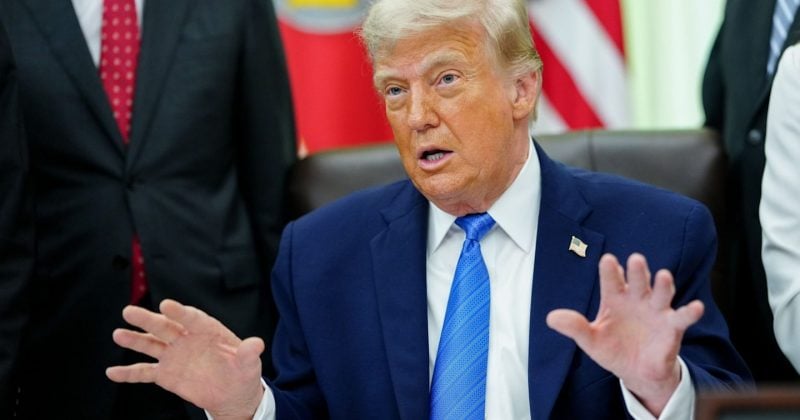
Trump says Iran deal does not include immediate sanctions relief, deferring key decisions

Trump says Iran deal does not include immediate sanctions relief, deferring key decisions

The US-Iran memorandum of understanding takes a phased approach to sanctions, with crypto markets already reacting to the geopolitical shift

The US-Iran memorandum of understanding signed on June 15 does not include immediate sanctions relief for Tehran. Donald Trump confirmed that broader relief measures would be addressed in future discussions, keeping the pressure on Iran while offering narrow, conditional concessions.

What the MOU actually says

The preliminary agreement operates on a conditional framework. Iran gets some immediate concessions: the reopening of the Strait of Hormuz without tolls and temporary sanctions waivers allowing limited oil sales.

Those oil sales follow a phased approach tied to compliance, with an initial 60-day window. Iran can start selling oil again, but only if it plays by the rules, and Washington reserves the right to pull the plug after two months.

The bigger items, comprehensive sanctions relief and the release of frozen assets, remain on the table for later rounds of negotiation. Any future easing is contingent on Tehran meeting specific behavioral commitments, particularly around nuclear activities.

Advertisement

A virtual signing event took place on June 15, with an in-person ceremony expected later in the week.

The crypto angle: sanctions, Nobitex, and Bitcoin’s reaction

Bitcoin pushed above $65,000 amid speculation surrounding the MOU and its broader market implications.

Meanwhile, the US Treasury has been tightening the screws on Iran’s digital asset infrastructure. On June 2, the Treasury sanctioned Nobitex, Iran’s largest digital asset exchange, freezing assets valued in the hundreds of millions. That move sent a clear signal: even as diplomatic channels open, Washington isn’t relaxing its grip on Iran’s crypto ecosystem.

The Nobitex sanctions are significant for several reasons. The exchange served as a critical on-ramp for Iranian users seeking to move value outside the traditional banking system. By targeting it, the Treasury effectively demonstrated that diplomatic negotiations and enforcement actions can run on parallel tracks.

Why this matters for crypto investors

The phased nature of the MOU creates a rolling series of potential catalysts. Every compliance checkpoint over the next 60 days becomes a moment where markets might reprice risk.

The US has made clear that it will continue targeting crypto platforms involved in sanctions evasion regardless of diplomatic progress.

The 60-day compliance window expiring sometime in mid-August will be the next major inflection point. If Iran passes that checkpoint and negotiations advance toward actual sanctions relief, the macro bullish case for risk assets, crypto included, gets considerably stronger.

Disclosure: This article was edited by Editorial Team. For more information on how we create and review content, see our Editorial Policy.

Trump says Iran deal does not include immediate sanctions relief, deferring key decisions

Trump says Iran deal does not include immediate sanctions relief, deferring key decisions

The US-Iran memorandum of understanding takes a phased approach to sanctions, with crypto markets already reacting to the geopolitical shift

The US-Iran memorandum of understanding signed on June 15 does not include immediate sanctions relief for Tehran. Donald Trump confirmed that broader relief measures would be addressed in future discussions, keeping the pressure on Iran while offering narrow, conditional concessions.

What the MOU actually says

The preliminary agreement operates on a conditional framework. Iran gets some immediate concessions: the reopening of the Strait of Hormuz without tolls and temporary sanctions waivers allowing limited oil sales.

Those oil sales follow a phased approach tied to compliance, with an initial 60-day window. Iran can start selling oil again, but only if it plays by the rules, and Washington reserves the right to pull the plug after two months.

The bigger items, comprehensive sanctions relief and the release of frozen assets, remain on the table for later rounds of negotiation. Any future easing is contingent on Tehran meeting specific behavioral commitments, particularly around nuclear activities.

Advertisement

A virtual signing event took place on June 15, with an in-person ceremony expected later in the week.

The crypto angle: sanctions, Nobitex, and Bitcoin’s reaction

Bitcoin pushed above $65,000 amid speculation surrounding the MOU and its broader market implications.

Meanwhile, the US Treasury has been tightening the screws on Iran’s digital asset infrastructure. On June 2, the Treasury sanctioned Nobitex, Iran’s largest digital asset exchange, freezing assets valued in the hundreds of millions. That move sent a clear signal: even as diplomatic channels open, Washington isn’t relaxing its grip on Iran’s crypto ecosystem.

The Nobitex sanctions are significant for several reasons. The exchange served as a critical on-ramp for Iranian users seeking to move value outside the traditional banking system. By targeting it, the Treasury effectively demonstrated that diplomatic negotiations and enforcement actions can run on parallel tracks.

Why this matters for crypto investors

The phased nature of the MOU creates a rolling series of potential catalysts. Every compliance checkpoint over the next 60 days becomes a moment where markets might reprice risk.

The US has made clear that it will continue targeting crypto platforms involved in sanctions evasion regardless of diplomatic progress.

The 60-day compliance window expiring sometime in mid-August will be the next major inflection point. If Iran passes that checkpoint and negotiations advance toward actual sanctions relief, the macro bullish case for risk assets, crypto included, gets considerably stronger.

Disclosure: This article was edited by Editorial Team. For more information on how we create and review content, see our Editorial Policy.