
Nexo Earn with Nexo
Trump says he won’t unfreeze Iran’s assets before peace deal, and crypto markets are paying attention

Trump says he won’t unfreeze Iran’s assets before peace deal, and crypto markets are paying attention

The standoff over tens of billions in frozen Iranian assets is creating ripple effects across risk markets, including Bitcoin and Ether.

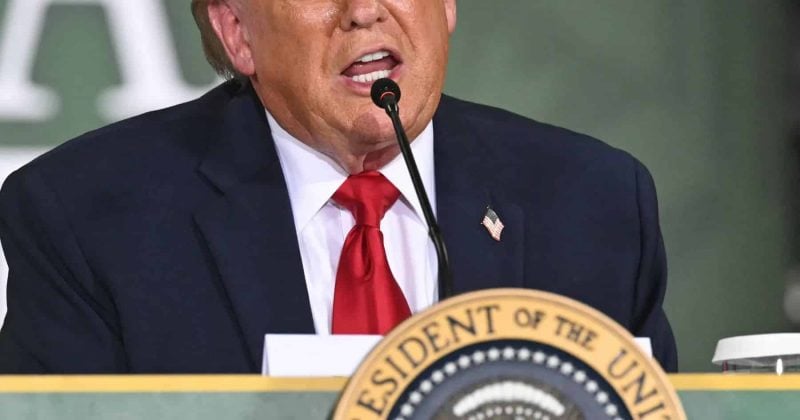
President Trump made his position on Iran’s frozen assets crystal clear on June 7: no deal, no money. The declaration sets up a high-stakes standoff with Tehran, which has been insisting that releasing billions in frozen funds is the prerequisite for even starting serious negotiations.

The negotiation deadlock

Here’s the core tension. Iran wants somewhere between $12 billion and $24 billion in frozen assets released before it comes to the table in earnest, framing it as a trust-building measure. Trump is essentially saying trust gets built after a deal is signed, not before.

This isn’t a new dance. Back in April 2026, the US had reportedly contemplated unfreezing roughly $20 billion in Iranian assets as part of stalled negotiations. That figure sits within Iran’s stated range, suggesting the two sides were at least in the same ballpark on the dollar amount before talks broke down.

Advertisement

The broader picture is even more staggering. Iran has over $100 billion in total frozen assets accumulated under years of US sanctions. That’s roughly the entire GDP of Morocco, locked up in accounts that Tehran can see but can’t touch.

Why crypto markets care about Iranian sanctions

The US government has seized approximately $1 billion in Iranian-linked digital assets since the conflict escalated. Sanctions have specifically targeted major Iranian crypto exchanges, including Nobitex, Wallex, Bitpin, and Ramzinex. These platforms were flagged for their roles in facilitating sanctions evasion and financing activities that the US considers threats to national security.

Following Trump’s earlier aggressive warnings about Iran and enforcement timelines, Bitcoin slipped to around $76,500, marking a two-week low. Ether dropped in tandem during what traders characterized as a broader selloff of risk assets tied to geopolitical uncertainty.

What this means for investors

For crypto holders, that means continued exposure to geopolitical volatility that has nothing to do with on-chain fundamentals or adoption metrics. The correlation between Trump’s Iran rhetoric and short-term crypto price action has been demonstrable. Every escalatory statement from Washington creates a potential window for sharp drawdowns in risk assets.

For traders operating on shorter timeframes, the playbook is relatively straightforward: watch the diplomatic headlines. The $76,500 Bitcoin drawdown following Trump’s earlier warnings wasn’t driven by whale movements or exchange flows. It was driven by a press conference.

Disclosure: This article was edited by Editorial Team. For more information on how we create and review content, see our Editorial Policy.

Trump says he won’t unfreeze Iran’s assets before peace deal, and crypto markets are paying attention

Trump says he won’t unfreeze Iran’s assets before peace deal, and crypto markets are paying attention

The standoff over tens of billions in frozen Iranian assets is creating ripple effects across risk markets, including Bitcoin and Ether.

President Trump made his position on Iran’s frozen assets crystal clear on June 7: no deal, no money. The declaration sets up a high-stakes standoff with Tehran, which has been insisting that releasing billions in frozen funds is the prerequisite for even starting serious negotiations.

The negotiation deadlock

Here’s the core tension. Iran wants somewhere between $12 billion and $24 billion in frozen assets released before it comes to the table in earnest, framing it as a trust-building measure. Trump is essentially saying trust gets built after a deal is signed, not before.

This isn’t a new dance. Back in April 2026, the US had reportedly contemplated unfreezing roughly $20 billion in Iranian assets as part of stalled negotiations. That figure sits within Iran’s stated range, suggesting the two sides were at least in the same ballpark on the dollar amount before talks broke down.

Advertisement

The broader picture is even more staggering. Iran has over $100 billion in total frozen assets accumulated under years of US sanctions. That’s roughly the entire GDP of Morocco, locked up in accounts that Tehran can see but can’t touch.

Why crypto markets care about Iranian sanctions

The US government has seized approximately $1 billion in Iranian-linked digital assets since the conflict escalated. Sanctions have specifically targeted major Iranian crypto exchanges, including Nobitex, Wallex, Bitpin, and Ramzinex. These platforms were flagged for their roles in facilitating sanctions evasion and financing activities that the US considers threats to national security.

Following Trump’s earlier aggressive warnings about Iran and enforcement timelines, Bitcoin slipped to around $76,500, marking a two-week low. Ether dropped in tandem during what traders characterized as a broader selloff of risk assets tied to geopolitical uncertainty.

What this means for investors

For crypto holders, that means continued exposure to geopolitical volatility that has nothing to do with on-chain fundamentals or adoption metrics. The correlation between Trump’s Iran rhetoric and short-term crypto price action has been demonstrable. Every escalatory statement from Washington creates a potential window for sharp drawdowns in risk assets.

For traders operating on shorter timeframes, the playbook is relatively straightforward: watch the diplomatic headlines. The $76,500 Bitcoin drawdown following Trump’s earlier warnings wasn’t driven by whale movements or exchange flows. It was driven by a press conference.

Disclosure: This article was edited by Editorial Team. For more information on how we create and review content, see our Editorial Policy.