
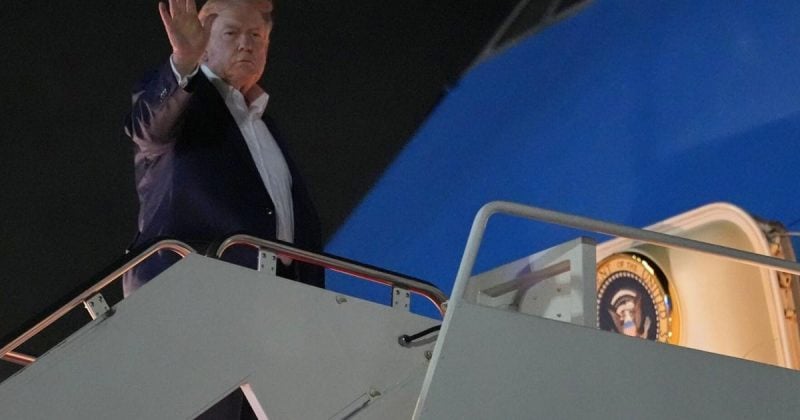
Trump calls Iran’s MOU strong, expects leadership to finalize deal
The memorandum of understanding introduces a ceasefire extension and commits to reopening the Strait of Hormuz toll-free, with a 60-day window for nuclear and sanctions talks.
President Donald Trump has publicly endorsed a memorandum of understanding with Iran, calling it “strong and detailed” and signaling that Iranian leadership is ready to close a broader deal. The MOU, electronically signed on June 15 by Trump, Vice President JD Vance, and Iranian parliamentary speaker Mohammad Bagher Ghalibaf, sets the stage for what could be the most significant US-Iran diplomatic breakthrough in decades.
A formal signing ceremony is planned for June 19-20 in Geneva. Between now and then, the document already carries weight: it extends an immediate ceasefire, commits Iran to reopening the Strait of Hormuz toll-free, and establishes a 60-day negotiation window covering sanctions relief and Iran’s nuclear program.
What the MOU actually does
The ceasefire extension halts a military conflict between the US, Israel, and Iran that has dragged on for more than 100 days in 2026. That conflict included significant military strikes from multiple parties and Iran’s closure of the Strait of Hormuz.
The Strait matters because roughly 20% of the world’s oil passes through it. When Iran shut it down earlier this year, global oil supplies took a direct hit. The agreement to reopen it toll-free is not just a diplomatic nicety. It is a pressure valve for the entire global energy market.
The document is reported to be around 1.5 pages, emphasizing immediate de-escalation measures without addressing all outstanding issues such as complete nuclear disarmament.
The news moving money, markets, and the world—before your day starts.
Daily. Free. Join 34,000+ readers across crypto, finance, and policy.
How crypto markets are reacting
Bitcoin and broader crypto markets posted gains following the MOU announcement. The MOU itself contains zero provisions related to cryptocurrency, blockchain, or digital assets. The market reaction is purely a sentiment play, driven by traders pricing in lower oil costs, reduced conflict risk, and a generally calmer macroeconomic backdrop.
The Strait of Hormuz reopening directly affects energy costs, which feed into inflation expectations, which influence central bank policy, which shapes the interest rate environment that crypto trades against.
The bigger picture
Trump is framing this agreement as the foundation for more extensive negotiations, not the finish line. The 60-day window for sanctions and nuclear talks is ambitious by any historical standard. Previous nuclear negotiations with Iran, most notably the 2015 JCPOA under the Obama administration, took years to reach a final agreement.
The involvement of Mohammad Bagher Ghalibaf as Iran’s signatory is also worth noting. As parliamentary speaker, he represents a significant faction of Iran’s political establishment, but he is not the supreme leader. Whether Ayatollah Khamenei fully endorses the MOU’s trajectory will determine whether those 60-day talks produce anything concrete.
What this means for investors
Watch the Geneva ceremony on June 19-20 for any changes in tone or scope. Watch oil futures for early signals on whether markets believe the Strait reopening will hold. And watch for any statements from Iran’s supreme leader, because until Khamenei speaks, the MOU is a promise from one faction of Iran’s government, not a guarantee from the state itself.