
Trump pursued nuclear deal with Iran amid military strike plans

Trump pursued nuclear deal with Iran amid military strike plans

The US reached an interim agreement with Tehran after months of simultaneous diplomacy and military preparation, with ripple effects across oil and crypto markets.

The Trump administration spent months walking a tightrope between bombing Iran and cutting a deal with it. In the end, diplomacy won, but only after a scheduled military strike was literally called off at the last minute.

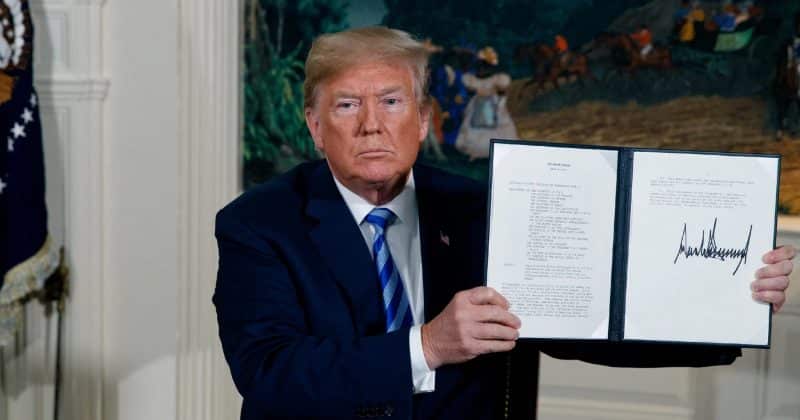
An interim Memorandum of Understanding between the US and Iran was signed electronically around June 15, 2026, extending a ceasefire and laying groundwork for formal nuclear negotiations. The agreement reaffirmed commitments against nuclear weapons development but left the thorny question of sanctions relief for later rounds of talks.

The dual-track strategy

The playbook started taking shape in February 2025, when Trump relaunched his “maximum pressure” campaign aimed at slashing Iran’s oil exports. This was familiar territory. Trump had pulled the US out of the JCPOA, the Obama-era nuclear deal, back on May 8, 2018, arguing the agreement didn’t adequately address Iran’s missile program or its regional influence.

Round two of maximum pressure came with upgraded tools: reinstated sanctions, military strikes, and explicit warnings that failing to reach a deal could trigger aggressive action.

Advertisement

On or around May 18, 2026, Trump canceled a scheduled military strike on Iran. The reason: a revised peace proposal transmitted through Pakistan suggested Tehran was ready to agree to meaningful limits on its nuclear ambitions. The proposal arrived just in time, turning what could have been a devastating escalation into renewed momentum for talks.

Less than a month later, the interim MoU was signed.

What the deal actually says, and what it doesn’t

The MoU reaffirmed Iran’s commitment not to develop nuclear weapons and established a structure for continued negotiations. What it conspicuously did not address: sanctions. The core economic grievances that have defined Iran’s posture for years were deferred to subsequent agreements.

The involvement of Pakistan as a diplomatic intermediary is also worth noting. Traditional channels between Washington and Tehran have been largely frozen since the US embassy hostage crisis in 1979. Using Islamabad as a conduit suggests both the creativity and the limitations of the current diplomatic infrastructure.

What this means for markets

The Strait of Hormuz, through which a massive share of global crude shipments pass, has been a pressure point throughout the US-Iran standoff. Any credible path toward de-escalation potentially eases supply concerns and puts downward pressure on energy prices.

Bitcoin showed notable price movements linked to de-escalation signals during the negotiation period. Prediction markets also saw elevated trading volumes around the negotiations’ outcomes, as platforms like Polymarket and Kalshi give traders direct exposure to binary outcomes that traditional markets can only approximate.

The canceled strike in May 2026 is a reminder of just how quickly the situation can pivot from diplomacy back to the brink of military conflict.

Disclosure: This article was edited by Editorial Team. For more information on how we create and review content, see our Editorial Policy.

Trump pursued nuclear deal with Iran amid military strike plans

Trump pursued nuclear deal with Iran amid military strike plans

The US reached an interim agreement with Tehran after months of simultaneous diplomacy and military preparation, with ripple effects across oil and crypto markets.

The Trump administration spent months walking a tightrope between bombing Iran and cutting a deal with it. In the end, diplomacy won, but only after a scheduled military strike was literally called off at the last minute.

An interim Memorandum of Understanding between the US and Iran was signed electronically around June 15, 2026, extending a ceasefire and laying groundwork for formal nuclear negotiations. The agreement reaffirmed commitments against nuclear weapons development but left the thorny question of sanctions relief for later rounds of talks.

The dual-track strategy

The playbook started taking shape in February 2025, when Trump relaunched his “maximum pressure” campaign aimed at slashing Iran’s oil exports. This was familiar territory. Trump had pulled the US out of the JCPOA, the Obama-era nuclear deal, back on May 8, 2018, arguing the agreement didn’t adequately address Iran’s missile program or its regional influence.

Round two of maximum pressure came with upgraded tools: reinstated sanctions, military strikes, and explicit warnings that failing to reach a deal could trigger aggressive action.

Advertisement

On or around May 18, 2026, Trump canceled a scheduled military strike on Iran. The reason: a revised peace proposal transmitted through Pakistan suggested Tehran was ready to agree to meaningful limits on its nuclear ambitions. The proposal arrived just in time, turning what could have been a devastating escalation into renewed momentum for talks.

Less than a month later, the interim MoU was signed.

What the deal actually says, and what it doesn’t

The MoU reaffirmed Iran’s commitment not to develop nuclear weapons and established a structure for continued negotiations. What it conspicuously did not address: sanctions. The core economic grievances that have defined Iran’s posture for years were deferred to subsequent agreements.

The involvement of Pakistan as a diplomatic intermediary is also worth noting. Traditional channels between Washington and Tehran have been largely frozen since the US embassy hostage crisis in 1979. Using Islamabad as a conduit suggests both the creativity and the limitations of the current diplomatic infrastructure.

What this means for markets

The Strait of Hormuz, through which a massive share of global crude shipments pass, has been a pressure point throughout the US-Iran standoff. Any credible path toward de-escalation potentially eases supply concerns and puts downward pressure on energy prices.

Bitcoin showed notable price movements linked to de-escalation signals during the negotiation period. Prediction markets also saw elevated trading volumes around the negotiations’ outcomes, as platforms like Polymarket and Kalshi give traders direct exposure to binary outcomes that traditional markets can only approximate.

The canceled strike in May 2026 is a reminder of just how quickly the situation can pivot from diplomacy back to the brink of military conflict.

Disclosure: This article was edited by Editorial Team. For more information on how we create and review content, see our Editorial Policy.