
Nexo Earn with Nexo
Trump says Strait of Hormuz will open immediately under Iran deal, Bitcoin rallies on de-escalation hopes

Trump says Strait of Hormuz will open immediately under Iran deal, Bitcoin rallies on de-escalation hopes

A largely negotiated agreement could reopen one of the world's most critical oil shipping lanes, easing geopolitical risk that has weighed on crypto and energy markets alike.

President Donald Trump announced on May 23 that a deal with Iran regarding the Strait of Hormuz has been “largely negotiated,” with a formal announcement expected soon. The agreement, if finalized, would reopen the strait to international shipping and ensure it remains free from any single country’s control.

Bitcoin moved higher immediately following the news. Traders are reading the potential de-escalation as a net positive for risk assets broadly, and crypto is no exception.

What the deal actually looks like

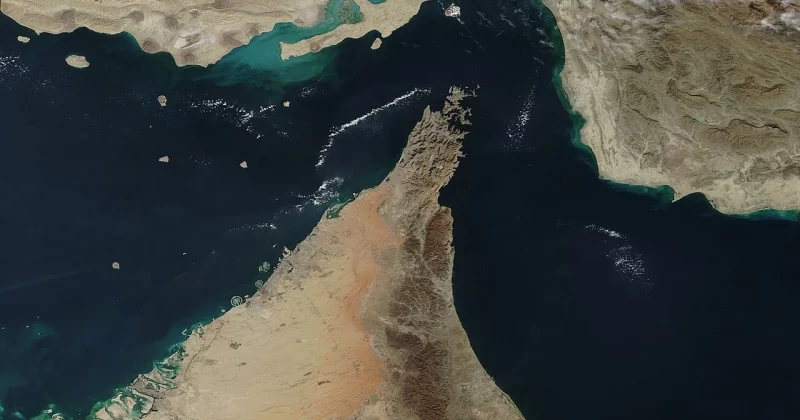
The Strait of Hormuz is a narrow waterway between Iran and Oman that handles roughly 25% of the world’s oil trade.

Advertisement

The proposed framework centers on a 60-day memorandum of understanding. Under that ceasefire window, the US would lift its naval blockade and Iran would be allowed to resume oil exports. The 60 days are meant to serve as a cooling-off period, creating space for deeper negotiations around Iran’s nuclear program, particularly its enriched uranium stockpiles.

Trump characterized the agreement as nearly complete, though Iranian officials have pushed back on certain details and timelines. State media in Tehran has floated the possibility of a faster reopening, suggesting the strait could be fully reinstated within 30 days rather than the 60-day window the US has proposed. The White House, for its part, has dismissed some of Iran’s public statements as fabrications.

Why crypto cares about a shipping lane

The Hormuz announcement triggered a risk-on shift. Bitcoin prices ticked upward as the news broke, reflecting optimism that one of the world’s most persistent geopolitical flashpoints might cool down.

The history behind the tension

Iran took actions to effectively close the strait, imposing tolls on shipping, while the US responded with naval operations to reinforce a blockade on Iranian oil exports. A temporary ceasefire was brokered in early April 2026, offering a brief respite from hostilities, but the full reopening of the strait remained elusive amid complex negotiations.

The proposed 60-day ceasefire is designed to break that cycle, at least temporarily, acknowledging that neither side benefits from a prolonged standoff in a waterway that handles roughly 25% of the world’s oil trade.

What this means for investors

If the deal progresses as outlined, the easing of blockades and the resumption of Iranian oil exports could stabilize global energy prices. But Iranian officials disputing the timeline introduces real uncertainty. If negotiations stall or break down entirely, the initial optimism could reverse quickly.

The 60-day window itself is the proving ground. If both sides honor the memorandum of understanding, it builds credibility for the longer-term nuclear negotiations. If either side defects early, the whole framework collapses.

Disclosure: This article was edited by Editorial Team. For more information on how we create and review content, see our Editorial Policy.

Trump says Strait of Hormuz will open immediately under Iran deal, Bitcoin rallies on de-escalation hopes

Trump says Strait of Hormuz will open immediately under Iran deal, Bitcoin rallies on de-escalation hopes

A largely negotiated agreement could reopen one of the world's most critical oil shipping lanes, easing geopolitical risk that has weighed on crypto and energy markets alike.

President Donald Trump announced on May 23 that a deal with Iran regarding the Strait of Hormuz has been “largely negotiated,” with a formal announcement expected soon. The agreement, if finalized, would reopen the strait to international shipping and ensure it remains free from any single country’s control.

Bitcoin moved higher immediately following the news. Traders are reading the potential de-escalation as a net positive for risk assets broadly, and crypto is no exception.

What the deal actually looks like

The Strait of Hormuz is a narrow waterway between Iran and Oman that handles roughly 25% of the world’s oil trade.

Advertisement

The proposed framework centers on a 60-day memorandum of understanding. Under that ceasefire window, the US would lift its naval blockade and Iran would be allowed to resume oil exports. The 60 days are meant to serve as a cooling-off period, creating space for deeper negotiations around Iran’s nuclear program, particularly its enriched uranium stockpiles.

Trump characterized the agreement as nearly complete, though Iranian officials have pushed back on certain details and timelines. State media in Tehran has floated the possibility of a faster reopening, suggesting the strait could be fully reinstated within 30 days rather than the 60-day window the US has proposed. The White House, for its part, has dismissed some of Iran’s public statements as fabrications.

Why crypto cares about a shipping lane

The Hormuz announcement triggered a risk-on shift. Bitcoin prices ticked upward as the news broke, reflecting optimism that one of the world’s most persistent geopolitical flashpoints might cool down.

The history behind the tension

Iran took actions to effectively close the strait, imposing tolls on shipping, while the US responded with naval operations to reinforce a blockade on Iranian oil exports. A temporary ceasefire was brokered in early April 2026, offering a brief respite from hostilities, but the full reopening of the strait remained elusive amid complex negotiations.

The proposed 60-day ceasefire is designed to break that cycle, at least temporarily, acknowledging that neither side benefits from a prolonged standoff in a waterway that handles roughly 25% of the world’s oil trade.

What this means for investors

If the deal progresses as outlined, the easing of blockades and the resumption of Iranian oil exports could stabilize global energy prices. But Iranian officials disputing the timeline introduces real uncertainty. If negotiations stall or break down entirely, the initial optimism could reverse quickly.

The 60-day window itself is the proving ground. If both sides honor the memorandum of understanding, it builds credibility for the longer-term nuclear negotiations. If either side defects early, the whole framework collapses.

Disclosure: This article was edited by Editorial Team. For more information on how we create and review content, see our Editorial Policy.