
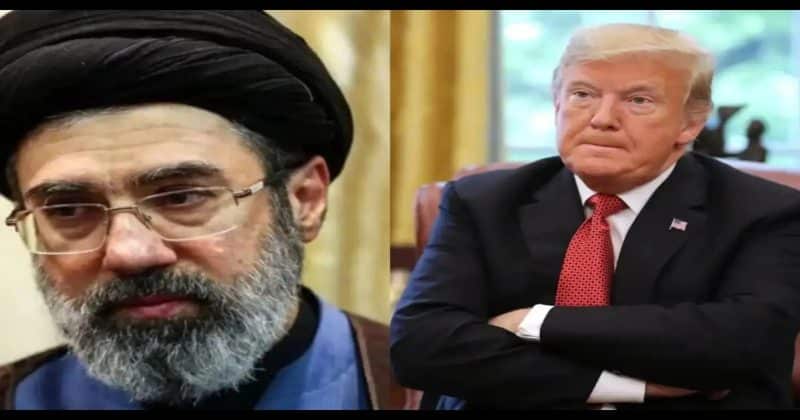
Trump cites progress in indirect Iran talks as crypto markets eye lasting peace

Trump cites progress in indirect Iran talks as crypto markets eye lasting peace

The Islamabad Memorandum and ongoing negotiations could reshape geopolitical risk calculus for digital asset investors

President Donald Trump said indirect negotiations with Iran have made meaningful progress, with the goal of converting a fragile ceasefire into something more permanent. The announcement signals a potential turning point in a conflict that has rattled energy markets, reshaped US foreign policy in the Middle East, and sent ripple effects through the crypto sector for much of 2026.

The talks, brokered through Pakistan, Oman, and Qatar, have been conducted across Doha, Islamabad, and Muscat. Trump described the pace of negotiations as “rapid” in remarks made in early June, and the diplomatic momentum culminated in the Islamabad Memorandum, remotely signed by Trump and Iranian President Masoud Pezeshkian on June 17, 2026.

From ceasefire to formal agreement

The conflict between the US and Iran escalated sharply around February 28, 2026, leading to direct military actions and heightened US involvement in the region. A two-week ceasefire was established in April 2026, buying both sides time to explore diplomatic channels. That temporary pause was extended multiple times, with each extension serving as a foundation for deeper peace talks.

Advertisement

The diplomatic push reportedly intensified after Trump sent a letter to Supreme Leader Ali Khamenei earlier in 2026. The Islamabad Memorandum represents the most concrete outcome so far. Negotiations remain ongoing as of July 2026, with critical sticking points still on the table: nuclear limitations, sanctions relief, and the reopening of the Strait of Hormuz.

Iranian officials have intermittently disagreed about negotiation priorities, which adds a layer of unpredictability.

Crypto markets respond to de-escalation

Bitcoin surged past $67,000 following confirmation of the peace agreement on June 17. The broader crypto market cap rose by 4.7% in the same period, reflecting a clear shift toward risk-on sentiment.

During the escalation phase of the conflict, the Trump administration froze $344 million in Iranian-linked digital assets. That enforcement action served as a stark reminder that crypto, despite its decentralized ethos, is not immune to the long arm of US sanctions policy.

What this means for investors

Bitcoin’s jump above $67,000 and the 4.7% market cap increase suggest the market is already pricing in some probability of a successful outcome. If peace holds and sanctions are eventually eased as part of a broader deal, questions about what happens to the frozen $344 million in Iranian-linked crypto assets will inevitably surface.

The mediating nations, Pakistan, Oman, and Qatar, have their own strategic interests in brokering a deal. Iran’s internal disagreements about priorities suggest the path forward is far from guaranteed.

Disclosure: This article was edited by Editorial Team. For more information on how we create and review content, see our Editorial Policy.

Trump cites progress in indirect Iran talks as crypto markets eye lasting peace

Trump cites progress in indirect Iran talks as crypto markets eye lasting peace

The Islamabad Memorandum and ongoing negotiations could reshape geopolitical risk calculus for digital asset investors

President Donald Trump said indirect negotiations with Iran have made meaningful progress, with the goal of converting a fragile ceasefire into something more permanent. The announcement signals a potential turning point in a conflict that has rattled energy markets, reshaped US foreign policy in the Middle East, and sent ripple effects through the crypto sector for much of 2026.

The talks, brokered through Pakistan, Oman, and Qatar, have been conducted across Doha, Islamabad, and Muscat. Trump described the pace of negotiations as “rapid” in remarks made in early June, and the diplomatic momentum culminated in the Islamabad Memorandum, remotely signed by Trump and Iranian President Masoud Pezeshkian on June 17, 2026.

From ceasefire to formal agreement

The conflict between the US and Iran escalated sharply around February 28, 2026, leading to direct military actions and heightened US involvement in the region. A two-week ceasefire was established in April 2026, buying both sides time to explore diplomatic channels. That temporary pause was extended multiple times, with each extension serving as a foundation for deeper peace talks.

Advertisement

The diplomatic push reportedly intensified after Trump sent a letter to Supreme Leader Ali Khamenei earlier in 2026. The Islamabad Memorandum represents the most concrete outcome so far. Negotiations remain ongoing as of July 2026, with critical sticking points still on the table: nuclear limitations, sanctions relief, and the reopening of the Strait of Hormuz.

Iranian officials have intermittently disagreed about negotiation priorities, which adds a layer of unpredictability.

Crypto markets respond to de-escalation

Bitcoin surged past $67,000 following confirmation of the peace agreement on June 17. The broader crypto market cap rose by 4.7% in the same period, reflecting a clear shift toward risk-on sentiment.

During the escalation phase of the conflict, the Trump administration froze $344 million in Iranian-linked digital assets. That enforcement action served as a stark reminder that crypto, despite its decentralized ethos, is not immune to the long arm of US sanctions policy.

What this means for investors

Bitcoin’s jump above $67,000 and the 4.7% market cap increase suggest the market is already pricing in some probability of a successful outcome. If peace holds and sanctions are eventually eased as part of a broader deal, questions about what happens to the frozen $344 million in Iranian-linked crypto assets will inevitably surface.

The mediating nations, Pakistan, Oman, and Qatar, have their own strategic interests in brokering a deal. Iran’s internal disagreements about priorities suggest the path forward is far from guaranteed.

Disclosure: This article was edited by Editorial Team. For more information on how we create and review content, see our Editorial Policy.