
Trump threatens military action if Iran nuclear deal falls through, rattling crypto markets
Sanctions on Iranian crypto exchanges and a billion-dollar asset seizure campaign underscore how digital currencies are now a frontline tool in geopolitical standoffs.
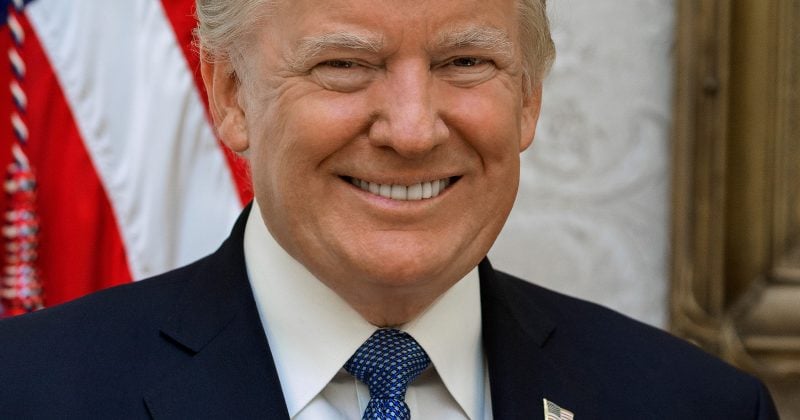
President Donald Trump has made it clear: if he doesn’t like the deal on the table with Iran, the US will resort to military force. Trump initially issued a 10-day deadline on February 20, 2026, demanding Iran commit to a nuclear agreement or face potential strikes. On prediction platform Polymarket, odds of US military strikes against Iran sat at 46% as of June 17, 2026, a notable decline from a peak of 66.9%.
The crypto front in economic warfare
On June 2, 2026, the US Treasury sanctioned several Iranian cryptocurrency exchanges, including Nobitex, Wallex, and Bitpin. Nobitex handles a significant share of Iranian crypto transactions, making it a high-value target. The Treasury cited ties between these platforms and the Islamic Revolutionary Guard Corps (IRGC) as justification for the action.
The sanctions came alongside a broader initiative the US has dubbed “Operation Economic Fury.” Under that campaign, authorities have seized approximately $1 billion in Iranian-linked digital assets.
Bitcoin caught in the crossfire
Bitcoin prices have swung sharply in response to the evolving situation, rebounding above $70,000 on days when negotiation updates sounded optimistic and pulling back when military threats resurfaced. When Polymarket odds peaked near 67%, risk-off behavior dominated crypto trading. As they drifted back toward 46%, some of that pressure eased.
The news moving money, markets, and the world—before your day starts.
Daily. Free. Join 34,000+ readers across crypto, finance, and policy.
What this means for crypto investors
The sanctions on Nobitex, Wallex, and Bitpin create compliance obligations for every exchange, custodian, and DeFi protocol that touches those addresses. The $1 billion seizure figure from Operation Economic Fury reinforces that US authorities have both the capability and the appetite to pursue these cases aggressively.