
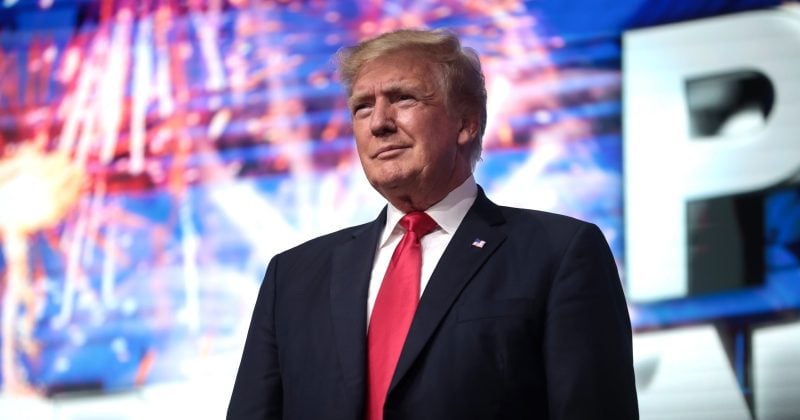
Trump replaces expiring tariffs with new duties on 60 economies

Trump replaces expiring tariffs with new duties on 60 economies

New rates of 10% and 12.5% take effect July 24, replacing a temporary global tariff that expired the same day

The temporary tariff was always going to expire. The question was whether Washington would let it go quietly or use the moment to double down. We now have the answer.

President Donald Trump’s administration has rolled out a new set of import duties on goods from 60 economies, effective July 24, 2026. The rates sit at either 10% or 12.5%, depending on the trading partner, and they arrived precisely as a temporary 10% global tariff expired on the same date.

How this is legally justified

The legal foundation here matters, because the administration’s earlier tariff strategy ran into serious trouble in court.

Advertisement

A Supreme Court ruling in February 2026 struck down the prior reciprocal tariff framework, which had been the centerpiece of Trump’s first wave of trade measures in this term. That ruling forced the White House to find a different legal hook.

They found it in Section 301 of the Trade Act of 1974. In English: Section 301 allows the executive branch to impose tariffs when it determines that a foreign country’s trade practices are unfair or harmful to U.S. commerce. The administration is specifically citing insufficient enforcement of bans on goods produced with forced labor as the rationale for these new duties.

Most of the affected economies have already pushed back on the forced-labor framing, characterizing it as a pretext rather than a genuine policy concern. Notably, none of the major affected parties, including the European Union, have announced retaliatory measures so far. Instead, they’ve signaled a preference for continued negotiations.

Goods that were already in transit before July 24 get a brief grace period. Those shipments are exempt from the new duties until July 28, 2026, giving traders a narrow window to clear existing cargo without incurring the additional costs.

The bigger picture on U.S. trade strategy

The Section 301 route is well-established, having been used extensively during Trump’s first term to justify tariffs on Chinese goods. Expanding it to a forced-labor rationale applied to 60 countries simultaneously is a significant escalation of that approach.

The EU’s inclusion in the affected group is particularly notable. Transatlantic trade relations have been a recurring flashpoint, and European officials have been careful to avoid open conflict while quietly building legal and diplomatic responses. The preference for negotiation over retaliation suggests that major trading partners still believe a deal is possible.

Disclosure: This article was edited by Editorial Team. For more information on how we create and review content, see our Editorial Policy.

Trump replaces expiring tariffs with new duties on 60 economies

Trump replaces expiring tariffs with new duties on 60 economies

New rates of 10% and 12.5% take effect July 24, replacing a temporary global tariff that expired the same day

The temporary tariff was always going to expire. The question was whether Washington would let it go quietly or use the moment to double down. We now have the answer.

President Donald Trump’s administration has rolled out a new set of import duties on goods from 60 economies, effective July 24, 2026. The rates sit at either 10% or 12.5%, depending on the trading partner, and they arrived precisely as a temporary 10% global tariff expired on the same date.

How this is legally justified

The legal foundation here matters, because the administration’s earlier tariff strategy ran into serious trouble in court.

Advertisement

A Supreme Court ruling in February 2026 struck down the prior reciprocal tariff framework, which had been the centerpiece of Trump’s first wave of trade measures in this term. That ruling forced the White House to find a different legal hook.

They found it in Section 301 of the Trade Act of 1974. In English: Section 301 allows the executive branch to impose tariffs when it determines that a foreign country’s trade practices are unfair or harmful to U.S. commerce. The administration is specifically citing insufficient enforcement of bans on goods produced with forced labor as the rationale for these new duties.

Most of the affected economies have already pushed back on the forced-labor framing, characterizing it as a pretext rather than a genuine policy concern. Notably, none of the major affected parties, including the European Union, have announced retaliatory measures so far. Instead, they’ve signaled a preference for continued negotiations.

Goods that were already in transit before July 24 get a brief grace period. Those shipments are exempt from the new duties until July 28, 2026, giving traders a narrow window to clear existing cargo without incurring the additional costs.

The bigger picture on U.S. trade strategy

The Section 301 route is well-established, having been used extensively during Trump’s first term to justify tariffs on Chinese goods. Expanding it to a forced-labor rationale applied to 60 countries simultaneously is a significant escalation of that approach.

The EU’s inclusion in the affected group is particularly notable. Transatlantic trade relations have been a recurring flashpoint, and European officials have been careful to avoid open conflict while quietly building legal and diplomatic responses. The preference for negotiation over retaliation suggests that major trading partners still believe a deal is possible.

Disclosure: This article was edited by Editorial Team. For more information on how we create and review content, see our Editorial Policy.