
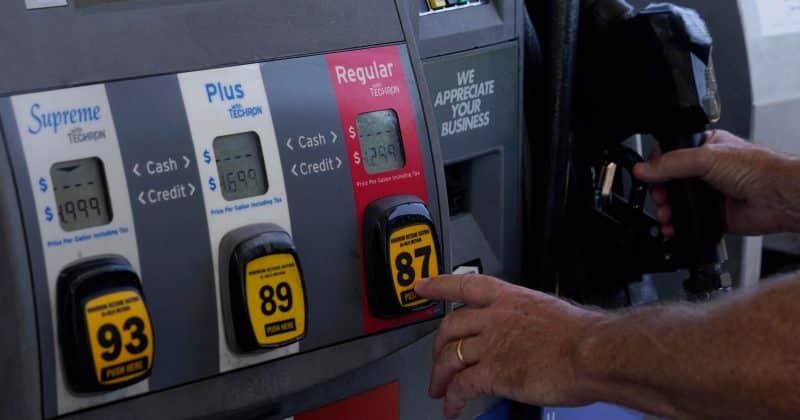
Trump orders US gasoline retailers to drop gas prices to $2.50 per gallon
The president threatened "big problems" for retailers who don't comply, but the directive carries no clear enforcement mechanism.
President Donald Trump posted on Truth Social on June 29 demanding that gasoline retailers across the country immediately cut prices to around $2.50 per gallon. He warned of “big problems” for those who refuse.
The national average at the time sat somewhere between $3.11 and $3.86 per gallon, depending on the source and exact timing. In other words, Trump is asking retailers to slash prices by roughly 20% to 35% overnight.
The DOJ investigation adds teeth to the rhetoric
Five days before the Truth Social post, on June 24, Trump called for a Department of Justice investigation into major oil companies, including Chevron and Exxon. The allegation: these companies have failed to pass declining crude oil prices through to consumers at the pump.
Crude prices have been falling thanks to easing geopolitical tensions in the Middle East, particularly around Iran and the Strait of Hormuz.
Chevron’s CFO acknowledged on June 25 that normalizing prices at the pump would take time, pointing to structural challenges within refining and distribution. Other major firms have signaled similar reluctance to make immediate changes.
The news moving money, markets, and the world—before your day starts.
Daily. Free. Join 34,000+ readers across crypto, finance, and policy.
Trump also took aim at state-level gasoline taxes, singling out California as a particularly egregious example. California’s gas taxes and environmental fees are among the highest in the nation.
What investors should actually watch
The DOJ investigation is the real variable here, not the Truth Social post. If the investigation results in formal charges or consent decrees against major oil companies, the energy sector faces genuine regulatory risk. Chevron and Exxon are massive components of energy ETFs and dividend portfolios.
Chevron’s CFO essentially telegraphed a gradual outcome when he said normalization would require time.
The upcoming election cycle makes all of this more combustible. Energy pricing is one of the most viscerally felt economic issues for voters, and the administration has portrayed its actions as fighting perceived price gouging in the market.