
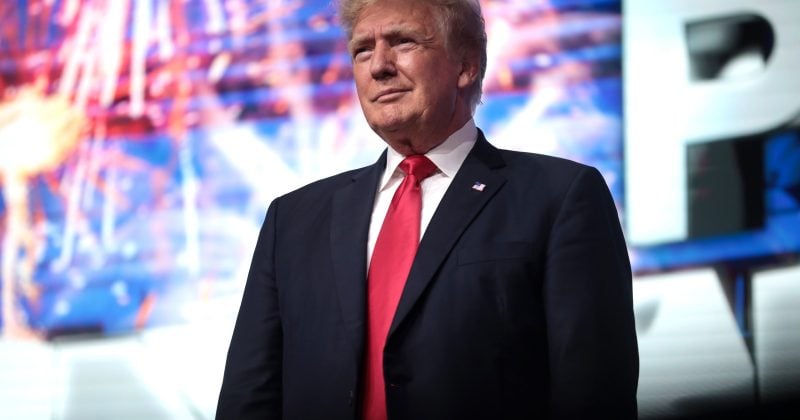
Trump pushes NATO allies for 5% GDP defense spending by 2035 at Ankara summit

https://es.wikipedia.org/wiki/Donald_Trump

Trump pushes NATO allies for 5% GDP defense spending by 2035 at Ankara summit

US x Russia military clash

President Trump’s diplomatic efforts at the 2026 NATO Summit in Ankara appear to be reinforcing the alliance through increased accountability and strengthened alliances. The summit focused on key issues such as the Russia-Ukraine war and the potential US-Iran conflict. Notably, Trump emphasized the need for European allies to boost their defense spending to 5% of GDP by 2035, a commitment agreed upon at the previous Hague Summit. The US President also reiterated the threat of withdrawing US troops from Europe if burden-sharing does not improve, which could escalate transatlantic tensions. Observers suggest that Trump’s actions may lead to a more cohesive NATO, potentially decreasing the likelihood of direct military confrontations involving the US and Russia.

Advertisement

Key Takeaways

  • Trump’s diplomatic tour appears to demand greater accountability from NATO allies, consistent with reducing US-Russia military clash odds.
  • The emphasis on increased defense spending by European nations suggests a shift towards a more balanced burden-sharing within NATO.
  • Market pricing implies that the strengthened alliances could reduce the probability of a direct US-Russia military encounter.

What to Watch

Observers will be keen to see if European nations follow through on the defense spending commitments made at the summit. Additionally, any changes in US troop deployments in Europe could indicate shifts in US military strategy, with implications for NATO’s cohesion. Market participants may also monitor Russian responses to these developments, as they could influence the odds of a military clash by the end of 2026.

Get prediction market intelligence as a structured API feed. Early access waitlist.

Disclosure: This article was edited by Estefano Gomez. For more information on how we create and review content, see our Editorial Policy.

Trump pushes NATO allies for 5% GDP defense spending by 2035 at Ankara summit

Trump pushes NATO allies for 5% GDP defense spending by 2035 at Ankara summit

US x Russia military clash

https://es.wikipedia.org/wiki/Donald_Trump

President Trump’s diplomatic efforts at the 2026 NATO Summit in Ankara appear to be reinforcing the alliance through increased accountability and strengthened alliances. The summit focused on key issues such as the Russia-Ukraine war and the potential US-Iran conflict. Notably, Trump emphasized the need for European allies to boost their defense spending to 5% of GDP by 2035, a commitment agreed upon at the previous Hague Summit. The US President also reiterated the threat of withdrawing US troops from Europe if burden-sharing does not improve, which could escalate transatlantic tensions. Observers suggest that Trump’s actions may lead to a more cohesive NATO, potentially decreasing the likelihood of direct military confrontations involving the US and Russia.

Advertisement

Key Takeaways

  • Trump’s diplomatic tour appears to demand greater accountability from NATO allies, consistent with reducing US-Russia military clash odds.
  • The emphasis on increased defense spending by European nations suggests a shift towards a more balanced burden-sharing within NATO.
  • Market pricing implies that the strengthened alliances could reduce the probability of a direct US-Russia military encounter.

What to Watch

Observers will be keen to see if European nations follow through on the defense spending commitments made at the summit. Additionally, any changes in US troop deployments in Europe could indicate shifts in US military strategy, with implications for NATO’s cohesion. Market participants may also monitor Russian responses to these developments, as they could influence the odds of a military clash by the end of 2026.

Get prediction market intelligence as a structured API feed. Early access waitlist.

Disclosure: This article was edited by Estefano Gomez. For more information on how we create and review content, see our Editorial Policy.