
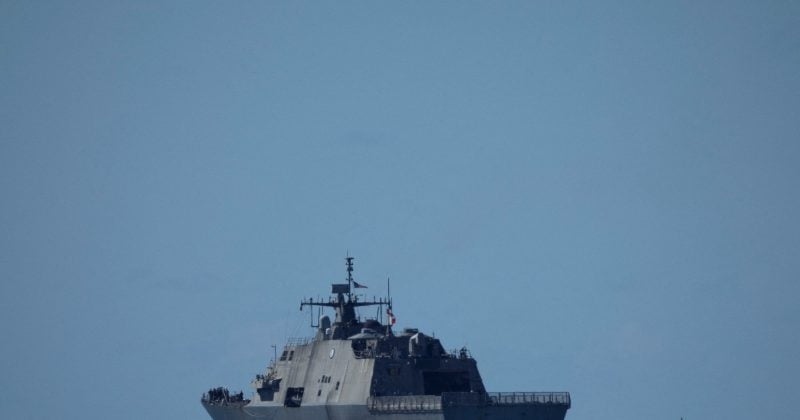
Trump reports oil-laden ships moving out of Strait of Hormuz as US military escorts tankers through Iranian blockade
The critical waterway has been severely restricted since late February, with tanker traffic dropping to a fraction of normal levels and Iran demanding crypto-based transit fees
President Trump announced that ships loaded with oil have started moving out of the Strait of Hormuz, a development tied to US military efforts to force open the critical waterway that Iran effectively blocked months ago.
On June 10, Trump stated that US military action had facilitated the passage of over 100 million barrels of oil and more than 200 commercial ships through the strait. As of June 12, approximately 7 million barrels of oil per day were reportedly being escorted by US military forces through the contested waters.
A blockade that reshaped energy flows
Iran’s restrictions on shipping through the Strait of Hormuz began around February 28, 2026. At its worst, tanker traffic through the strait fell to roughly 15% of pre-war levels.
Despite the Trump administration’s framing of the situation as a success story, reporting from outlets including The New York Times has indicated that actual traffic levels have not seen substantial recovery.
Iran’s crypto twist
Iran has implemented, or at minimum demanded, transit fees payable in cryptocurrency for ships passing through the strait. The reported rates sit at approximately $1 per barrel of oil and up to $2 million per vessel.
Bitcoin prices have shown sensitivity to developments in the Hormuz standoff, with the cryptocurrency rising to over $65,500 following announcements related to peace negotiations.
What this means for investors
A tentative peace framework discussed in mid-June has the potential to reopen the strait. A reopened strait would remove the immediate supply constraint on oil, likely ease some of the geopolitical risk premium baked into crypto prices, and reduce the urgency of Iran’s crypto-payment demands.