
UAE condemns Iranian drone attack on Saudi oil tanker as oil prices spike and Bitcoin enters Gulf shipping dynamics

UAE condemns Iranian drone attack on Saudi oil tanker as oil prices spike and Bitcoin enters Gulf shipping dynamics

A drone strike in the Strait of Hormuz sent Brent crude surging past $112, while Iran's reported Bitcoin transit toll adds a strange new layer to Gulf tensions.

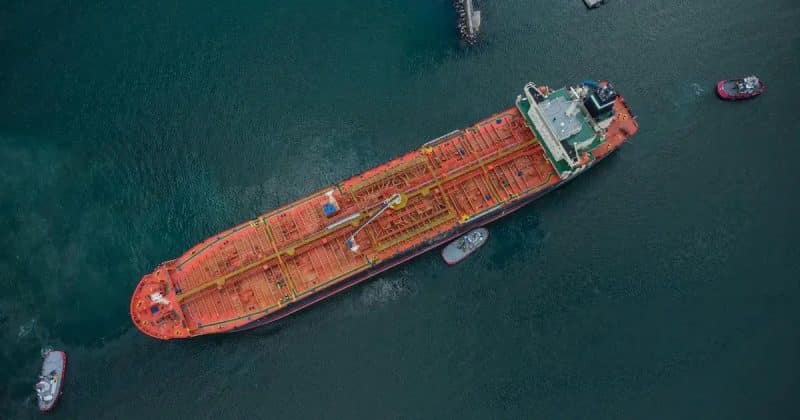
Two Iranian drones targeted the ADNOC-affiliated crude oil tanker Barakah as it transited the Strait of Hormuz on May 4, marking the latest escalation in a Gulf shipping crisis that now touches both traditional energy markets and crypto. Oil prices jumped roughly 3.4% to around $112 per barrel on the news.

The UAE Ministry of Foreign Affairs wasted no time, calling the incident a “terrorist attack” and an act of “piracy” that violated international law. No crew members were injured, and no cargo was lost, but the diplomatic damage was immediate and significant.

What happened in the Strait

The attack involved two drones striking the Barakah during its passage through one of the world’s most critical oil chokepoints. Roughly 20% of globally traded petroleum passes through the Strait of Hormuz on any given day, which makes every incident there a market-moving event.

Advertisement

This wasn’t an isolated episode. The strike came amid a broader pattern of escalating hostility in the Gulf, including US-Iran naval standoffs and multiple attacks on commercial shipping vessels. Oil prices had already exceeded $100 per barrel due to persistent disruptions before this latest incident pushed them higher.

The UAE’s response framed the attack as a direct threat to regional stability and freedom of navigation. Saudi Arabia and other members of the Gulf Cooperation Council also condemned the attack, reflecting a unified regional stance against Iranian aggression.

Iran’s Bitcoin transit toll

Reports indicate that Iran began imposing a Bitcoin-denominated transit fee on tankers passing through contested waters, reportedly around $1 per barrel, starting in April 2026. Bitcoin doesn’t route through correspondent banks in New York and isn’t subject to SWIFT bans, giving a sanctions-hit nation a currency that’s harder to freeze than dollars or euros.

Whether this toll is actually being enforced consistently, or whether it’s more of a symbolic provocation, remains an open question. But the mere fact that a state actor is linking petroleum transit to cryptocurrency payments represents a genuinely novel development in both energy geopolitics and crypto adoption.

What this means for markets

Brent crude at $112 per barrel means higher energy costs rippling through every economy on the planet. Oil was trading below $80 as recently as late 2024.

If Iran continues collecting Bitcoin transit fees from tankers, that creates a small but persistent source of BTC demand tied directly to oil volumes. It also creates regulatory headaches for any shipping company that complies, since paying fees to a sanctioned nation in any currency, including crypto, likely violates Western sanctions regimes.

Traders should watch for whether other Gulf states or the US respond with countermeasures that specifically target crypto payment channels, whether Bitcoin’s correlation with oil prices tightens in coming weeks, and whether the attack prompts shipping insurance premiums to spike, which historically compounds the oil price impact of Strait of Hormuz disruptions.

Disclosure: This article was edited by Editorial Team. For more information on how we create and review content, see our Editorial Policy.

UAE condemns Iranian drone attack on Saudi oil tanker as oil prices spike and Bitcoin enters Gulf shipping dynamics

UAE condemns Iranian drone attack on Saudi oil tanker as oil prices spike and Bitcoin enters Gulf shipping dynamics

A drone strike in the Strait of Hormuz sent Brent crude surging past $112, while Iran's reported Bitcoin transit toll adds a strange new layer to Gulf tensions.

Two Iranian drones targeted the ADNOC-affiliated crude oil tanker Barakah as it transited the Strait of Hormuz on May 4, marking the latest escalation in a Gulf shipping crisis that now touches both traditional energy markets and crypto. Oil prices jumped roughly 3.4% to around $112 per barrel on the news.

The UAE Ministry of Foreign Affairs wasted no time, calling the incident a “terrorist attack” and an act of “piracy” that violated international law. No crew members were injured, and no cargo was lost, but the diplomatic damage was immediate and significant.

What happened in the Strait

The attack involved two drones striking the Barakah during its passage through one of the world’s most critical oil chokepoints. Roughly 20% of globally traded petroleum passes through the Strait of Hormuz on any given day, which makes every incident there a market-moving event.

Advertisement

This wasn’t an isolated episode. The strike came amid a broader pattern of escalating hostility in the Gulf, including US-Iran naval standoffs and multiple attacks on commercial shipping vessels. Oil prices had already exceeded $100 per barrel due to persistent disruptions before this latest incident pushed them higher.

The UAE’s response framed the attack as a direct threat to regional stability and freedom of navigation. Saudi Arabia and other members of the Gulf Cooperation Council also condemned the attack, reflecting a unified regional stance against Iranian aggression.

Iran’s Bitcoin transit toll

Reports indicate that Iran began imposing a Bitcoin-denominated transit fee on tankers passing through contested waters, reportedly around $1 per barrel, starting in April 2026. Bitcoin doesn’t route through correspondent banks in New York and isn’t subject to SWIFT bans, giving a sanctions-hit nation a currency that’s harder to freeze than dollars or euros.

Whether this toll is actually being enforced consistently, or whether it’s more of a symbolic provocation, remains an open question. But the mere fact that a state actor is linking petroleum transit to cryptocurrency payments represents a genuinely novel development in both energy geopolitics and crypto adoption.

What this means for markets

Brent crude at $112 per barrel means higher energy costs rippling through every economy on the planet. Oil was trading below $80 as recently as late 2024.

If Iran continues collecting Bitcoin transit fees from tankers, that creates a small but persistent source of BTC demand tied directly to oil volumes. It also creates regulatory headaches for any shipping company that complies, since paying fees to a sanctioned nation in any currency, including crypto, likely violates Western sanctions regimes.

Traders should watch for whether other Gulf states or the US respond with countermeasures that specifically target crypto payment channels, whether Bitcoin’s correlation with oil prices tightens in coming weeks, and whether the attack prompts shipping insurance premiums to spike, which historically compounds the oil price impact of Strait of Hormuz disruptions.

Disclosure: This article was edited by Editorial Team. For more information on how we create and review content, see our Editorial Policy.