
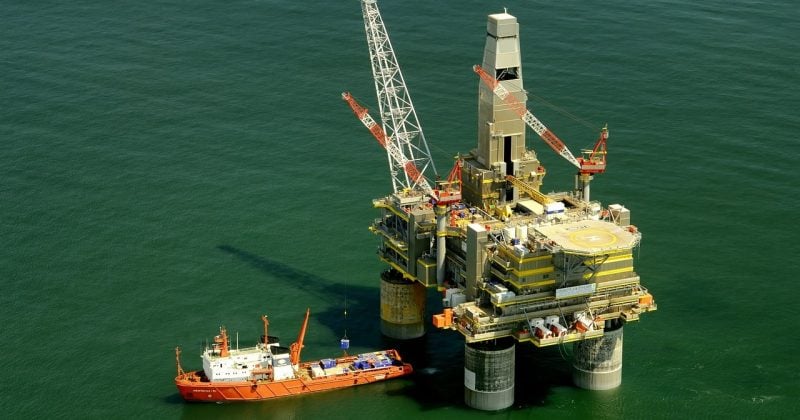
UAE boosts crude oil production to all-time high after OPEC exit, and crypto miners are paying attention
The country's record 3.8 million barrels per day marks a new chapter for Gulf energy policy, with ripple effects reaching Bitcoin mining economics and sovereign digital asset strategy.
The UAE just hit a crude oil production record north of 3.8 million barrels per day in June 2026, the highest level since April 2020. The timing is not a coincidence.
This production milestone arrived barely two months after the UAE formally exited OPEC and OPEC+ on May 1, 2026, freeing itself from the cartel’s production quotas that had historically limited the country’s output to between 3 and 3.4 million bpd.
What the numbers look like
The 3.8 million bpd figure represents the UAE’s state oil company ADNOC finally flexing capacity it has been building for the better part of a decade. ADNOC’s total production capacity now sits at an estimated 4.8 to 4.85 million bpd, meaning the country achieved roughly 40% growth in capacity over six years.
Even at record output, the UAE is running at only about 78% of its total capacity.
Crude and condensate exports reached approximately 3.7 million bpd in June according to ship-tracking data from firms like Vortexa and Kpler, also a record.
IAE forecasts suggest UAE oil output will surpass 5 million bpd by 2027.
Macro, rates, and crypto—what moved markets and what matters next.
Daily. Free. Join 34,000+ readers across crypto, finance, and policy.
Why crypto investors should care about Gulf oil policy
More supply from the UAE, absent a corresponding increase in demand, exerts downward pressure on global energy costs. Energy costs are the single largest variable expense in Bitcoin mining operations. Cheaper electricity means wider margins for miners, which historically correlates with higher network hash rates as more participants find it profitable to compete for block rewards.
When mining becomes more profitable, miners face less pressure to liquidate their Bitcoin holdings to cover operational costs, reducing selling pressure on Bitcoin in the spot market.
Record oil production at elevated volumes generates revenue for the UAE government and its investment vehicles. Abu Dhabi’s sovereign wealth funds, including the Abu Dhabi Investment Authority and Mubadala, have been increasingly active in technology and digital asset investments.
The UAE has already established itself as one of the world’s most aggressive regulatory jurisdictions for digital assets, with Dubai’s Virtual Assets Regulatory Authority building out a comprehensive licensing framework that has attracted major exchanges and Web3 companies to set up regional headquarters.
The bigger strategic picture
ADNOC had built the capacity, but OPEC’s group discipline meant the UAE was effectively leaving money on the table. The UAE is now pursuing a dual-track strategy: maximizing hydrocarbon revenues in the near term while simultaneously building institutional and regulatory infrastructure to become a global hub for digital assets, fintech, and AI.
If the UAE’s production ramp continues toward 5 million bpd as projected by the IAE, the knock-on effects on global energy markets could provide a sustained tailwind for mining profitability worldwide, while the resulting sovereign wealth accumulation gives the UAE government additional resources to invest in digital asset infrastructure.