
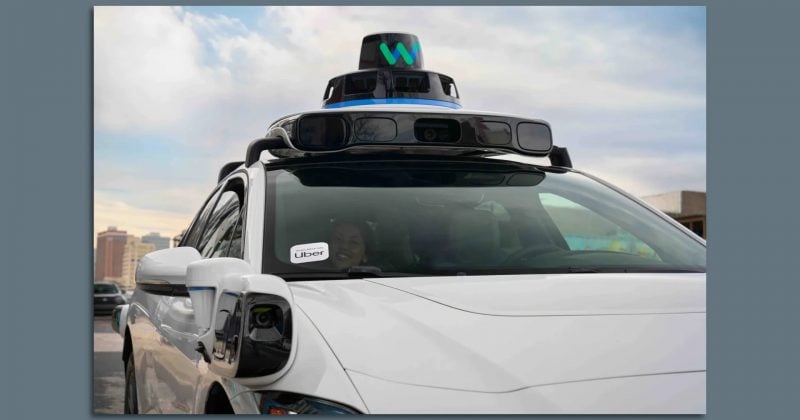
Uber Technologies to offer driverless robotaxi rides in Houston next year
Uber's partnership with Lucid and Nuro aims to bring premium autonomous rides to Houston, with 20,000 vehicles planned across multiple markets
Uber is bringing its driverless ride-hailing ambitions to Houston, with robotaxi vehicles built on the Lucid Gravity SUV platform and powered by Nuro’s Level 4 autonomous driving technology. Testing vehicles have already been spotted on Houston streets as of April 2026, setting the stage for what could become one of the most closely watched autonomous vehicle deployments in the US.
The partnership, which was officially unveiled at CES 2026 in January, represents Uber’s latest push into the autonomous ride-hailing space. On-road testing began in December 2025, and the companies are targeting deployment of 20,000 or more vehicles across US and international markets over time.
What Uber is actually building here
Lucid provides the hardware, specifically production-intent versions of its Gravity SUV. Nuro contributes the autonomy stack, its Level 4 self-driving software that handles the actual driving without a human behind the wheel. Uber supplies the platform, connecting autonomous vehicles with paying passengers.
The first passenger rides are targeted for late 2026, with the San Francisco Bay Area serving as the initial launch market. Houston, for now, functions as a testing ground for operational validation. As of mid-2026, Uber’s own website confirms that no autonomous rides are currently available in the city.
How this fits into Uber’s autonomous strategy
Uber has been down the self-driving road before. The company sold its in-house autonomous vehicle unit, ATG, to Aurora Innovation back in 2020 after years of expensive development and a fatal crash in Arizona. Since then, Uber has pivoted to partnering with companies that build the technology.
AI, tech, and the markets they move—in one daily briefing.
Daily. Free. Join 34,000+ readers across crypto, finance, and policy.
That strategy has already produced deals with Waymo and Cruise. Waymo robotaxis are available through the Uber app in select markets, and the Cruise partnership was in various stages of development before GM’s restructuring of that unit. The Lucid-Nuro collaboration follows this same template but adds a luxury dimension that neither of those previous partnerships offered.
What this means for investors
The deployment target of 20,000 or more vehicles is worth watching closely. At scale, autonomous rides could dramatically improve Uber’s unit economics by eliminating driver payouts, which currently consume the majority of each fare’s revenue.
For Lucid, this partnership offers something potentially more valuable than vehicle margins: volume. The company has struggled with production scale and vehicle sales since its public debut. A committed order pipeline from Uber could stabilize its manufacturing operations and provide a recurring revenue stream that consumer sales alone haven’t delivered.
The gap between testing vehicles on Houston roads and offering commercial rides to paying passengers is significant. Regulatory approvals, safety validation, insurance frameworks, and public acceptance all stand between the current state of play and the ambitious 20,000-vehicle target.