
Nexo Earn with Nexo
UK Solana validators face up to $200K in regulatory costs by 2026

UK Solana validators face up to $200K in regulatory costs by 2026

New FCA rules could push validators to relocate as compliance burden threatens network decentralization.

Running a Solana validator in the UK is about to get a lot more expensive. Proposed regulations from the Financial Conduct Authority are set to classify cryptoasset staking and validator services as regulated activities, with compliance costs that could reach up to $200K per validator by 2026.

The rules stem from the Financial Services and Markets Act 2000 (Cryptoassets) Regulations, which the FCA plans to enforce by October 2027. Under the proposed framework, “qualifying cryptoasset staking” and validator activities would be reclassified as regulated financial services, triggering authorisation requirements, consumer protection obligations, and consent protocols for staking participants.

Advertisement

The FCA’s own consultation documents suggest a one-off compliance cost of around £5K per firm. The estimated total burden across all affected firms lands at roughly £200K for the industry, though individual validators offering additional services beyond basic block production could face significantly higher costs.

Validators that go beyond simple transaction processing, those offering delegated staking services or yield products, risk losing any exemptions and being lumped in with crypto firms that require full FCA authorisation.

The UK currently hosts approximately 13.7% of the total Solana network stake, roughly matching the stake levels in the Netherlands. If a significant number of UK-based validators decide the regulatory math doesn’t work, that stake either migrates to friendlier jurisdictions or disappears entirely.

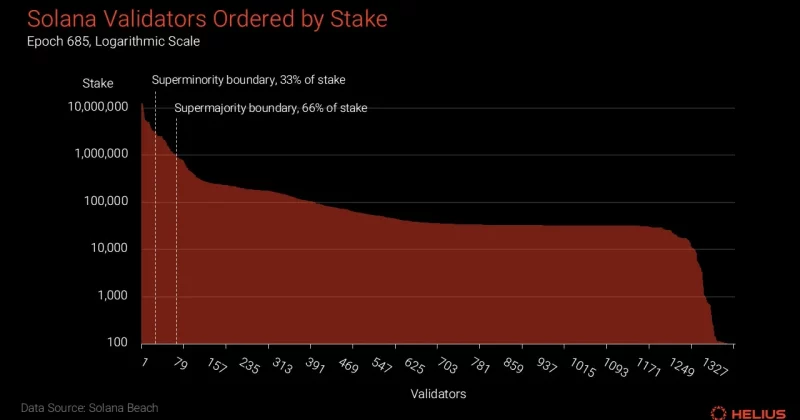
For SOL holders and stakers, if UK validators begin exiting the network, delegation patterns will shift and stake will flow toward validators in jurisdictions with lighter regulatory touch, potentially increasing concentration risk in those regions. Solana’s relatively concentrated validator set, compared to Ethereum’s tens of thousands of validators, means the loss of even a moderate number of UK operators could have an outsized impact on network metrics.

The EU’s MiCA framework is already moving in a similar direction to the UK’s approach. The October 2027 enforcement date gives the market time to digest the changes, but key milestones to watch include final rule publication, the first enforcement action, or a visible exodus of UK validators from the network.

Disclosure: This article was edited by Editorial Team. For more information on how we create and review content, see our Editorial Policy.

UK Solana validators face up to $200K in regulatory costs by 2026

UK Solana validators face up to $200K in regulatory costs by 2026

New FCA rules could push validators to relocate as compliance burden threatens network decentralization.

Running a Solana validator in the UK is about to get a lot more expensive. Proposed regulations from the Financial Conduct Authority are set to classify cryptoasset staking and validator services as regulated activities, with compliance costs that could reach up to $200K per validator by 2026.

The rules stem from the Financial Services and Markets Act 2000 (Cryptoassets) Regulations, which the FCA plans to enforce by October 2027. Under the proposed framework, “qualifying cryptoasset staking” and validator activities would be reclassified as regulated financial services, triggering authorisation requirements, consumer protection obligations, and consent protocols for staking participants.

Advertisement

The FCA’s own consultation documents suggest a one-off compliance cost of around £5K per firm. The estimated total burden across all affected firms lands at roughly £200K for the industry, though individual validators offering additional services beyond basic block production could face significantly higher costs.

Validators that go beyond simple transaction processing, those offering delegated staking services or yield products, risk losing any exemptions and being lumped in with crypto firms that require full FCA authorisation.

The UK currently hosts approximately 13.7% of the total Solana network stake, roughly matching the stake levels in the Netherlands. If a significant number of UK-based validators decide the regulatory math doesn’t work, that stake either migrates to friendlier jurisdictions or disappears entirely.

For SOL holders and stakers, if UK validators begin exiting the network, delegation patterns will shift and stake will flow toward validators in jurisdictions with lighter regulatory touch, potentially increasing concentration risk in those regions. Solana’s relatively concentrated validator set, compared to Ethereum’s tens of thousands of validators, means the loss of even a moderate number of UK operators could have an outsized impact on network metrics.

The EU’s MiCA framework is already moving in a similar direction to the UK’s approach. The October 2027 enforcement date gives the market time to digest the changes, but key milestones to watch include final rule publication, the first enforcement action, or a visible exodus of UK validators from the network.

Disclosure: This article was edited by Editorial Team. For more information on how we create and review content, see our Editorial Policy.