
Ukraine expands missile strikes inside Russia, triggering alerts across nearly half the country
Long-range cruise missiles and drones now reach targets over 1,000 km into Russian territory, marking a significant escalation in Ukraine's offensive capabilities
Ukrainian forces have dramatically widened the geographic scope of their missile strikes into Russian territory, with air raid alerts sounding across nearly half of Russia’s regions in late June 2026. The escalation marks a new phase in the conflict, one where Ukraine’s domestically produced long-range weapons are reaching deeper into Russia than ever before.
The strikes are part of what appears to be a coordinated 40-day campaign targeting Russian military-industrial facilities and energy infrastructure.
What got hit, and why it matters
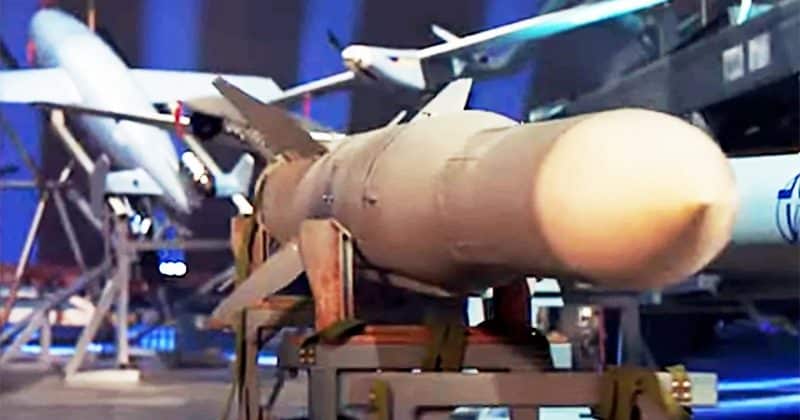
On June 26-27, Ukrainian forces struck the Titan-Barrikady plant in Volgograd using FP-5 Flamingo cruise missiles. The facility produces components for Iskander-M tactical ballistic missiles and Topol-M/Yars intercontinental ballistic missiles.
The same window saw an attack on the Vtorovo oil pumping station in Vladimir Oblast, northeast of Moscow.
Both targets sit well over 1,000 km from Ukrainian-controlled territory. The Flamingo cruise missile is a low-altitude weapon designed to evade radar detection. Multiple Russian regions, including Moscow and Crimea, faced drone and missile alerts during the late June operations.
Macro, rates, and crypto—what moved markets and what matters next.
Daily. Free. Join 34,000+ readers across crypto, finance, and policy.
The bigger strategic picture
Ukraine’s long-range strike capability has evolved considerably over the course of the conflict. The FP-5 Flamingo represents a domestically developed cruise missile that gives Ukraine operational independence for deep strikes.
The expansion beyond 1,000 km means virtually no military-industrial facility in western Russia is beyond reach. It forces Moscow to spread air defense assets across a vastly larger area, and creates a persistent threat environment that disrupts production schedules at key defense plants.
The targeting of energy infrastructure follows a parallel logic. Oil pumping stations and refineries are nodes in the logistics network that moves fuel to military units, powers military bases, and keeps the broader war economy functioning.