
Ukraine’s refinery strikes trigger nationwide Russian fuel crisis, rippling through global energy and crypto markets

Ukraine’s refinery strikes trigger nationwide Russian fuel crisis, rippling through global energy and crypto markets

Long-range drone attacks have knocked out up to 25% of Russia's refining capacity, creating fuel rationing across 83 regions and adding new pressure to global oil prices.

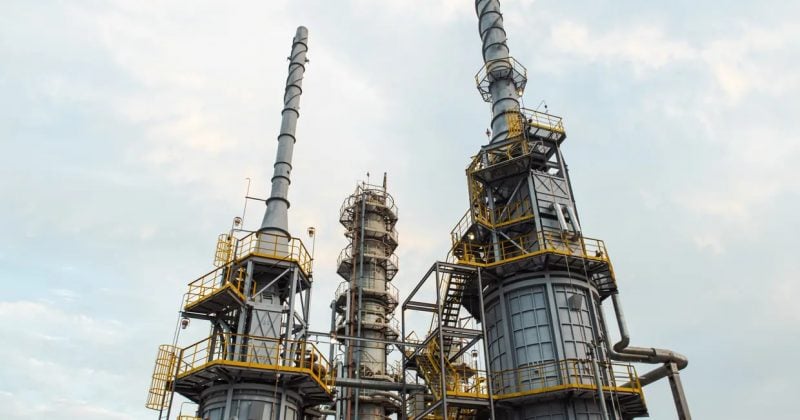
Russia is running out of gas. Not in the metaphorical, war-fatigue sense, but literally: fuel shortages have spread across nearly all of the country’s 83 regions, with long lines forming at gas stations and rationing measures taking hold. The cause is a sustained Ukrainian drone campaign targeting Russian oil refineries, one that has quietly become one of the most economically consequential strategies of the entire conflict.

The crisis reached a new level of severity in early July 2026, when strikes hit the Omsk refinery, Russia’s largest gasoline producer. The facility sits more than 2,500 kilometers from the Ukrainian border, a distance that underscores just how far Ukraine’s drone capabilities now reach. The attacks sparked devastating fires and forced production halts at a facility that is critical to Russia’s domestic fuel supply chain.

Advertisement

A strategy designed to hit Russia where it hurts

Ukraine’s campaign against Russian refining infrastructure has been building for over a year. The escalation kicked into high gear in August 2025, when more than a dozen strikes targeted refineries across the country in a single month. By mid-2026, estimates suggest that somewhere between 13% and 25% of Russia’s total refining capacity had been knocked offline.

The severity of the situation became impossible to ignore when President Vladimir Putin himself acknowledged fuel “deficits” in late June 2026. For a leader who has spent years projecting an image of domestic stability and economic resilience, that admission was notable.

Russia’s response has included banning jet fuel exports until at least November 2026 and scrambling to increase imports to compensate for lost domestic production. Export bans reduce foreign currency earnings at a time when the ruble needs all the support it can get. Boosting imports means spending hard currency that could otherwise fund military operations or shore up the broader economy.

Disclosure: This article was edited by Editorial Team. For more information on how we create and review content, see our Editorial Policy.

Ukraine’s refinery strikes trigger nationwide Russian fuel crisis, rippling through global energy and crypto markets

Ukraine’s refinery strikes trigger nationwide Russian fuel crisis, rippling through global energy and crypto markets

Long-range drone attacks have knocked out up to 25% of Russia's refining capacity, creating fuel rationing across 83 regions and adding new pressure to global oil prices.

Russia is running out of gas. Not in the metaphorical, war-fatigue sense, but literally: fuel shortages have spread across nearly all of the country’s 83 regions, with long lines forming at gas stations and rationing measures taking hold. The cause is a sustained Ukrainian drone campaign targeting Russian oil refineries, one that has quietly become one of the most economically consequential strategies of the entire conflict.

The crisis reached a new level of severity in early July 2026, when strikes hit the Omsk refinery, Russia’s largest gasoline producer. The facility sits more than 2,500 kilometers from the Ukrainian border, a distance that underscores just how far Ukraine’s drone capabilities now reach. The attacks sparked devastating fires and forced production halts at a facility that is critical to Russia’s domestic fuel supply chain.

Advertisement

A strategy designed to hit Russia where it hurts

Ukraine’s campaign against Russian refining infrastructure has been building for over a year. The escalation kicked into high gear in August 2025, when more than a dozen strikes targeted refineries across the country in a single month. By mid-2026, estimates suggest that somewhere between 13% and 25% of Russia’s total refining capacity had been knocked offline.

The severity of the situation became impossible to ignore when President Vladimir Putin himself acknowledged fuel “deficits” in late June 2026. For a leader who has spent years projecting an image of domestic stability and economic resilience, that admission was notable.

Russia’s response has included banning jet fuel exports until at least November 2026 and scrambling to increase imports to compensate for lost domestic production. Export bans reduce foreign currency earnings at a time when the ruble needs all the support it can get. Boosting imports means spending hard currency that could otherwise fund military operations or shore up the broader economy.

Disclosure: This article was edited by Editorial Team. For more information on how we create and review content, see our Editorial Policy.