
Ukraine strikes two oil tankers linked to Russia’s shadow fleet, exposing crypto payment networks
The attacks on sanctioned tankers reveal a sprawling sanctions-evasion machine where crew members get paid in Bitcoin and stablecoins
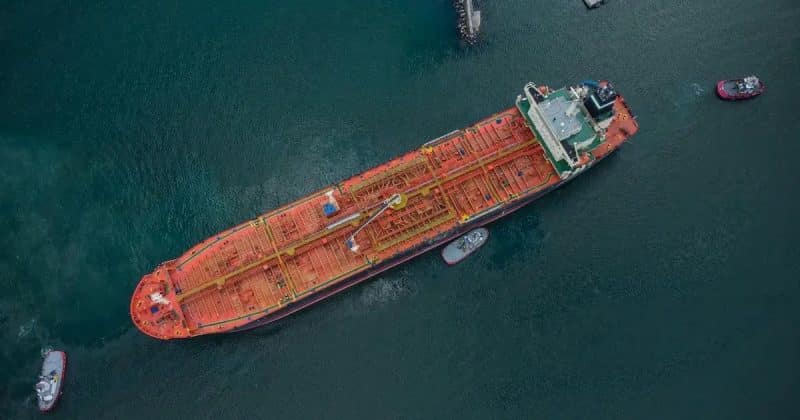
Ukrainian naval drones hit two oil tankers connected to Russia’s shadow fleet in the Sea of Azov, escalating a maritime campaign designed to choke off the revenue streams funding Moscow’s war machine. The targets, the Gambian-flagged Kairos and Virat, were both sanctioned vessels, and their operational backbone reportedly relies on cryptocurrency payments to keep the whole thing running quietly.
What happened in the Sea of Azov
Ukraine deployed its Sea Baby drone model to strike the two tankers. Both the Kairos and Virat were empty at the time, reportedly headed to the Russian port of Novorossiysk to pick up cargo.
The Kairos took critical damage and caught fire. The Virat got off comparatively easy with minor damage. Crew members from both vessels were evacuated successfully.
Ukraine’s government has been explicit about its rationale. President Zelenskyy’s administration frames these shadow fleet vessels as legitimate military targets, arguing that ships designed to circumvent sanctions and fund Russia’s war effort are fair game under wartime rules.
The November 29, 2025 strikes weren’t a one-off, either. Ukraine has continued maritime operations into 2026, hitting additional tankers including the Fina A on June 10 and the West Horizon on June 17.
Macro, rates, and crypto—what moved markets and what matters next.
Daily. Free. Join 34,000+ readers across crypto, finance, and policy.
The crypto connection hiding in plain sight
Investigations into Russia’s shadow fleet operations have revealed that crew members are frequently paid using cryptocurrency. The setup reportedly involves Bitcoin-derived funds that get converted into stablecoins, adding layers of anonymity to what is already a deliberately opaque logistics network.
Russia’s shadow fleet comprises an estimated 1,000 vessels dedicated to moving Russian oil past Western sanctions. The same properties that make Bitcoin and stablecoins useful for legitimate cross-border payments also make them attractive for sanctions evasion.
Why this matters for markets and regulation
The European Union and US Treasury’s Office of Foreign Assets Control have already been expanding their sanctions enforcement tools to cover digital assets. Documented use of Bitcoin and stablecoins in a thousand-vessel sanctions-evasion fleet is exactly the kind of evidence that accelerates those efforts.
Stablecoin issuers face particular scrutiny here. If funds flowing through shadow fleet operations are being converted from Bitcoin into stablecoins for day-to-day payments, that puts centralized stablecoin providers in an uncomfortable position. Companies like Tether have already faced questions about their exposure to sanctioned entities.