
Via kyivindependent.com
Ukraine strikes two oil refineries deep in Russian territory, escalating energy war with global market implications
Long-range drone attacks on Lukoil and Rosneft facilities signal an intensifying campaign against Russian energy infrastructure that could ripple through oil markets and crypto correlations.
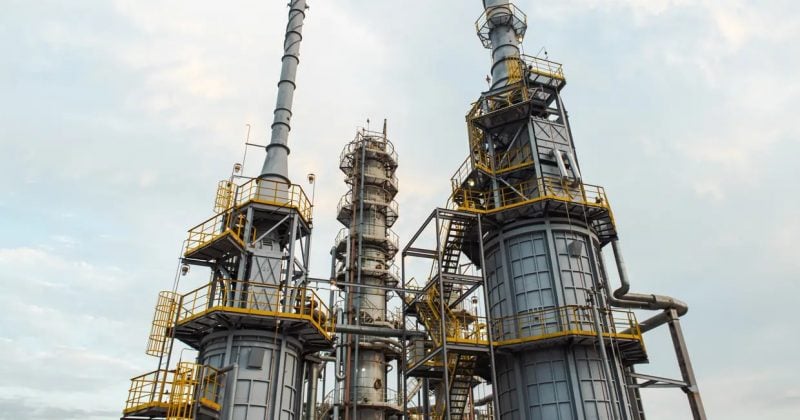
Ukraine launched long-range drone strikes on two major Russian oil refineries on July 29, hitting facilities operated by Lukoil in the Perm region and Rosneft in Ryazan. Fires broke out at both sites, according to Ukrainian security officials and the General Staff.
The Perm refinery sits roughly 1,500 km from Ukraine. The Ryazan facility, with a processing capacity of approximately 17 million tonnes per year, is about 400 km from the Ukrainian border and just 120 km from Moscow.
A deliberate escalation in energy targeting
The twin strikes marked Ukraine’s first significant assault on large-scale Russian energy infrastructure in nearly two weeks. They also came shortly after a meeting between Ukrainian President Volodymyr Zelenskyy and US President Donald Trump.
Days later, around August 2, additional strikes targeted three more refineries in the Bashkortostan republic, including a major facility in Ufa. Those sites are approximately 1,600 km from Ukraine.
Zelenskyy stated that the targeted facilities process millions of tonnes of oil annually. The strategic logic is straightforward: starve Russia’s fuel supply chains, and you starve the Kremlin’s ability to fund its military campaign.
Ukraine has been systematically targeting Russian energy infrastructure since 2024, but the depth and scale of these latest operations represent a clear intensification.
Why oil markets and crypto traders should pay attention
The Ryazan refinery alone processes around 17 million tonnes annually. If sustained attacks degrade Russian refining output over time, the pressure on global fuel prices could intensify, particularly in diesel and jet fuel markets where Russian exports have historically played a significant role.
For crypto investors, oil price shocks feed directly into inflation expectations. Inflation expectations drive central bank policy. Central bank policy moves risk assets, including Bitcoin and the broader crypto market. When oil prices spiked during earlier phases of the Russia-Ukraine conflict in 2022, the resulting inflation surge contributed to the aggressive Fed tightening cycle that hammered crypto valuations.
The geopolitical overlay
The timing of these strikes relative to the Zelenskyy-Trump meeting adds another layer. If the strikes are perceived as having tacit US approval, or at least not US opposition, it suggests a longer and more aggressive phase of the energy war is ahead.
Previous strikes on energy infrastructure have prompted retaliatory attacks on Ukrainian power grids, creating a cycle of infrastructure destruction that neither side seems willing to break.