
Nexo Earn with Nexo
Ukrainian military strikes Russian oil infrastructure in Volgograd

Ukrainian military strikes Russian oil infrastructure in Volgograd

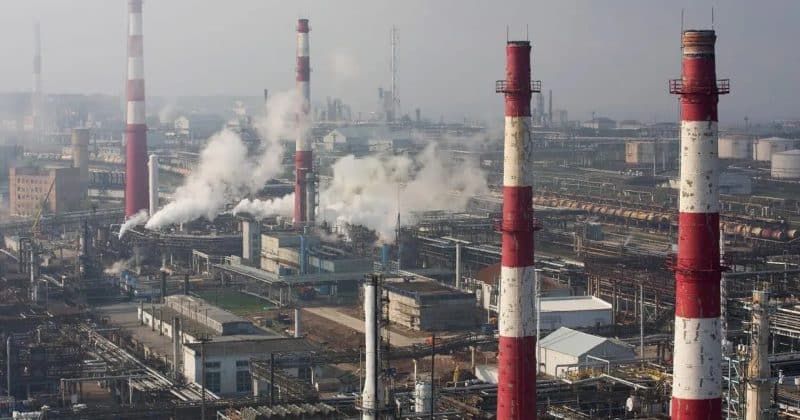
Drone attacks on oil facilities in southern Russia are part of a sustained campaign targeting energy assets that account for significant refining capacity

Ukrainian forces hit an oil preparation and pumping facility near Kotovo, also known as Yefimovka, in Russia’s Volgograd region during overnight operations on June 12-13. The strike ignited a fire at the hub, confirmed by Ukraine’s General Staff, and marks the latest in an accelerating campaign to dismantle Russian energy infrastructure from the inside out.

No injuries were reported following the attack. The focus, as it has been throughout this campaign, appears to be strategic asset degradation rather than civilian harm.

A pattern of precision strikes on Volgograd energy assets

This wasn’t a one-off. The Kotovo strike fits neatly into a string of operations targeting the Volgograd region’s oil apparatus over recent weeks, each one aimed at a different node in the production and distribution chain.

Advertisement

On May 29, Ukrainian drones struck the Lukoil-owned Volgograd oil refinery, one of Russia’s largest and a linchpin in its southern energy operations. That attack damaged multiple primary refining units, specifically AVT-1, AVT-3, AVT-5, and AVT-6, causing enough destruction to halt production entirely.

One of those affected units, CDU-1, accounts for approximately 40% of the refinery’s operational capacity.

Then on June 8, another wave of strikes hit the Krasny Yar linear production and dispatch station, also in the Volgograd region. Three distinct attacks across three different types of facilities in roughly two weeks.

Ukrainian military officials have characterized these operations as a tactical response designed to erode Russia’s war economy by targeting its energy export capabilities.

The broader campaign against Russian oil

Ukraine’s strategy of striking deep into Russian territory to hit energy infrastructure has been building since 2024. The Volgograd refinery is among Russia’s largest refining complexes and plays a critical role in the country’s southern energy operations.

What this means for energy markets and investors

Russia remains one of the world’s largest oil producers. Sustained disruptions to its refining capacity, particularly at major facilities like the Volgograd refinery, have the potential to tighten global oil supply. When a single unit representing 40% of a major refinery’s capacity goes offline, that’s a material reduction in output.

Disclosure: This article was edited by Editorial Team. For more information on how we create and review content, see our Editorial Policy.

Ukrainian military strikes Russian oil infrastructure in Volgograd

Ukrainian military strikes Russian oil infrastructure in Volgograd

Drone attacks on oil facilities in southern Russia are part of a sustained campaign targeting energy assets that account for significant refining capacity

Ukrainian forces hit an oil preparation and pumping facility near Kotovo, also known as Yefimovka, in Russia’s Volgograd region during overnight operations on June 12-13. The strike ignited a fire at the hub, confirmed by Ukraine’s General Staff, and marks the latest in an accelerating campaign to dismantle Russian energy infrastructure from the inside out.

No injuries were reported following the attack. The focus, as it has been throughout this campaign, appears to be strategic asset degradation rather than civilian harm.

A pattern of precision strikes on Volgograd energy assets

This wasn’t a one-off. The Kotovo strike fits neatly into a string of operations targeting the Volgograd region’s oil apparatus over recent weeks, each one aimed at a different node in the production and distribution chain.

Advertisement

On May 29, Ukrainian drones struck the Lukoil-owned Volgograd oil refinery, one of Russia’s largest and a linchpin in its southern energy operations. That attack damaged multiple primary refining units, specifically AVT-1, AVT-3, AVT-5, and AVT-6, causing enough destruction to halt production entirely.

One of those affected units, CDU-1, accounts for approximately 40% of the refinery’s operational capacity.

Then on June 8, another wave of strikes hit the Krasny Yar linear production and dispatch station, also in the Volgograd region. Three distinct attacks across three different types of facilities in roughly two weeks.

Ukrainian military officials have characterized these operations as a tactical response designed to erode Russia’s war economy by targeting its energy export capabilities.

The broader campaign against Russian oil

Ukraine’s strategy of striking deep into Russian territory to hit energy infrastructure has been building since 2024. The Volgograd refinery is among Russia’s largest refining complexes and plays a critical role in the country’s southern energy operations.

What this means for energy markets and investors

Russia remains one of the world’s largest oil producers. Sustained disruptions to its refining capacity, particularly at major facilities like the Volgograd refinery, have the potential to tighten global oil supply. When a single unit representing 40% of a major refinery’s capacity goes offline, that’s a material reduction in output.

Disclosure: This article was edited by Editorial Team. For more information on how we create and review content, see our Editorial Policy.