
Ukraine targets Tyumen oil refinery 2,000 kilometers inside Russia

Ukraine targets Tyumen oil refinery 2,000 kilometers inside Russia

Long-range drone strikes on the Antipinsky refinery signal a dramatic expansion of Ukraine's ability to hit deep inside Russian territory

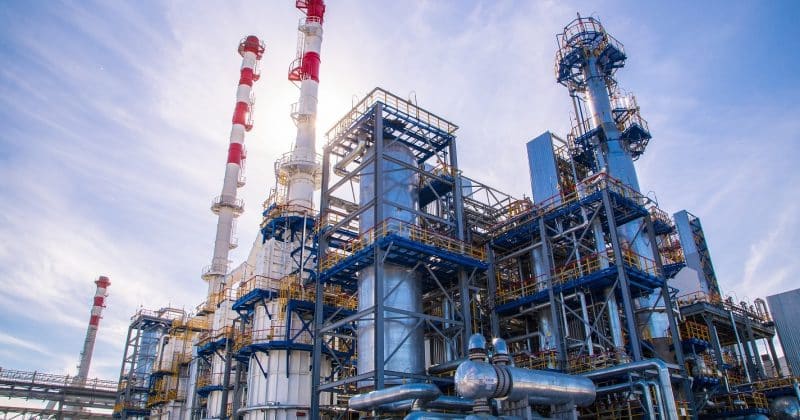
Ukraine struck the Antipinsky oil refinery in Russia’s Tyumen region, a facility located more than 2,000 kilometers from the Ukrainian border. That distance is roughly the same as flying from New York to Denver, which gives you a sense of just how far Ukraine’s drone capabilities now reach.

The Tyumen refinery is one of Russia’s prominent private refineries, processing approximately 9 million tons of crude oil per year. It produces gasoline, diesel, and other fuel products that feed both domestic consumption and Russia’s energy export machine.

A pattern of escalating strikes

This is not the first time Ukraine has gone after the Antipinsky refinery. Ukrainian drones targeted the facility for the first time in October 2025, when local reports indicated explosions near the site.

Advertisement

Then on June 6, 2026, a fire broke out in a purification unit at the refinery. Local Russian authorities attributed it to a “technological disruption.” Ukrainian sources contested that characterization, suggesting the fire was the result of a strike.

On June 20, 2026, Tyumen’s governor announced that air defenses successfully repelled another drone attack, claiming no injuries or damage were reported.

Why 2,000 kilometers matters

Over 20 strikes have reportedly been aimed at Russian energy assets since the start of 2026, but hitting a target 2,000 kilometers inside Russian territory represents a qualitative shift, not just a quantitative one.

Ukrainian officials have framed these operations as direct responses to Russian attacks on Ukrainian cities. The strategic logic is straightforward: if Russia continues to target civilian infrastructure in Ukraine, Ukraine will target the economic infrastructure that enables Russia to keep fighting.

What this means for energy markets and the broader conflict

The Antipinsky refinery’s 9 million tons of annual processing capacity makes it a meaningful node in Russia’s refining network. Each successful hit, even a partial one, forces temporary shutdowns, diverts maintenance resources, and disrupts supply chains. Multiply that across more than 20 reported strikes on energy assets in 2026 alone, and the aggregate effect starts to matter.

Refined fuel products like diesel and gasoline are the real concern, since crude oil can be rerouted more easily than refining capacity can be replaced.

Disclosure: This article was edited by Editorial Team. For more information on how we create and review content, see our Editorial Policy.

Ukraine targets Tyumen oil refinery 2,000 kilometers inside Russia

Ukraine targets Tyumen oil refinery 2,000 kilometers inside Russia

Long-range drone strikes on the Antipinsky refinery signal a dramatic expansion of Ukraine's ability to hit deep inside Russian territory

Ukraine struck the Antipinsky oil refinery in Russia’s Tyumen region, a facility located more than 2,000 kilometers from the Ukrainian border. That distance is roughly the same as flying from New York to Denver, which gives you a sense of just how far Ukraine’s drone capabilities now reach.

The Tyumen refinery is one of Russia’s prominent private refineries, processing approximately 9 million tons of crude oil per year. It produces gasoline, diesel, and other fuel products that feed both domestic consumption and Russia’s energy export machine.

A pattern of escalating strikes

This is not the first time Ukraine has gone after the Antipinsky refinery. Ukrainian drones targeted the facility for the first time in October 2025, when local reports indicated explosions near the site.

Advertisement

Then on June 6, 2026, a fire broke out in a purification unit at the refinery. Local Russian authorities attributed it to a “technological disruption.” Ukrainian sources contested that characterization, suggesting the fire was the result of a strike.

On June 20, 2026, Tyumen’s governor announced that air defenses successfully repelled another drone attack, claiming no injuries or damage were reported.

Why 2,000 kilometers matters

Over 20 strikes have reportedly been aimed at Russian energy assets since the start of 2026, but hitting a target 2,000 kilometers inside Russian territory represents a qualitative shift, not just a quantitative one.

Ukrainian officials have framed these operations as direct responses to Russian attacks on Ukrainian cities. The strategic logic is straightforward: if Russia continues to target civilian infrastructure in Ukraine, Ukraine will target the economic infrastructure that enables Russia to keep fighting.

What this means for energy markets and the broader conflict

The Antipinsky refinery’s 9 million tons of annual processing capacity makes it a meaningful node in Russia’s refining network. Each successful hit, even a partial one, forces temporary shutdowns, diverts maintenance resources, and disrupts supply chains. Multiply that across more than 20 reported strikes on energy assets in 2026 alone, and the aggregate effect starts to matter.

Refined fuel products like diesel and gasoline are the real concern, since crude oil can be rerouted more easily than refining capacity can be replaced.

Disclosure: This article was edited by Editorial Team. For more information on how we create and review content, see our Editorial Policy.