
Nexo Earn with Nexo
UK’s Cooper calls for resumption of Strait of Hormuz shipping amid US-Iran tensions

UK’s Cooper calls for resumption of Strait of Hormuz shipping amid US-Iran tensions

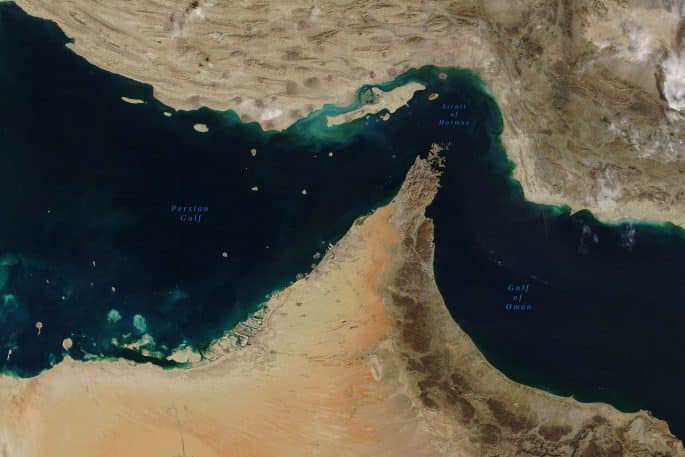
Ships Transit the Strait of Hormuz (April 2023)

UK Foreign Secretary Yvette Cooper called for a full resumption of shipping through the Strait of Hormuz amid the ongoing US-Iran conflict. The market for Strait of Hormuz traffic normalizing by the end of May is at 24% YES, a slight increase driven by diplomatic optimism.

Market reaction

Cooper’s statement amounts to a diplomatic push, but without concrete agreements it hasn’t caused a major shift in market sentiment. The Strait of Hormuz traffic market moved modestly to 24% YES for normalization by May’s end. Traders see some potential in UK-led diplomacy but remain cautious without tangible action or agreements.

The market for UK warships transiting the strait by April 30 sits at 6% YES, reflecting limited expectation of naval involvement without a confirmed deployment.

Advertisement

Why it matters

Daily USDC trading volume across these markets is under $5,000, which means traders are waiting for more definitive signals before committing capital. The $477 needed to move the UK warships market 5 points means it’s not extremely thin, but a single large order could still shift the odds meaningfully.

What to watch

Cooper’s diplomatic efforts are just that, diplomatic. At 24¢, a YES share pays $1 if traffic normalizes by May, a 4.2x return. For this bet to pay off, you’d need to believe in rapid de-escalation or a diplomatic breakthrough within 45 days.

Key signals to track: upcoming statements from the UK Ministry of Defence and any naval movements. A confirmed dispatch of UK warships or a significant diplomatic development would be the clearest catalysts.

API access

Get prediction market intelligence as a structured API feed. Early access waitlist.

Disclosure: This article was edited by Estefano Gomez. For more information on how we create and review content, see our Editorial Policy.

UK’s Cooper calls for resumption of Strait of Hormuz shipping amid US-Iran tensions

UK’s Cooper calls for resumption of Strait of Hormuz shipping amid US-Iran tensions

Ships Transit the Strait of Hormuz (April 2023)

UK Foreign Secretary Yvette Cooper called for a full resumption of shipping through the Strait of Hormuz amid the ongoing US-Iran conflict. The market for Strait of Hormuz traffic normalizing by the end of May is at 24% YES, a slight increase driven by diplomatic optimism.

Market reaction

Cooper’s statement amounts to a diplomatic push, but without concrete agreements it hasn’t caused a major shift in market sentiment. The Strait of Hormuz traffic market moved modestly to 24% YES for normalization by May’s end. Traders see some potential in UK-led diplomacy but remain cautious without tangible action or agreements.

The market for UK warships transiting the strait by April 30 sits at 6% YES, reflecting limited expectation of naval involvement without a confirmed deployment.

Advertisement

Why it matters

Daily USDC trading volume across these markets is under $5,000, which means traders are waiting for more definitive signals before committing capital. The $477 needed to move the UK warships market 5 points means it’s not extremely thin, but a single large order could still shift the odds meaningfully.

What to watch

Cooper’s diplomatic efforts are just that, diplomatic. At 24¢, a YES share pays $1 if traffic normalizes by May, a 4.2x return. For this bet to pay off, you’d need to believe in rapid de-escalation or a diplomatic breakthrough within 45 days.

Key signals to track: upcoming statements from the UK Ministry of Defence and any naval movements. A confirmed dispatch of UK warships or a significant diplomatic development would be the clearest catalysts.

API access

Get prediction market intelligence as a structured API feed. Early access waitlist.

Disclosure: This article was edited by Estefano Gomez. For more information on how we create and review content, see our Editorial Policy.