
UMC starts mass-producing silicon photonics wafers, and AI infrastructure investors should pay attention
The Taiwanese chipmaker's Singapore fab is now shipping 12-inch silicon photonics wafers designed for high-speed AI data center interconnects.
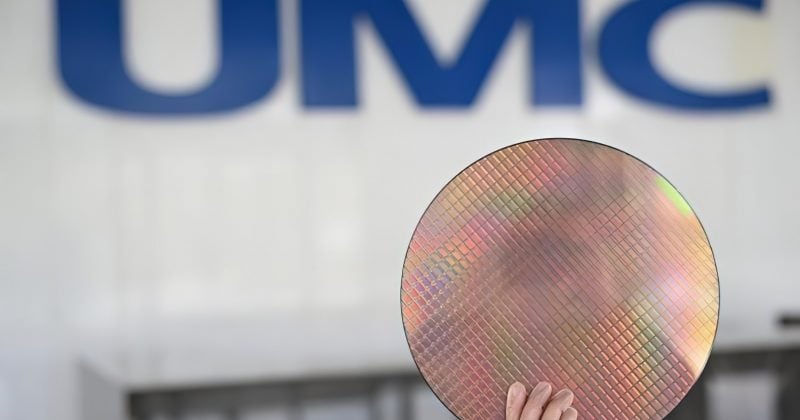
United Microelectronics Corporation just crossed a line that separates R&D ambition from commercial reality. On July 14, the Taiwanese semiconductor foundry delivered its first mass-produced silicon photonics wafers from its 12-inch Fab 12i facility in Singapore, a milestone that puts UMC squarely in the supply chain for next-generation AI infrastructure.
The wafers coming out of Singapore support SILITH Technology’s 1.6T silicon photonics platform. These chips enable the kind of high-speed optical interconnects that hyperscale data centers need to shuttle massive volumes of data between servers running AI models.
The partnership between UMC and SILITH took roughly 18 months to move from initial development to full-scale manufacturing. UMC’s history with silicon photonics stretches back to 2010, but the company had previously worked with 8-inch wafers. The jump to 12-inch production means more chips per production run, lower per-unit costs, and the kind of manufacturing scale that makes major customers comfortable placing big orders.
The company also laid critical groundwork in December 2025 by licensing imec’s iSiPP300 silicon photonics process platform. That licensing deal gave UMC access to a proven technology stack rather than forcing the company to build everything from scratch. Risk production using the advanced imec-derived process is targeted for the 2026-2027 timeframe.
UMC has historically played second fiddle to TSMC in the foundry business, focusing on mature and specialty process nodes rather than competing at the bleeding edge of transistor scaling. Silicon photonics represents a deliberate strategic bet on a market segment where UMC can lead rather than follow.
AI, tech, and the markets they move—in one daily briefing.
Daily. Free. Join 34,000+ readers across crypto, finance, and policy.
Citi analysts have reportedly viewed UMC’s silicon photonics push as a positive signal for the company’s outlook, suggesting the move could help differentiate UMC from competitors fighting over increasingly commoditized legacy chip manufacturing.
There’s also competitive pressure to consider. GlobalFoundries has its own silicon photonics program, and TSMC has signaled interest in the space as well. UMC’s first-mover advantage on 12-inch photonics wafers is real, but it won’t last forever if larger competitors decide to invest aggressively.
The Singapore manufacturing base adds a geopolitical dimension worth noting. With ongoing tensions around Taiwan’s semiconductor supply chain, having production capacity in Singapore reduces some of the geographic risk that has haunted the chip industry in recent years.