
Nexo Earn with Nexo
US airstrikes target Iranian naval bases and missile sites as crypto markets reel

US airstrikes target Iranian naval bases and missile sites as crypto markets reel

Bitcoin dropped below $73K and roughly $80 billion in crypto market value evaporated as US-Iran hostilities escalated near the Strait of Hormuz.

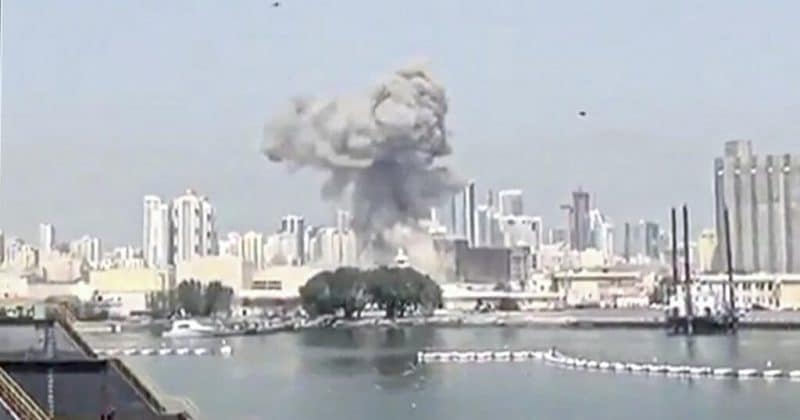
US forces struck Iranian missile launch sites, naval vessels, and port infrastructure in southern Hormozgan province on May 25-26, targeting military assets near Bandar Abbas and the strategically critical Strait of Hormuz. The strikes were characterized as self-defense measures to protect US troops and secure maritime routes.

The crypto market’s response was swift and brutal. Bitcoin fell below $73,000, and roughly $80 billion in total digital asset market value disappeared in the aftermath.

What happened and why it matters

The airstrikes targeted Iranian boats that were allegedly attempting to lay mines in a key oil shipping lane. Hormozgan province sits along the Strait of Hormuz, a narrow waterway that handles around 20% of the world’s oil trade.

Advertisement

These operations fall under “Operation Epic Fury,” which began in February 2026 and has involved coordinated air assaults on Iranian military infrastructure. The latest strikes represent a continuation of a confrontation that has been building for months.

Iranian authorities, including the Islamic Revolutionary Guard Corps, have warned of potential retaliation. The strikes occurred amid ongoing ceasefire discussions.

The crypto fallout

Bitcoin’s slide below $73,000 was accompanied by approximately $1 billion in leveraged liquidations across the crypto market. The broader digital asset market shed roughly $80 billion in value, capturing not just Bitcoin’s decline but cascading losses across altcoins and other tokens.

Iran itself reportedly holds around $7.7 billion in digital assets, a strategy widely understood as an effort to circumvent international sanctions. There is no indication that the US military operations were directly linked to Iran’s crypto holdings or that Iran liquidated any of those assets in response to the strikes.

Background: Operation Epic Fury

Operation Epic Fury launched in February 2026 with coordinated strikes on Iranian military infrastructure. The campaign has targeted a range of assets, from missile batteries to naval facilities, with the stated goal of neutralizing threats to US forces and international shipping lanes.

What this means for investors

The $1 billion in leveraged liquidations reflects that crypto markets remain heavily leveraged, meaning sharp moves in either direction get amplified by forced selling.

Iran’s $7.7 billion in digital asset holdings introduces a tail risk that most traders are not pricing in. If Iran were to liquidate a significant portion of those holdings, whether to fund military operations, shore up its economy, or move assets before potential seizure, the sell pressure could hit markets at a vulnerable moment. There is no evidence this is imminent.

Disclosure: This article was edited by Editorial Team. For more information on how we create and review content, see our Editorial Policy.

US airstrikes target Iranian naval bases and missile sites as crypto markets reel

US airstrikes target Iranian naval bases and missile sites as crypto markets reel

Bitcoin dropped below $73K and roughly $80 billion in crypto market value evaporated as US-Iran hostilities escalated near the Strait of Hormuz.

US forces struck Iranian missile launch sites, naval vessels, and port infrastructure in southern Hormozgan province on May 25-26, targeting military assets near Bandar Abbas and the strategically critical Strait of Hormuz. The strikes were characterized as self-defense measures to protect US troops and secure maritime routes.

The crypto market’s response was swift and brutal. Bitcoin fell below $73,000, and roughly $80 billion in total digital asset market value disappeared in the aftermath.

What happened and why it matters

The airstrikes targeted Iranian boats that were allegedly attempting to lay mines in a key oil shipping lane. Hormozgan province sits along the Strait of Hormuz, a narrow waterway that handles around 20% of the world’s oil trade.

Advertisement

These operations fall under “Operation Epic Fury,” which began in February 2026 and has involved coordinated air assaults on Iranian military infrastructure. The latest strikes represent a continuation of a confrontation that has been building for months.

Iranian authorities, including the Islamic Revolutionary Guard Corps, have warned of potential retaliation. The strikes occurred amid ongoing ceasefire discussions.

The crypto fallout

Bitcoin’s slide below $73,000 was accompanied by approximately $1 billion in leveraged liquidations across the crypto market. The broader digital asset market shed roughly $80 billion in value, capturing not just Bitcoin’s decline but cascading losses across altcoins and other tokens.

Iran itself reportedly holds around $7.7 billion in digital assets, a strategy widely understood as an effort to circumvent international sanctions. There is no indication that the US military operations were directly linked to Iran’s crypto holdings or that Iran liquidated any of those assets in response to the strikes.

Background: Operation Epic Fury

Operation Epic Fury launched in February 2026 with coordinated strikes on Iranian military infrastructure. The campaign has targeted a range of assets, from missile batteries to naval facilities, with the stated goal of neutralizing threats to US forces and international shipping lanes.

What this means for investors

The $1 billion in leveraged liquidations reflects that crypto markets remain heavily leveraged, meaning sharp moves in either direction get amplified by forced selling.

Iran’s $7.7 billion in digital asset holdings introduces a tail risk that most traders are not pricing in. If Iran were to liquidate a significant portion of those holdings, whether to fund military operations, shore up its economy, or move assets before potential seizure, the sell pressure could hit markets at a vulnerable moment. There is no evidence this is imminent.

Disclosure: This article was edited by Editorial Team. For more information on how we create and review content, see our Editorial Policy.