
US Ambassador Waltz criticizes Iran’s Khamenei, urges UN action on executions

https://www.axios.com/2025/05/01/waltz-resigns-trump-admin-signal-scandal

US Ambassador Waltz criticizes Iran’s Khamenei, urges UN action on executions

Iran leadership status by end of 2026

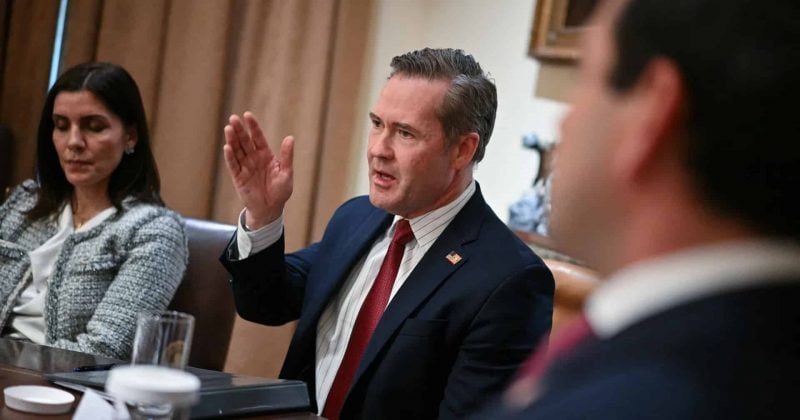
U.S. Ambassador Mike Waltz has sharply criticized Iran’s leadership, stating that few would mourn Supreme Leader Ali Khamenei, whom he accused of having “his own people’s blood” on his hands. Waltz called on the United Nations to highlight Iran’s recent executions of protesters. This statement marks a significant diplomatic escalation in the ongoing tensions following the 2026 Iran War, which saw U.S. and Israeli forces initiate strikes that resulted in Khamenei’s assassination. The situation remains tense as a 60-day ceasefire extension is currently in place, brokered in part by the Islamabad Memorandum. Waltz’s comments appear to indicate mounting international pressure on Iran’s regime amid continued unrest.

Advertisement

Key Takeaways

  • Waltz’s remarks appear to escalate diplomatic tensions, suggesting increased scrutiny on Iran’s leadership instability.
  • The ongoing ceasefire under the Islamabad Memorandum maintains a fragile peace, but recent rhetoric indicates potential challenges.
  • Market pricing indicates that participants may view a change in Iran’s leadership as more likely by the end of 2026.

What to Watch

Observers should watch for further international responses to Waltz’s statements, which could increase diplomatic pressure on Iran. Developments regarding the ceasefire’s status, as well as any substantive changes in Iran’s internal leadership dynamics, will be key indicators. These events could influence market perceptions about the likelihood of Iran maintaining a stable head of state by the end of 2026.

Get prediction market intelligence as a structured API feed. Early access waitlist.

Disclosure: This article was edited by Estefano Gomez. For more information on how we create and review content, see our Editorial Policy.

US Ambassador Waltz criticizes Iran’s Khamenei, urges UN action on executions

US Ambassador Waltz criticizes Iran’s Khamenei, urges UN action on executions

Iran leadership status by end of 2026

https://www.axios.com/2025/05/01/waltz-resigns-trump-admin-signal-scandal

U.S. Ambassador Mike Waltz has sharply criticized Iran’s leadership, stating that few would mourn Supreme Leader Ali Khamenei, whom he accused of having “his own people’s blood” on his hands. Waltz called on the United Nations to highlight Iran’s recent executions of protesters. This statement marks a significant diplomatic escalation in the ongoing tensions following the 2026 Iran War, which saw U.S. and Israeli forces initiate strikes that resulted in Khamenei’s assassination. The situation remains tense as a 60-day ceasefire extension is currently in place, brokered in part by the Islamabad Memorandum. Waltz’s comments appear to indicate mounting international pressure on Iran’s regime amid continued unrest.

Advertisement

Key Takeaways

  • Waltz’s remarks appear to escalate diplomatic tensions, suggesting increased scrutiny on Iran’s leadership instability.
  • The ongoing ceasefire under the Islamabad Memorandum maintains a fragile peace, but recent rhetoric indicates potential challenges.
  • Market pricing indicates that participants may view a change in Iran’s leadership as more likely by the end of 2026.

What to Watch

Observers should watch for further international responses to Waltz’s statements, which could increase diplomatic pressure on Iran. Developments regarding the ceasefire’s status, as well as any substantive changes in Iran’s internal leadership dynamics, will be key indicators. These events could influence market perceptions about the likelihood of Iran maintaining a stable head of state by the end of 2026.

Get prediction market intelligence as a structured API feed. Early access waitlist.

Disclosure: This article was edited by Estefano Gomez. For more information on how we create and review content, see our Editorial Policy.