
US Central Command investigates reports of strikes hitting water facility in Iran
Precision strikes near the Strait of Hormuz reportedly damaged water reservoirs serving 20,000 residents, raising questions about civilian infrastructure protections
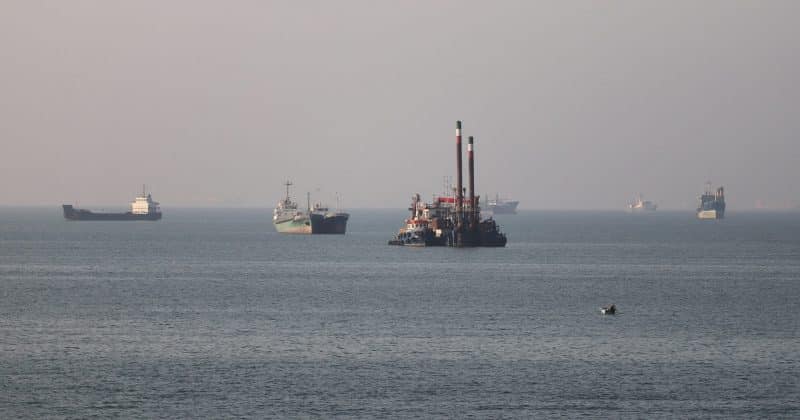
US Central Command is investigating whether American military strikes near the Strait of Hormuz damaged a civilian water facility in southern Iran, an incident that could escalate an already tense standoff between Washington and Tehran into something far more complicated.
The strikes, carried out on June 9-10, reportedly hit two concrete water reservoirs in the Bamani district of Sirik County, Hormozgan Province. Those reservoirs supplied drinking water to roughly 20,000 residents in Kouhestak and surrounding communities.
What happened on the ground
The US operation was designed to target Iranian air defense and surveillance systems near one of the world’s most strategically important shipping corridors. CENTCOM officials have emphasized that the strikes were aimed exclusively at military sites, not civilian infrastructure.
But the reservoirs, with a combined capacity estimated between 2.5 and 3.5 million liters, tell a different story on the ground. Iranian officials described the damage as a direct hit to civilian water infrastructure, a characterization that carries significant legal weight under international humanitarian law.
Whether the water facility was struck intentionally or caught in the blast radius of a nearby military target matters enormously. Intentional targeting of civilian water supplies could constitute a war crime. Accidental damage, while still serious, falls into a different legal and diplomatic category entirely.
Water supply to the affected areas was reportedly restored within 12 hours through emergency tanker truck deliveries.
Macro, rates, and crypto—what moved markets and what matters next.
Daily. Free. Join 34,000+ readers across crypto, finance, and policy.
The broader escalation cycle
This incident didn’t happen in a vacuum. The US and Iran have been locked in a cycle of tit-for-tat military exchanges since early 2026, triggered by the downing of a US Army helicopter earlier in the year.
Each round of strikes has ratcheted up the stakes, with operations now occurring near the Strait of Hormuz, through which roughly a fifth of the world’s oil supply passes on any given day.
Iranian officials are framing this as an attack on civilians during a humanitarian crisis, pointing to the country’s ongoing severe drought conditions.
What this means for markets and investors
The immediate market concern is oil. Any military confrontation near the Strait of Hormuz sends energy traders into high alert. Sustained escalation between the US and Iran could push crude prices higher, which feeds into inflation expectations, which influences central bank policy, which ultimately affects risk appetite across equities and crypto alike.
What’s more predictable is what happens if the conflict triggers new sanctions or disrupts energy markets for an extended period. Sanctions on Iranian oil exports have historically reshuffled global trade flows, and any expansion of the current sanctions regime could affect payment networks, correspondent banking relationships, and cross-border capital flows.