
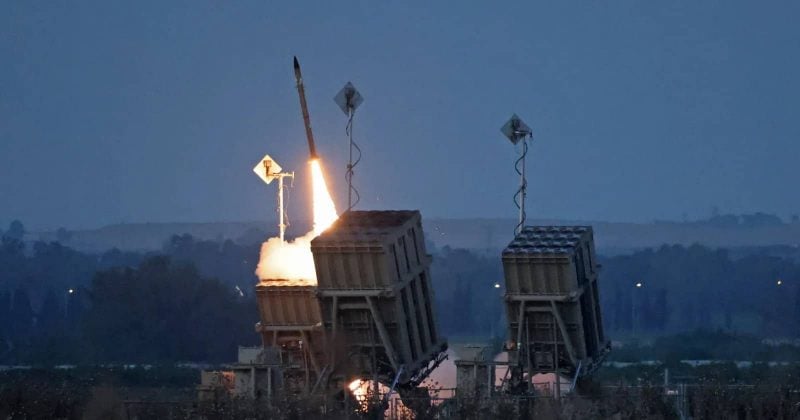
US deploys Iron Dome on Guam amid China missile threat drills

https://www.newsweek.com/map-iron-dome-systems-1833552

US deploys Iron Dome on Guam amid China missile threat drills

China invasion of Taiwan

The US Marine Corps has reportedly deployed Iron Dome interceptors on Guam as part of military drills aimed at countering potential Chinese missile threats, according to the Jerusalem Post. This deployment marks a strategic move in the Asia-Pacific region, aligning with a Congressional mandate to enhance missile defense capabilities. Although the Iron Dome system is primarily intended to protect against cruise missiles, it forms part of a broader defensive strategy involving integration with other systems like THAAD. The exercises occur amid ongoing tensions between the US and China, particularly over the Taiwan Strait and South China Sea.

Advertisement

Key Takeaways

  • The deployment appears to indicate increased US military readiness in the Asia-Pacific region, consistent with heightened preparedness against potential Chinese aggression.
  • Market activity suggests the drills could be interpreted as raising the perceived likelihood of a military clash between China and Taiwan.
  • The Iron Dome’s presence on Guam supports scenarios where the US strengthens its missile defense posture against regional threats.

What to Watch

Observers should monitor further military developments between the US and China, especially any changes in military communication channels that might de-escalate or heighten regional tensions. Any official statements from the US Department of Defense regarding the outcomes of these drills could impact market perceptions. Continued military exercises or enhancements in missile defense systems could be seen as consistent with increased YES outcome support in scenarios involving potential conflicts in the region.

Get prediction market intelligence as a structured API feed. Early access waitlist.

Disclosure: This article was edited by Estefano Gomez. For more information on how we create and review content, see our Editorial Policy.

US deploys Iron Dome on Guam amid China missile threat drills

US deploys Iron Dome on Guam amid China missile threat drills

China invasion of Taiwan

https://www.newsweek.com/map-iron-dome-systems-1833552

The US Marine Corps has reportedly deployed Iron Dome interceptors on Guam as part of military drills aimed at countering potential Chinese missile threats, according to the Jerusalem Post. This deployment marks a strategic move in the Asia-Pacific region, aligning with a Congressional mandate to enhance missile defense capabilities. Although the Iron Dome system is primarily intended to protect against cruise missiles, it forms part of a broader defensive strategy involving integration with other systems like THAAD. The exercises occur amid ongoing tensions between the US and China, particularly over the Taiwan Strait and South China Sea.

Advertisement

Key Takeaways

  • The deployment appears to indicate increased US military readiness in the Asia-Pacific region, consistent with heightened preparedness against potential Chinese aggression.
  • Market activity suggests the drills could be interpreted as raising the perceived likelihood of a military clash between China and Taiwan.
  • The Iron Dome’s presence on Guam supports scenarios where the US strengthens its missile defense posture against regional threats.

What to Watch

Observers should monitor further military developments between the US and China, especially any changes in military communication channels that might de-escalate or heighten regional tensions. Any official statements from the US Department of Defense regarding the outcomes of these drills could impact market perceptions. Continued military exercises or enhancements in missile defense systems could be seen as consistent with increased YES outcome support in scenarios involving potential conflicts in the region.

Get prediction market intelligence as a structured API feed. Early access waitlist.

Disclosure: This article was edited by Estefano Gomez. For more information on how we create and review content, see our Editorial Policy.