
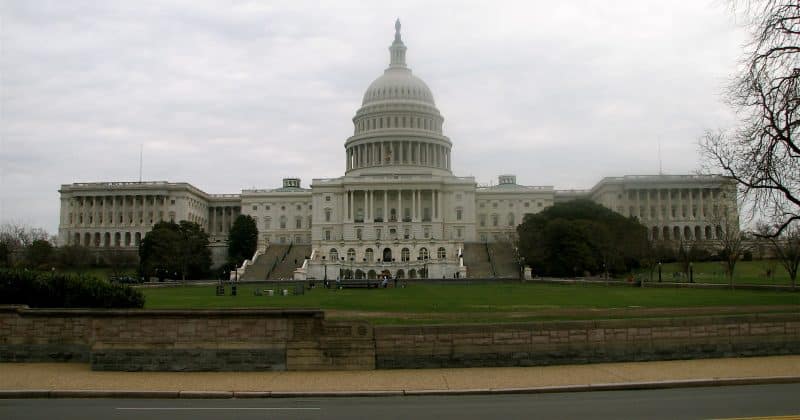
US House and Senate reach agreement on sweeping housing bill that includes CBDC ban until 2030

US House and Senate reach agreement on sweeping housing bill that includes CBDC ban until 2030

The 21st Century ROAD to Housing Act passed with massive bipartisan support and quietly slipped in a provision freezing Federal Reserve digital currency development

Congress just passed the most significant housing legislation in a generation. Tucked inside it is a provision that crypto investors should pay very close attention to.

The 21st Century ROAD to Housing Act cleared the House on May 20, 2026, with a 396-13 vote, following the Senate’s 89-10 approval on March 12. The bill represents a merger of two earlier legislative efforts: the Senate’s ROAD to Housing Act of 2025 and the House’s Housing for the 21st Century Act. The House had previously passed its own version on February 9, 2026, with a 390-9 vote. Senate Banking Committee Chairman Tim Scott (R-SC) and Ranking Member Elizabeth Warren (D-MA) co-sponsored the legislation.

A housing bill with a crypto surprise

The legislation streamlines permitting to boost housing supply, modernizes federal housing assistance programs, and expands financing options through regulatory easing.

Advertisement

Section 1001 includes a temporary ban on the Federal Reserve issuing a central bank digital currency until at least 2030. The CBDC pause has drawn strong support from the Trump administration, which has consistently positioned itself as skeptical of government-issued digital currencies while maintaining a more permissive stance toward private crypto markets.

What’s actually in the housing provisions

The legislation is being called the most consequential housing reform since the landmark bills of the 1960s and 1990s.

Section 901 introduces restrictions on large institutional investors purchasing single-family homes. The bill also streamlines the permitting process for new housing construction. Federal housing assistance programs are getting an overhaul as well, with updates to programs that serve families, seniors, and veterans.

As of June 2026, the bill is pending further Senate action on recent House amendments. Industry groups have been vocal about pushing for rapid resolution, wanting to lock in the regulatory certainty before midterm election dynamics potentially complicate the timeline.

What this means for crypto investors and the broader market

For stablecoin issuers like Circle and Tether, a delayed government digital dollar removes a potential competitor from the landscape for years. A Fed-issued CBDC would have directly competed with private stablecoins for the same use cases: payments, settlements, and dollar-denominated digital transactions.

Restrictions on institutional investors buying single-family homes could reshape real estate investment strategies significantly. Large firms that have been acquiring residential properties at scale will need to adjust their playbooks.

Disclosure: This article was edited by Editorial Team. For more information on how we create and review content, see our Editorial Policy.

US House and Senate reach agreement on sweeping housing bill that includes CBDC ban until 2030

US House and Senate reach agreement on sweeping housing bill that includes CBDC ban until 2030

The 21st Century ROAD to Housing Act passed with massive bipartisan support and quietly slipped in a provision freezing Federal Reserve digital currency development

Congress just passed the most significant housing legislation in a generation. Tucked inside it is a provision that crypto investors should pay very close attention to.

The 21st Century ROAD to Housing Act cleared the House on May 20, 2026, with a 396-13 vote, following the Senate’s 89-10 approval on March 12. The bill represents a merger of two earlier legislative efforts: the Senate’s ROAD to Housing Act of 2025 and the House’s Housing for the 21st Century Act. The House had previously passed its own version on February 9, 2026, with a 390-9 vote. Senate Banking Committee Chairman Tim Scott (R-SC) and Ranking Member Elizabeth Warren (D-MA) co-sponsored the legislation.

A housing bill with a crypto surprise

The legislation streamlines permitting to boost housing supply, modernizes federal housing assistance programs, and expands financing options through regulatory easing.

Advertisement

Section 1001 includes a temporary ban on the Federal Reserve issuing a central bank digital currency until at least 2030. The CBDC pause has drawn strong support from the Trump administration, which has consistently positioned itself as skeptical of government-issued digital currencies while maintaining a more permissive stance toward private crypto markets.

What’s actually in the housing provisions

The legislation is being called the most consequential housing reform since the landmark bills of the 1960s and 1990s.

Section 901 introduces restrictions on large institutional investors purchasing single-family homes. The bill also streamlines the permitting process for new housing construction. Federal housing assistance programs are getting an overhaul as well, with updates to programs that serve families, seniors, and veterans.

As of June 2026, the bill is pending further Senate action on recent House amendments. Industry groups have been vocal about pushing for rapid resolution, wanting to lock in the regulatory certainty before midterm election dynamics potentially complicate the timeline.

What this means for crypto investors and the broader market

For stablecoin issuers like Circle and Tether, a delayed government digital dollar removes a potential competitor from the landscape for years. A Fed-issued CBDC would have directly competed with private stablecoins for the same use cases: payments, settlements, and dollar-denominated digital transactions.

Restrictions on institutional investors buying single-family homes could reshape real estate investment strategies significantly. Large firms that have been acquiring residential properties at scale will need to adjust their playbooks.

Disclosure: This article was edited by Editorial Team. For more information on how we create and review content, see our Editorial Policy.