
Nexo Earn with Nexo
US housing starts fall 15% in May as building permits inch higher

US housing starts fall 15% in May as building permits inch higher

The sharpest monthly drop in housing construction this year raises fresh questions about economic momentum and what it means for risk assets like crypto.

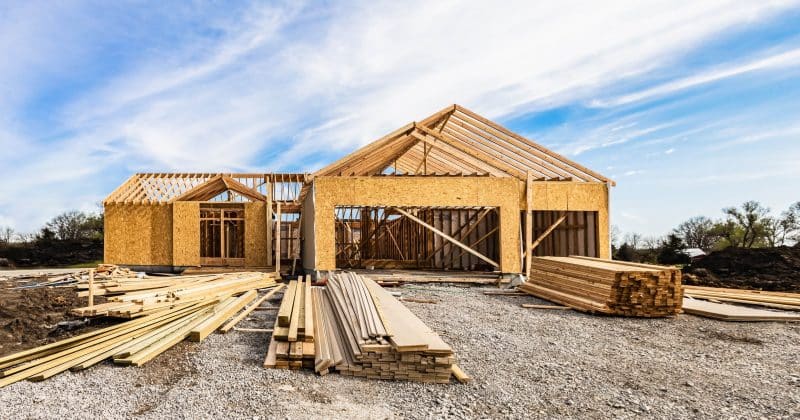
New home construction in the US cratered in May, with housing starts dropping 15.4% from April to a seasonally adjusted annual rate of 1.177 million units.

The data, released by the US Census Bureau, shows starts falling not just month-over-month but also 8.7% compared to the same period last year. April’s revised figure of 1.392 million already reflected a housing market under pressure.

What the numbers actually show

Permits slipped a modest 0.7% to 1.413 million SAAR. Single-family permits actually ticked up 0.6% to 886,000, suggesting builders haven’t completely lost faith in demand for standalone homes.

Single-family starts came in at 882,000, a 1.9% decline from April. Multifamily starts, which cover apartment buildings and condos, totaled just 284,000.

Advertisement

That gap between permits and starts matters. It means builders are approved to build but choosing not to, which typically signals concerns about costs, demand, or both.

April’s starts had already been revised to show a 2.8% monthly decline from March, landing at 1.465 million. The May 21 report containing that data was already raising eyebrows.

Why construction is stalling

Mortgage rates remain stubbornly above 6%, which prices out a significant chunk of potential buyers and dampens the enthusiasm builders need to justify new projects.

Labor shortages continue to plague the construction industry. Construction costs have climbed alongside those challenges, squeezing margins for builders who are already cautious about demand.

Rising import and export prices add another layer of difficulty. Building materials that rely on global supply chains get more expensive when trade costs rise, and the latest data shows both import and export prices trending upward.

What this means for investors and crypto markets

A sustained decline in housing activity can erode consumer confidence, reduce spending, and slow GDP growth. For the Federal Reserve, that creates a tricky balancing act. Weak economic data could push the Fed toward cutting interest rates to stimulate growth. Rate cuts, in turn, tend to boost risk assets because cheaper borrowing makes speculative investments more attractive relative to safer alternatives like bonds.

If housing weakness accelerates enough to change the Fed’s calculus on rates, that could become a tailwind for crypto. Lower rates have historically correlated with increased appetite for speculative assets.

The key variable to watch is whether this housing decline stays contained or becomes part of a broader economic softening. A pattern of declining construction activity, combined with rising input costs and persistent affordability challenges from 6%-plus mortgage rates, starts to look like something more structural.

Disclosure: This article was edited by Editorial Team. For more information on how we create and review content, see our Editorial Policy.

US housing starts fall 15% in May as building permits inch higher

US housing starts fall 15% in May as building permits inch higher

The sharpest monthly drop in housing construction this year raises fresh questions about economic momentum and what it means for risk assets like crypto.

New home construction in the US cratered in May, with housing starts dropping 15.4% from April to a seasonally adjusted annual rate of 1.177 million units.

The data, released by the US Census Bureau, shows starts falling not just month-over-month but also 8.7% compared to the same period last year. April’s revised figure of 1.392 million already reflected a housing market under pressure.

What the numbers actually show

Permits slipped a modest 0.7% to 1.413 million SAAR. Single-family permits actually ticked up 0.6% to 886,000, suggesting builders haven’t completely lost faith in demand for standalone homes.

Single-family starts came in at 882,000, a 1.9% decline from April. Multifamily starts, which cover apartment buildings and condos, totaled just 284,000.

Advertisement

That gap between permits and starts matters. It means builders are approved to build but choosing not to, which typically signals concerns about costs, demand, or both.

April’s starts had already been revised to show a 2.8% monthly decline from March, landing at 1.465 million. The May 21 report containing that data was already raising eyebrows.

Why construction is stalling

Mortgage rates remain stubbornly above 6%, which prices out a significant chunk of potential buyers and dampens the enthusiasm builders need to justify new projects.

Labor shortages continue to plague the construction industry. Construction costs have climbed alongside those challenges, squeezing margins for builders who are already cautious about demand.

Rising import and export prices add another layer of difficulty. Building materials that rely on global supply chains get more expensive when trade costs rise, and the latest data shows both import and export prices trending upward.

What this means for investors and crypto markets

A sustained decline in housing activity can erode consumer confidence, reduce spending, and slow GDP growth. For the Federal Reserve, that creates a tricky balancing act. Weak economic data could push the Fed toward cutting interest rates to stimulate growth. Rate cuts, in turn, tend to boost risk assets because cheaper borrowing makes speculative investments more attractive relative to safer alternatives like bonds.

If housing weakness accelerates enough to change the Fed’s calculus on rates, that could become a tailwind for crypto. Lower rates have historically correlated with increased appetite for speculative assets.

The key variable to watch is whether this housing decline stays contained or becomes part of a broader economic softening. A pattern of declining construction activity, combined with rising input costs and persistent affordability challenges from 6%-plus mortgage rates, starts to look like something more structural.

Disclosure: This article was edited by Editorial Team. For more information on how we create and review content, see our Editorial Policy.