
Nexo Earn with Nexo
US and Iran confirm deal to end war, reopen Strait of Hormuz as crypto markets recalibrate

US and Iran confirm deal to end war, reopen Strait of Hormuz as crypto markets recalibrate

The interim agreement to unblock the world's most critical oil chokepoint is already reshaping risk appetite across traditional and digital asset markets.

The US and Iran announced an interim agreement on June 14, 2026, to halt hostilities and reopen the Strait of Hormuz to commercial shipping. Asian stock markets surged on the news, oil prices dropped, and Bitcoin, which had been battered by months of wartime uncertainty, started clawing back losses.

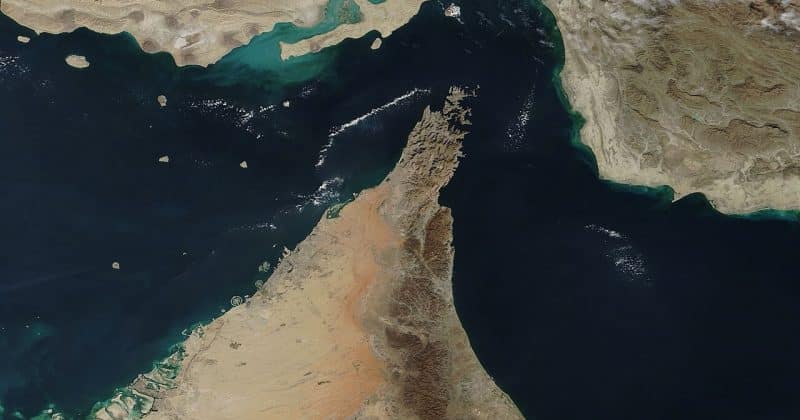
The Strait of Hormuz carries roughly 20% of the world’s oil shipments. Its reopening, even on a conditional basis, rewrites the near-term calculus for every asset class that prices in geopolitical risk, and that includes crypto.

What the deal actually says

President Donald Trump disclosed the framework of the memorandum of understanding, stating that the strait would reopen toll-free once the document is signed. The target date for that signing is June 19, 2026.

The agreement commits the US to lifting its naval blockade on Iranian ports. In exchange, the two sides have carved out a follow-up negotiation window of up to 60 days to address Iran’s nuclear program. Pakistan played a mediation role in getting the parties to the table.

Advertisement

This is still an interim deal, with ratification pending, and the 60-day nuclear negotiation window carries its own considerable risk of collapse.

Bitcoin’s wartime rollercoaster

Bitcoin has had a rough stretch. The flagship cryptocurrency dipped below $80K in May as the US-Iran conflict escalated, and by June 11, it was trading near $63,400 amid a cascade of conflict-driven headlines.

The peace deal announcement appears to have flipped the script. Bitcoin began recovering on the back of speculation that a deal was imminent, and the June 14 confirmation accelerated that move. The logic is straightforward: lower oil prices reduce inflation expectations, which eases pressure on central banks, which makes risk assets more attractive.

Perhaps more intriguing are reports that Iran was considering accepting Bitcoin and stablecoins as payment for transit fees related to the strait’s reopening. If that materializes, it would represent one of the more notable instances of a sovereign nation integrating crypto into its trade infrastructure. To be clear, this hasn’t been formalized.

What this means for investors

The Strait of Hormuz’s reopening means roughly one-fifth of global oil supply can flow freely again. Energy prices should decline, and with them, the input costs that have kept inflation sticky in the US and Europe for months.

The bigger question is what happens if the deal falls apart. The 60-day negotiation window for Iran’s nuclear program is the obvious tripwire. If talks stall or collapse, the return of blockade risk would likely hammer both oil markets and crypto in tandem, potentially taking Bitcoin back toward the $63K levels it was scraping just days ago.

Traders should also watch the stablecoin angle closely. If Iran does formalize crypto-based transit fees, it creates a real-world demand driver for stablecoins that exists entirely outside the speculative cycle.

Disclosure: This article was edited by Editorial Team. For more information on how we create and review content, see our Editorial Policy.

US and Iran confirm deal to end war, reopen Strait of Hormuz as crypto markets recalibrate

US and Iran confirm deal to end war, reopen Strait of Hormuz as crypto markets recalibrate

The interim agreement to unblock the world's most critical oil chokepoint is already reshaping risk appetite across traditional and digital asset markets.

The US and Iran announced an interim agreement on June 14, 2026, to halt hostilities and reopen the Strait of Hormuz to commercial shipping. Asian stock markets surged on the news, oil prices dropped, and Bitcoin, which had been battered by months of wartime uncertainty, started clawing back losses.

The Strait of Hormuz carries roughly 20% of the world’s oil shipments. Its reopening, even on a conditional basis, rewrites the near-term calculus for every asset class that prices in geopolitical risk, and that includes crypto.

What the deal actually says

President Donald Trump disclosed the framework of the memorandum of understanding, stating that the strait would reopen toll-free once the document is signed. The target date for that signing is June 19, 2026.

The agreement commits the US to lifting its naval blockade on Iranian ports. In exchange, the two sides have carved out a follow-up negotiation window of up to 60 days to address Iran’s nuclear program. Pakistan played a mediation role in getting the parties to the table.

Advertisement

This is still an interim deal, with ratification pending, and the 60-day nuclear negotiation window carries its own considerable risk of collapse.

Bitcoin’s wartime rollercoaster

Bitcoin has had a rough stretch. The flagship cryptocurrency dipped below $80K in May as the US-Iran conflict escalated, and by June 11, it was trading near $63,400 amid a cascade of conflict-driven headlines.

The peace deal announcement appears to have flipped the script. Bitcoin began recovering on the back of speculation that a deal was imminent, and the June 14 confirmation accelerated that move. The logic is straightforward: lower oil prices reduce inflation expectations, which eases pressure on central banks, which makes risk assets more attractive.

Perhaps more intriguing are reports that Iran was considering accepting Bitcoin and stablecoins as payment for transit fees related to the strait’s reopening. If that materializes, it would represent one of the more notable instances of a sovereign nation integrating crypto into its trade infrastructure. To be clear, this hasn’t been formalized.

What this means for investors

The Strait of Hormuz’s reopening means roughly one-fifth of global oil supply can flow freely again. Energy prices should decline, and with them, the input costs that have kept inflation sticky in the US and Europe for months.

The bigger question is what happens if the deal falls apart. The 60-day negotiation window for Iran’s nuclear program is the obvious tripwire. If talks stall or collapse, the return of blockade risk would likely hammer both oil markets and crypto in tandem, potentially taking Bitcoin back toward the $63K levels it was scraping just days ago.

Traders should also watch the stablecoin angle closely. If Iran does formalize crypto-based transit fees, it creates a real-world demand driver for stablecoins that exists entirely outside the speculative cycle.

Disclosure: This article was edited by Editorial Team. For more information on how we create and review content, see our Editorial Policy.