
Nexo Earn with Nexo
US says it knows where Iran’s mines are in the Strait of Hormuz, expects shipping to normalize within 30 days

US says it knows where Iran’s mines are in the Strait of Hormuz, expects shipping to normalize within 30 days

The world's most important oil chokepoint has seen ship traffic collapse from 140 vessels per day to roughly 7, with ripple effects reaching Bitcoin markets

The US government says it has mapped the locations of Iranian mines scattered across the Strait of Hormuz and expects normal shipping traffic to resume within 30 days once Iran removes them.

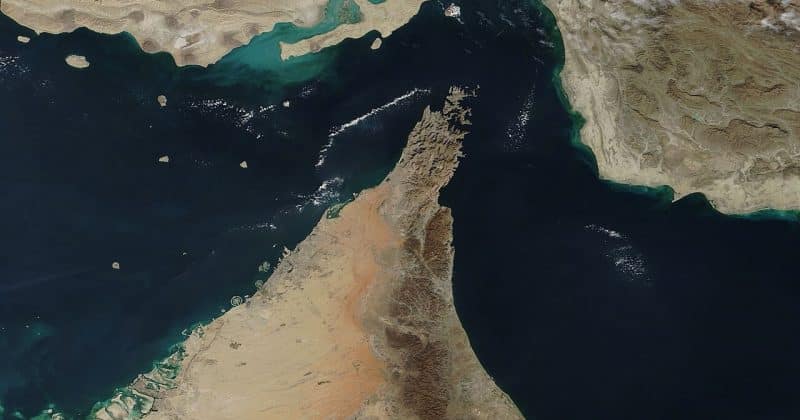
The strait normally handles around 140 ships per day. That number has cratered to about 7. Roughly 20% of the world’s oil supply passes through this narrow waterway between Iran and Oman.

What happened and what’s being done about it

Iran began deploying mines in the strait as early as March 2026, with additional placements reported through mid-April. The mines have proven difficult to track, in part because some have drifted from their original positions, complicating both Iranian and American efforts to catalog their locations.

US naval operations to support mine-clearing kicked off on April 11, following a ceasefire between the US and Iran. Destroyers including the USS Frank E. Peterson and USS Michael Murphy have been deployed to the area to assist with clearance operations.

Advertisement

The 30-day normalization window that US officials are projecting hinges on Iran actually removing the mines. Iran reportedly struggled to locate some of its own drifting mines. Reports indicate Iran continued laying mines even into mid-April, suggesting the situation was still evolving well after the ceasefire began.

Iran’s Bitcoin toll experiment

During the two-week ceasefire period, Iran reportedly attempted something unusual: charging tolls of approximately $1 per barrel for tanker passage, payable in Bitcoin, stablecoins, or yuan.

Whether any meaningful volume of these payments actually settled on-chain remains unclear. Large-scale on-chain settlement evidence is scarce, which suggests the initiative was either limited in scope, conducted through intermediaries, or simply didn’t gain much traction with tanker operators during the brief window.

How Bitcoin markets reacted

Bitcoin’s price action in April 2026 tracked the Hormuz situation with surprising fidelity. The asset swung between roughly $71,000 and north of $78,000, with movements closely correlated to news flow from the strait.

Solana also experienced significant price swings during the same period, though the correlation to Hormuz-specific headlines was less direct.

What this means for investors

The 30-day normalization claim from US officials is the number to watch. If shipping traffic genuinely recovers to something close to 140 vessels per day within that window, the oil supply scare dissipates and much of the geopolitical risk premium baked into commodities, and by extension crypto, unwinds.

Iran’s crypto toll experiment, even if it produced negligible on-chain volume, also introduces a new variable into the regulatory equation. US and European regulators have been tightening crypto compliance rules for years, and a high-profile case of a sanctioned nation using Bitcoin for sovereign toll collection could accelerate enforcement actions against mixers, privacy coins, and non-compliant exchanges.

Disclosure: This article was edited by Editorial Team. For more information on how we create and review content, see our Editorial Policy.

US says it knows where Iran’s mines are in the Strait of Hormuz, expects shipping to normalize within 30 days

US says it knows where Iran’s mines are in the Strait of Hormuz, expects shipping to normalize within 30 days

The world's most important oil chokepoint has seen ship traffic collapse from 140 vessels per day to roughly 7, with ripple effects reaching Bitcoin markets

The US government says it has mapped the locations of Iranian mines scattered across the Strait of Hormuz and expects normal shipping traffic to resume within 30 days once Iran removes them.

The strait normally handles around 140 ships per day. That number has cratered to about 7. Roughly 20% of the world’s oil supply passes through this narrow waterway between Iran and Oman.

What happened and what’s being done about it

Iran began deploying mines in the strait as early as March 2026, with additional placements reported through mid-April. The mines have proven difficult to track, in part because some have drifted from their original positions, complicating both Iranian and American efforts to catalog their locations.

US naval operations to support mine-clearing kicked off on April 11, following a ceasefire between the US and Iran. Destroyers including the USS Frank E. Peterson and USS Michael Murphy have been deployed to the area to assist with clearance operations.

Advertisement

The 30-day normalization window that US officials are projecting hinges on Iran actually removing the mines. Iran reportedly struggled to locate some of its own drifting mines. Reports indicate Iran continued laying mines even into mid-April, suggesting the situation was still evolving well after the ceasefire began.

Iran’s Bitcoin toll experiment

During the two-week ceasefire period, Iran reportedly attempted something unusual: charging tolls of approximately $1 per barrel for tanker passage, payable in Bitcoin, stablecoins, or yuan.

Whether any meaningful volume of these payments actually settled on-chain remains unclear. Large-scale on-chain settlement evidence is scarce, which suggests the initiative was either limited in scope, conducted through intermediaries, or simply didn’t gain much traction with tanker operators during the brief window.

How Bitcoin markets reacted

Bitcoin’s price action in April 2026 tracked the Hormuz situation with surprising fidelity. The asset swung between roughly $71,000 and north of $78,000, with movements closely correlated to news flow from the strait.

Solana also experienced significant price swings during the same period, though the correlation to Hormuz-specific headlines was less direct.

What this means for investors

The 30-day normalization claim from US officials is the number to watch. If shipping traffic genuinely recovers to something close to 140 vessels per day within that window, the oil supply scare dissipates and much of the geopolitical risk premium baked into commodities, and by extension crypto, unwinds.

Iran’s crypto toll experiment, even if it produced negligible on-chain volume, also introduces a new variable into the regulatory equation. US and European regulators have been tightening crypto compliance rules for years, and a high-profile case of a sanctioned nation using Bitcoin for sovereign toll collection could accelerate enforcement actions against mixers, privacy coins, and non-compliant exchanges.

Disclosure: This article was edited by Editorial Team. For more information on how we create and review content, see our Editorial Policy.