
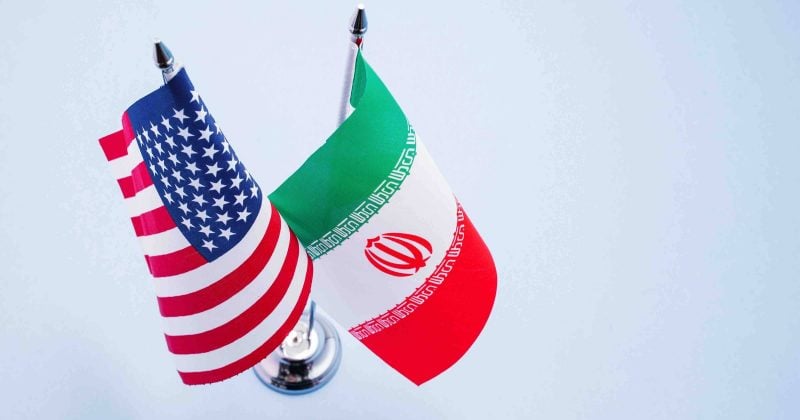
US and Iran discuss remote signing of MOU as early as Wednesday, activating Strait of Hormuz provisions
The digital agreement could reopen one of the world's most critical oil chokepoints and kick off 60 days of nuclear negotiations
The US and Iran are in discussions to electronically sign a memorandum of understanding as early as Wednesday, a move that would activate provisions related to the Strait of Hormuz and mark the most significant diplomatic breakthrough between the two nations in months.
The MOU, which has been taking shape through back-channel mediation by Pakistan and Qatar, would extend a ceasefire, reopen the Strait of Hormuz to shipping traffic, and launch a 60-day window of technical negotiations focused on Iran’s nuclear program. Crypto markets have already started pricing in the optimism.
What the deal actually covers
Roughly a fifth of the world’s oil passes through the Strait of Hormuz, the narrow waterway between Iran and the Arabian Peninsula.
The MOU framework addresses this directly. Its core provisions include reopening the strait to commercial shipping, extending the existing ceasefire between the two sides, and establishing a structured 60-day negotiation period centered on Iran’s nuclear activities.
A formal signing ceremony is anticipated for June 19 in Geneva, but the electronic signing being discussed for Wednesday would effectively activate the agreement’s provisions ahead of that event. Key figures involved in the process include US President Donald Trump, Vice President JD Vance, and Iranian Parliament Speaker Mohammad-Bagher Ghalibaf.
The harder questions, think nuclear verification protocols and missile program discussions, are being deliberately deferred to the 60-day negotiation window.
The news moving money, markets, and the world—before your day starts.
Daily. Free. Join 34,000+ readers across crypto, finance, and policy.
Nearly four months of tension
The MOU comes after roughly four months of escalating conflict centered on the strait. During that period, diplomatic communication between Washington and Tehran had largely broken down, with Pakistan and Qatar stepping in as intermediaries to keep some channel of dialogue open.
Analysts tracking the negotiations have characterized the MOU as a tactical step designed to create space for deeper talks rather than a definitive resolution of the underlying disputes.
Why crypto markets care about an oil chokepoint
Crypto markets have already responded to the de-escalation signals. Both Bitcoin and Ethereum rallied as news of the MOU discussions circulated, with traders interpreting the diplomatic progress as a green light for broader risk appetite.
What investors should actually watch
The 60-day negotiation window is the variable that matters most. Traders should also be tracking any changes to sanctions regimes that might emerge from the MOU process.
The 2015 JCPOA took years of negotiation and was eventually abandoned by the Trump administration during its first term. The fact that this MOU is being characterized as a time-buying measure rather than a comprehensive agreement should temper expectations accordingly.
The Geneva ceremony on June 19 will be the next major catalyst.