
US and Iran set to resume nuclear talks in Pakistan on July 11, and crypto markets are watching closely
The next round of negotiations between Washington and Tehran could shape geopolitical risk sentiment across digital asset markets for the rest of the summer.
The United States and Iran will sit back down at the negotiating table on July 11, this time in Islamabad, Pakistan. For crypto investors, the timing matters: diplomatic progress between these two adversaries has already proven it can move Bitcoin’s price, and the next round of talks could either extend the current risk-on mood or shatter it.
The announcement comes after previous talks in Islamabad on April 11-12 lasted 21 hours but ended without an agreement.
What’s actually on the table
The core issues haven’t changed much from the last session: nuclear limitations, sanctions relief, and regional stability, particularly around the Strait of Hormuz. The Strait handles roughly a fifth of the world’s oil supply, and any disruption there sends shockwaves through every asset class, crypto included.
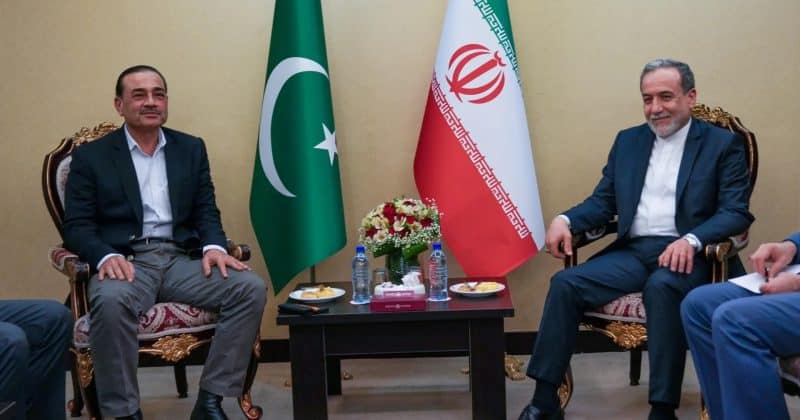
Key participants reportedly include US Vice President JD Vance and Iranian Foreign Minister Abbas Araghchi. Pakistan continues to serve as mediator, having hosted multiple negotiation rounds throughout the broader diplomatic process.
A 60-day roadmap, established under what’s being called the Islamabad Memorandum, is guiding the structure of these discussions.
The broader backdrop here is the 2026 Iran War and subsequent ceasefires that preceded these diplomatic efforts.
Why crypto traders should care
Bitcoin surged above $61K on positive diplomatic signals from earlier rounds of these talks, demonstrating that the market now prices geopolitical de-escalation as a bullish catalyst.
The news moving money, markets, and the world—before your day starts.
Daily. Free. Join 34,000+ readers across crypto, finance, and policy.
The diplomatic track record so far
Pakistan’s role as mediator has been one of the more interesting subplots of this entire saga. Alongside Qatar, Pakistan has facilitated indirect dialogues between Washington and Tehran when direct communication wasn’t politically feasible.
The previous 21-hour marathon session in April signals that both parties are at least engaged with the substance. The failure to reach agreement despite that marathon highlights how far apart the two sides remain on core issues. Nuclear limitations are the thorniest: Iran wants sanctions relief before making concessions on enrichment, while the US has historically demanded verifiable nuclear steps first. This chicken-and-egg problem has torpedoed every attempted deal since the original JCPOA unraveled.
What investors should watch for
The July 11 session will likely produce one of three outcomes, each with distinct market implications.
Scenario one: meaningful progress toward an agreement, possibly extending or modifying the 60-day roadmap.
Scenario two: another marathon session that ends inconclusively but with both sides committed to continuing talks.
Scenario three: a breakdown in negotiations, with one or both parties publicly signaling frustration or walking away.
One additional factor worth monitoring: oil prices. Any signal from these talks that affects expectations around Strait of Hormuz security will ripple through energy markets first, then propagate into equities and crypto.