
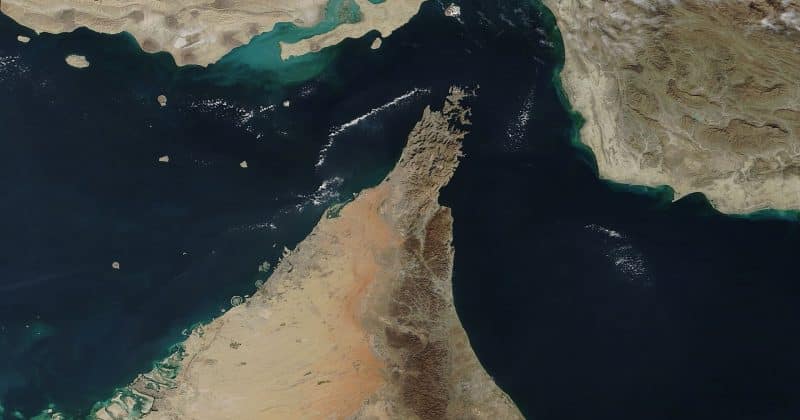
US and Iran reach interim deal to reopen Strait of Hormuz, Bitcoin jumps on easing tensions
Oil prices drop nearly 5% while Bitcoin climbs to its highest level since early June as geopolitical risk recedes from markets
The United States and Iran have struck an interim agreement to reopen the Strait of Hormuz, the narrow waterway that carried roughly 20% of the world’s oil supply before hostilities shut it down earlier this year. The deal, announced on June 14, calls for toll-free commercial shipping to resume and the lifting of the US naval blockade on Iranian ports.
Markets responded immediately. Oil dropped nearly 5% to settle around $81 per barrel. Bitcoin climbed approximately 2%, reaching between $65,700 and $65,820, its highest level since early June.
What the deal actually includes
The agreement extends the existing ceasefire by up to 60 days, creating a window for continued negotiations over Iran’s nuclear program. A formal signing is targeted for June 19 in Switzerland.
The conflict traces back to February 28, when US and Israeli military strikes on Iran triggered a chain of escalations that eventually choked off shipping through the strait.
Pakistan and Qatar played key mediation roles in brokering the agreement, underscoring how the diplomatic math here extends well beyond Washington and Tehran.
Macro, rates, and crypto—what moved markets and what matters next.
Daily. Free. Join 34,000+ readers across crypto, finance, and policy.
Why energy markets moved so fast
Before the conflict, roughly one-fifth of all global oil moved through the Strait of Hormuz. Closing it was like putting a tourniquet on a major artery of the world economy. Reopening it, even conditionally, releases enormous pent-up supply pressure.
What this means for crypto investors
Bitcoin had been trading in a compressed range for weeks as geopolitical uncertainty weighed on risk appetite broadly. Breaking above $65,700 and touching levels not seen since early June signals that the mood is shifting.
Then there’s the wildcard. Unconfirmed reports have circulated suggesting Iran may consider accepting Bitcoin or stablecoins for transit-related fees connected to the strait. If true, that would represent something genuinely new: a sovereign nation integrating digital assets into the infrastructure of international trade.
To be clear, these reports remain unverified, and Iran has a complicated history with crypto that includes both mining operations and outright bans.
What to watch in the coming weeks: whether the June 19 signing in Switzerland actually happens on schedule, whether shipping through the strait resumes without incident, and whether oil prices stabilize near current levels or drift further down as supply normalizes.