
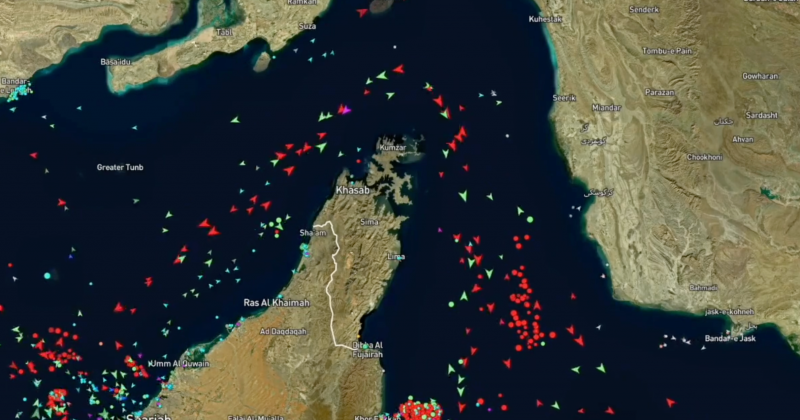
US expects toll-free Strait of Hormuz as Iran prepares to sign deal in Switzerland
Vice President JD Vance confirms Iran's key officials will attend the signing of a memorandum of understanding on June 19, capping weeks of backchannel diplomacy brokered through Pakistan.
The most important chokepoint in global energy markets is about to reopen for business. Vice President JD Vance confirmed that the United States expects the Strait of Hormuz to remain open and toll-free, and that Iran’s key officials will attend the formal signing of a memorandum of understanding in Switzerland.
The signing ceremony is scheduled for June 19, 2026, marking the culmination of a diplomatic process that has moved at unusual speed given the depth of hostilities between Washington and Tehran earlier this year.
From blockade to breakthrough
The closure came after US and Israeli strikes on Iran on February 28, 2026. Iran responded by blockading the strait, effectively choking off a critical artery of international commerce. Oil markets spiraled. Energy prices surged.
The framework agreement announced on June 14 aims to undo all of that. President Donald Trump took to Truth Social to authorize the toll-free reopening of the strait and the simultaneous removal of the US naval blockade. His message to the shipping industry was characteristically blunt: “start your engines.”
The deal includes a 60-day ceasefire period, during which further discussions on Iran’s nuclear program are expected to take place. Pakistan served as the mediator throughout the negotiation process, hosting prior rounds of talks that laid the groundwork for the Swiss signing.
What’s actually in the deal
The memorandum of understanding guarantees that the Strait of Hormuz will remain “permanently toll-free,” restoring the pre-war status quo that the international shipping industry had operated under for decades.
Vance has been the most visible American figure in the negotiations, building on talks conducted through Pakistani intermediaries. His expected presence at the June 19 signing underscores how central the vice president has become to the administration’s Middle East strategy.
The 60-day ceasefire window creates a structured timeline for addressing the harder questions: sanctions relief, Iran’s nuclear ambitions, and the broader security architecture of the Persian Gulf region.
What this means for markets and investors
Oil markets reacted positively to the announcement. The disruption to shipping through the strait had injected severe volatility into energy prices for months. Reopening the strait restores one of the most critical supply corridors in global energy infrastructure, should ease pressure on crude prices, reduce the risk premiums baked into oil futures, and stabilize the cost structures for downstream industries that have been absorbing higher input costs since the blockade began.
The agreement is a memorandum of understanding, not a binding treaty. MOUs are statements of intent, not enforceable contracts under international law. If the 60-day ceasefire window passes without meaningful progress on the nuclear file and sanctions questions, the entire framework could unravel.