
US strikes Iranian targets as peace deal remains elusive, crypto markets reel
Bitcoin plunged below $73K and up to $1 billion in leveraged positions were liquidated as US airstrikes near the Strait of Hormuz shattered hopes for a diplomatic resolution.
US military forces hit Iranian missile sites, boats, and a ground control station near Bandar Abbas over the May 25-27 window, sending shockwaves through crypto markets that are still reverberating. Bitcoin dropped below $73,000, its lowest price in months, while the broader digital asset market shed roughly $80 billion in total value.
The Pentagon framed the strikes as self-defense measures responding to Iranian drone and missile activities threatening American forces and shipping lanes in the Strait of Hormuz. Iran called them a violation of an already fragile ceasefire established in early April.
The damage across crypto markets
Bitcoin’s slide below $73,000 triggered a cascade of forced selling. Reports indicated up to $1 billion in leveraged liquidations across various cryptocurrencies within a 24-hour window. In English: traders who had borrowed money to bet on higher prices got their positions automatically closed out, which pushed prices even lower, which triggered more liquidations.
The carnage wasn’t limited to Bitcoin. Ethereum, Solana, and XRP all fell between 2% and 4% in value.
Meanwhile, oil prices surged on fears that the Strait of Hormuz, through which roughly a fifth of the world’s petroleum passes, could see further disruptions. The divergence tells you everything about how the market currently classifies crypto: not as a safe haven, but as a risk asset that gets sold first when the world gets scary.
Macro, rates, and crypto—what moved markets and what matters next.
Daily. Free. Join 34,000+ readers across crypto, finance, and policy.
How we got here
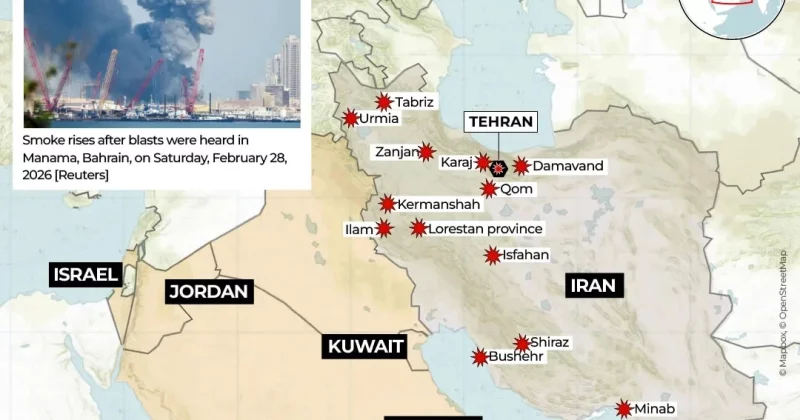
The current escalation didn’t materialize out of thin air. The US and Israel launched major strikes on Iranian targets beginning February 28, 2026, focusing predominantly on nuclear sites. That initial offensive set the stage for months of tit-for-tat tension.
A ceasefire was negotiated in early April, offering a brief window of calm that markets cautiously welcomed. But the agreement was strained almost immediately, with both sides accusing the other of violations. President Trump hinted at progress in broader negotiations, including potential extensions of the ceasefire and nuclear discussions, while simultaneously urging caution.
Iran’s condemnation of the attacks as ceasefire violations adds another layer of diplomatic complexity. Diplomatic talks continue, but the runway for a peaceful resolution appears to be getting shorter with each missile launch.
What this means for crypto investors
The $1 billion liquidation figure is particularly telling. It suggests the market was heavily positioned for upside before the strikes, with traders running significant leverage.
Oil’s move in the opposite direction from crypto also complicates the narrative for anyone trying to use Bitcoin as an inflation hedge. If conflict drives energy prices higher, fueling inflation expectations, and simultaneously drives crypto lower, the “digital gold” thesis faces a serious credibility problem. Gold itself has historically performed well during Middle Eastern conflicts. Bitcoin, at least this time, did not.