
US-Iran talks progress, but meeting by July 3 less likely

https://foreignpolicy.com/2026/04/21/trump-iran-us-negotiations-diplomacy/

US-Iran talks progress, but meeting by July 3 less likely

Next round of US-Iran peace talks

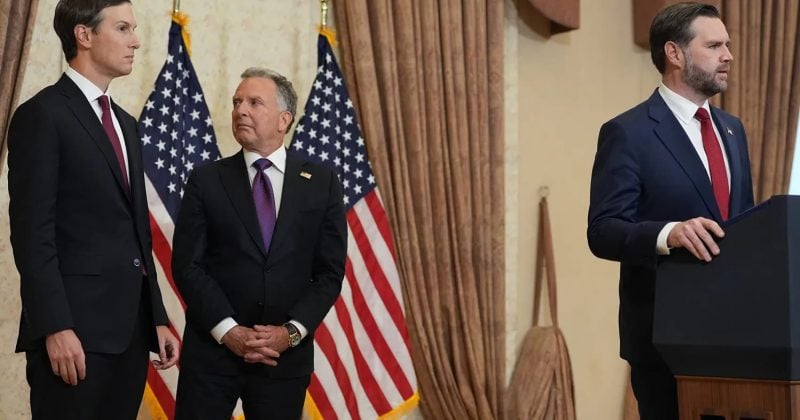
Recent talks between the United States and Iran appear to be making progress, as indicated by Vice President J.D. Vance’s comments and reports from Iran’s deputy foreign minister. These discussions reportedly included the establishment of a monitoring group to oversee the implementation of the Islamabad Memorandum of Understanding (MoU). The MoU, signed following the 2026 Iran War, outlines steps towards a permanent peace accord. Market participants are closely observing these developments, as they could influence the likelihood of a diplomatic meeting occurring before the July 3 deadline.

Market data suggests that expectations for a US-Iran diplomatic meeting by July 3, 2026, have diminished significantly. The probability of such a meeting is currently priced at 6.5%, a sharp decline from 19% just 24 hours earlier. This shift reflects mixed indicators from the negotiations, which are critical for the finalization of a comprehensive peace agreement. Key issues such as IAEA inspector access and sanctions relief remain unresolved, maintaining a level of uncertainty in the region.

Advertisement

While the talks’ progress could suggest a potential increase in diplomatic engagements, the market appears cautious. The outcomes of these talks are pivotal in determining whether the provisional ceasefire can be converted into a lasting peace. The involvement of senior US diplomats and Iranian officials in these negotiations underscores the high stakes and complexity of the situation.

Key Takeaways

  • Market pricing suggests decreased confidence in a US-Iran diplomatic meeting by July 3, consistent with unresolved negotiation issues.
  • The reported progress in talks, including discussions on monitoring the MoU, indicates a potential pathway to further diplomatic engagements.
  • The decline in probability reflects ongoing uncertainties, with key issues such as sanctions relief and nuclear program limits remaining in contention.

What to Watch

Observers will be keenly watching for any official announcements confirming a diplomatic meeting, which could alter current market perceptions. Statements from the White House or the Iranian Foreign Ministry regarding the status of the talks will be critical. Additionally, any developments related to the ceasefire extension or changes in the geopolitical landscape, such as military actions or policy shifts, could significantly impact future negotiations and market pricing.

Get prediction market intelligence as a structured API feed. Early access waitlist.

Disclosure: This article was edited by Estefano Gomez. For more information on how we create and review content, see our Editorial Policy.

US-Iran talks progress, but meeting by July 3 less likely

US-Iran talks progress, but meeting by July 3 less likely

Next round of US-Iran peace talks

https://foreignpolicy.com/2026/04/21/trump-iran-us-negotiations-diplomacy/

Recent talks between the United States and Iran appear to be making progress, as indicated by Vice President J.D. Vance’s comments and reports from Iran’s deputy foreign minister. These discussions reportedly included the establishment of a monitoring group to oversee the implementation of the Islamabad Memorandum of Understanding (MoU). The MoU, signed following the 2026 Iran War, outlines steps towards a permanent peace accord. Market participants are closely observing these developments, as they could influence the likelihood of a diplomatic meeting occurring before the July 3 deadline.

Market data suggests that expectations for a US-Iran diplomatic meeting by July 3, 2026, have diminished significantly. The probability of such a meeting is currently priced at 6.5%, a sharp decline from 19% just 24 hours earlier. This shift reflects mixed indicators from the negotiations, which are critical for the finalization of a comprehensive peace agreement. Key issues such as IAEA inspector access and sanctions relief remain unresolved, maintaining a level of uncertainty in the region.

Advertisement

While the talks’ progress could suggest a potential increase in diplomatic engagements, the market appears cautious. The outcomes of these talks are pivotal in determining whether the provisional ceasefire can be converted into a lasting peace. The involvement of senior US diplomats and Iranian officials in these negotiations underscores the high stakes and complexity of the situation.

Key Takeaways

  • Market pricing suggests decreased confidence in a US-Iran diplomatic meeting by July 3, consistent with unresolved negotiation issues.
  • The reported progress in talks, including discussions on monitoring the MoU, indicates a potential pathway to further diplomatic engagements.
  • The decline in probability reflects ongoing uncertainties, with key issues such as sanctions relief and nuclear program limits remaining in contention.

What to Watch

Observers will be keenly watching for any official announcements confirming a diplomatic meeting, which could alter current market perceptions. Statements from the White House or the Iranian Foreign Ministry regarding the status of the talks will be critical. Additionally, any developments related to the ceasefire extension or changes in the geopolitical landscape, such as military actions or policy shifts, could significantly impact future negotiations and market pricing.

Get prediction market intelligence as a structured API feed. Early access waitlist.

Disclosure: This article was edited by Estefano Gomez. For more information on how we create and review content, see our Editorial Policy.